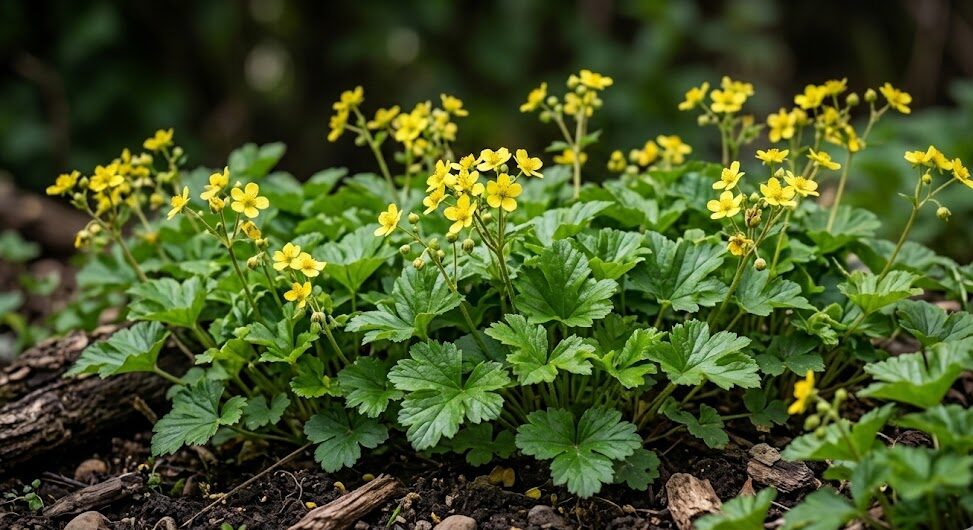

Preparing your groundcover for the challenges of the cold season is a vital step in ensuring its longevity and spring performance. You should view overwintering not as a period of neglect, but as a phase where the plant requires specific protections to survive freezing temperatures and drying winds. Although this species is remarkably hardy and stays green through much of the winter, extreme conditions can still cause damage if you are not prepared. By taking a proactive approach to winter care, you ensure that the plants emerge from their dormancy with strength and vitality.
Preparing for dormancy
As the days grow shorter and the temperatures begin to drop, the plant’s internal chemistry starts to change in preparation for the winter. You should help this process by gradually reducing the amount of supplemental fertilizer you apply in the late summer and early autumn. This prevents the production of soft, new growth that would be easily damaged by the first hard frosts of the season. Allowing the plant to naturally harden off is the most important cultural practice you can follow in the fall.
Cleaning up the garden bed before the first snow or heavy frost is essential for preventing rot and removing hiding spots for pests. You should clear away any fallen leaves from taller trees that might form a thick, wet mat over the evergreen foliage. While a thin layer of leaves can provide some insulation, a heavy accumulation will block light and trap excessive moisture, which can lead to fungal issues. A clean, tidy bed is much more likely to survive the winter without any significant loss of foliage.
Soil moisture should be monitored closely right up until the ground freezes solid for the winter. You should ensure the plants are well-hydrated, as the most common cause of winter damage in evergreens is actually dehydration rather than cold. When the ground is frozen, the roots cannot take up water to replace what is lost through the leaves on sunny or windy days. Providing a deep watering in the late autumn, especially if the season has been dry, will give the plants a vital reserve of moisture.
Boundary management should also be addressed in the fall to keep the garden looking neat through the dormant months. You should trim back any runners that have strayed into areas where they are not wanted, such as over the edges of stone paths or into lawn sections. This prevents the plants from being damaged by snow removal activities or winter foot traffic. Taking care of these small maintenance tasks in the autumn makes the spring cleanup much easier and more manageable.
More articles on this topic
Mulching strategies for cold protection
Mulch acts as an insulating blanket for the soil, protecting the roots and the crown from the extreme fluctuations of winter temperatures. You should apply a fresh layer of organic mulch, such as shredded bark, pine needles, or well-rotted compost, once the ground has cooled down. A layer of about two inches is usually sufficient to stabilize the soil temperature and prevent the destructive cycle of freezing and thawing. This “heaving” can sometimes push small plants out of the ground, exposing their roots to the freezing air.
The timing of mulch application is important to avoid trapping too much heat or moisture against the plant while the weather is still warm. You should wait until after the first light frost to apply your winter mulch, as this signals the plant to enter its dormant state. Be careful not to bury the green foliage completely, as the plant still needs to perform a minimal amount of photosynthesis during the winter. Tucking the mulch around the crowns while leaving the leaves mostly exposed is the most professional and effective method.
In regions with very cold, snowless winters, you can provide extra protection by using a “light mulch” like evergreen boughs or clean straw. You should place these materials over the plants to create a buffer against the drying winds and intense winter sun. This is especially helpful for younger plantings that haven’t yet established a dense, self-protecting canopy. These breathable covers allow for air circulation while still providing a significant amount of protection from the elements.
Mulch also serves the dual purpose of suppressing any early spring weeds that might try to get a head start before the groundcover wakes up. You should check the mulch layer periodically during the winter to ensure it hasn’t been washed away or disturbed by animals. If bare spots appear, simply add a little more material to maintain the protective barrier. A well-mulched bed is one of the best investments you can make for the long-term health of your perennial garden.
More articles on this topic
Moisture management in the cold
Desiccation, or winter drying, is a major threat to any plant that retains its leaves during the coldest months of the year. You should be aware that cold, dry winds can pull moisture out of the foliage at a rate that the frozen roots simply cannot match. If you live in an area prone to such winds, consider using a burlap screen or a temporary windbreak to protect the most exposed sections of your planting. This physical barrier can make a huge difference in the amount of leaf scorch you see in the spring.
Snow is actually a gardener’s best friend during the winter, as it provides a perfect insulating layer of moisture and protection. You should welcome a steady snow cover, as it keeps the ground temperature stable and protects the foliage from the harsh winter sun. However, avoid piling heavy, salted snow from driveways or sidewalks onto your garden beds, as the salt can be toxic to the plants. If a heavy, wet snow falls, you can gently brush it off if you are worried about the weight breaking any delicate stems.
In areas with mild winters where the ground doesn’t stay frozen, you should continue to check the soil moisture every few weeks. You should provide a light watering on a warm, calm day if the soil feels bone-dry and there hasn’t been any recent rain or snow. This is particularly important for plants growing under the eaves of houses or in other “rain shadows” where they might stay drier than the rest of the garden. A little bit of attention to hydration during the winter can prevent a lot of damage later on.
Ice can be more problematic than snow, especially if it forms a thick layer that prevents oxygen from reaching the plants. You should avoid walking on the garden beds when they are covered in ice, as the weight can crush the frozen plant tissues and cause lasting damage. If a thick layer of ice persists for a long time, there isn’t much you can do but wait for it to melt naturally. Fortunately, this species is very resilient and can usually survive short periods of ice cover without any major issues.
Spring transition and recovery
As the days begin to lengthen and the soil warms up, the plant will slowly start to emerge from its winter dormancy. You should resist the urge to remove the winter mulch too early, as late-season frosts can still damage the tender new growth. Wait until you see the first signs of active growth and the risk of severe freezing has passed before you start your spring cleanup. This gradual transition allows the plant to adapt to the changing environment without being shocked by a sudden exposure.
The first task in the spring is to assess the overall health of the planting and check for any winter damage. You should look for brown, dried-out leaves or sections that have been flattened by heavy snow or ice. Use a pair of sharp garden shears to carefully trim away any dead or damaged material to make room for the new growth. This cleaning process not only improves the look of the garden but also prevents pests and diseases from taking hold in the dead tissue.
Providing a gentle boost of nutrition in the early spring will help the plant recover from the winter and prepare for the flowering season. You should apply a light layer of fresh compost or a balanced organic fertilizer around the base of the plants as the ground thaws. This replenishment of the soil’s nutrient reserves gives the plants the energy they need to produce a lush, green carpet and bright yellow flowers. Avoid heavy applications of nitrogen, as you want to encourage strong, balanced growth rather than a rapid, weak flush.
Finally, take a moment to evaluate how your overwintering strategy worked and make notes for the following year. You should consider whether the mulch was sufficient or if certain areas needed more protection from the wind or sun. Gardening is a constant process of learning and adapting to the specific conditions of your own backyard. By refining your winter care routine each year, you ensure that your groundcover remains a resilient and beautiful part of your landscape for many years to come.