
Cold tolerance and winter resilience
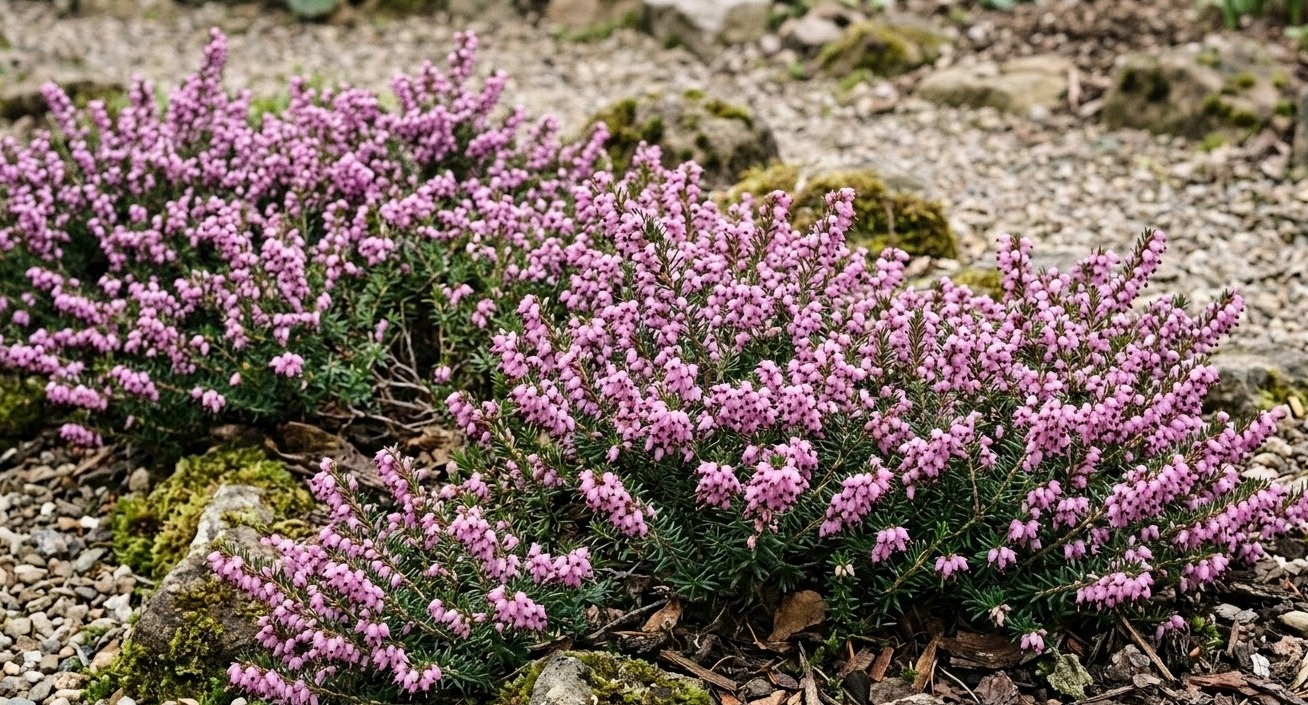
The alpine heath is renowned for its exceptional ability to withstand the harsh conditions of winter, often blooming while snow is still on the ground. This evergreen shrub is native to the mountainous regions of Europe, where it has evolved to thrive in cold and exposed environments. You will find that it is one of the most reliable plants for providing color and structure to the garden during the dormant season. Understanding the natural resilience of this species will help you provide the minimal support it needs to survive the coldest months.
While the plant is naturally hardy, its performance in your garden can be influenced by the specific microclimate of your planting site. You should be aware that extreme temperature fluctuations, such as a sudden freeze after a warm spell, can be more damaging than consistent cold. A plant that is well-established with a healthy root system will always have a better chance of weathering these changes. Your goal during the autumn should be to ensure the plant is as healthy as possible before the first frost arrives.
Snow cover can actually act as a beneficial insulator for the alpine heath, protecting it from the most extreme air temperatures and drying winds. You do not need to worry about the weight of the snow unless it is exceptionally heavy and threatens to break the branches. In most cases, the plant will simply bend under the snow and spring back once it melts, none the worse for the experience. If you live in an area with very little snow but high winds, you might need to provide some alternative form of protection.
One of the unique features of this plant is that its flowers are remarkably frost-resistant, allowing them to open even in sub-zero temperatures. You will see the small, bell-shaped blooms peeking through the frost, providing a vital source of nectar for early-emerging insects. This winter display is a testament to the plant’s specialized adaptations to its alpine heritage. By choosing the right varieties, you can ensure a beautiful garden scene throughout the entire winter season.
Protective mulching and root insulation
Applying a thick layer of organic mulch around the base of your plants is one of the most effective ways to prepare them for winter. You should use materials like shredded bark, pine needles, or well-rotted compost to create a barrier that insulates the soil. This layer helps to keep the soil temperature more stable and prevents the ground from freezing and thawing repeatedly, which can heave the plants out of the earth. A stable root environment is essential for the long-term health of any evergreen shrub.
More articles on this topic
The mulch also plays a crucial role in preserving soil moisture during the winter months when the air is often very dry. Since the alpine heath keeps its leaves all year, it continues to lose water through transpiration even when the weather is cold. If the ground is frozen solid, the roots cannot replace this lost moisture, leading to a condition known as winter desiccation. A good mulch layer can slow down the freezing of the soil and keep moisture available to the roots for a longer period.
When applying mulch, you must be careful not to pile it up against the main stems of the plant, as this can encourage rot. You should leave a small gap of a few centimeters around the base of the shrub to allow for proper air circulation. The ideal thickness for the mulch layer is about five to ten centimeters, depending on the severity of your local winter climate. This simple task is a low-cost and highly effective way to enhance the winter survival of your collection.
You can also use fallen leaves from nearby trees as a natural and free source of winter protection for your heath beds. Simply rake the leaves into the garden area and allow them to settle around the plants, where they will provide excellent insulation. In the spring, these leaves will begin to break down and contribute valuable organic matter to the soil. This approach mimics the natural processes found in the wild and supports a healthy, living soil ecosystem.
Hydration needs during the dormant season
Watering your plants during the winter is a task that many gardeners overlook, but it can be critical for the survival of evergreen species. You should monitor the moisture levels of the soil throughout the winter, especially during periods of dry weather or if there is no snow cover. If the soil feels dry to the touch, and the temperatures are above freezing, you should provide a light watering to the base of the plant. This helps to prevent the foliage from drying out and turning brown due to winter desiccation.
More articles on this topic
It is particularly important to ensure that your plants are well-watered in the late autumn before the ground freezes for the first time. A plant that goes into the winter with full moisture reserves will be much more resilient to the drying effects of cold winds and sun. You should aim for deep, thorough watering that reaches the entire root zone of the shrub. This final hydration session is one of the most important steps in your winter preparation routine.
If you are growing your alpine heath in containers on a patio or balcony, you must be even more diligent about winter watering. Pots can dry out much more quickly than the ground, and the roots are more exposed to the cold air surrounding the container. You should check your potted plants regularly and water them whenever the top few centimeters of soil feel dry. Be sure to choose a day when the temperatures are mild so the water has a chance to soak in before the pot freezes again.
During the winter, you should avoid getting water on the foliage of the plant, as this can lead to ice buildup or fungal issues. Focus your watering efforts solely on the soil surface at the base of the stems to provide the roots with direct access to moisture. This targeted approach is more efficient and safer for the health of the shrub during the cold months. Consistent attention to hydration will ensure that your heath remains vibrant and green until the spring arrives.
Special considerations for container-grown plants
Growing alpine heath in containers offers great flexibility for garden design, but it also presents unique challenges during the winter months. The root systems of potted plants are much more vulnerable to the cold because they are not insulated by the large mass of the earth. You should consider moving your containers to a more sheltered location, such as against a south-facing wall or under a covered porch. This simple move can provide a few degrees of extra warmth that might make the difference for a sensitive cultivar.
You can also provide additional insulation by wrapping your pots in burlap, bubble wrap, or specialized frost blankets. This helps to slow down the rate at which the soil freezes and protects the roots from the most extreme temperature fluctuations. Some gardeners even choose to sink their containers into the ground for the winter to take advantage of the natural insulation of the soil. Whatever method you choose, the goal is to prevent the root ball from freezing solid for extended periods.
Drainage remains a critical concern for container-grown plants even during the winter season. You must ensure that the drainage holes at the bottom of the pot remain clear of ice and debris so that excess water can escape. If the pot becomes waterlogged and then freezes, the expanding ice can crack the container and damage the roots of the plant. Elevating your pots on small feet or stones can help to maintain air circulation and drainage beneath the container.
In the early spring, as the temperatures begin to rise, you should gradually remove any protective coverings and move the pots back to their permanent locations. This transition should be done carefully to avoid shocking the plant with sudden changes in light or temperature. You will notice that the container-grown heaths often bloom slightly earlier than those in the ground due to the faster warming of the soil in the pots. Enjoying this early burst of color is one of the great rewards of growing these resilient shrubs in containers.