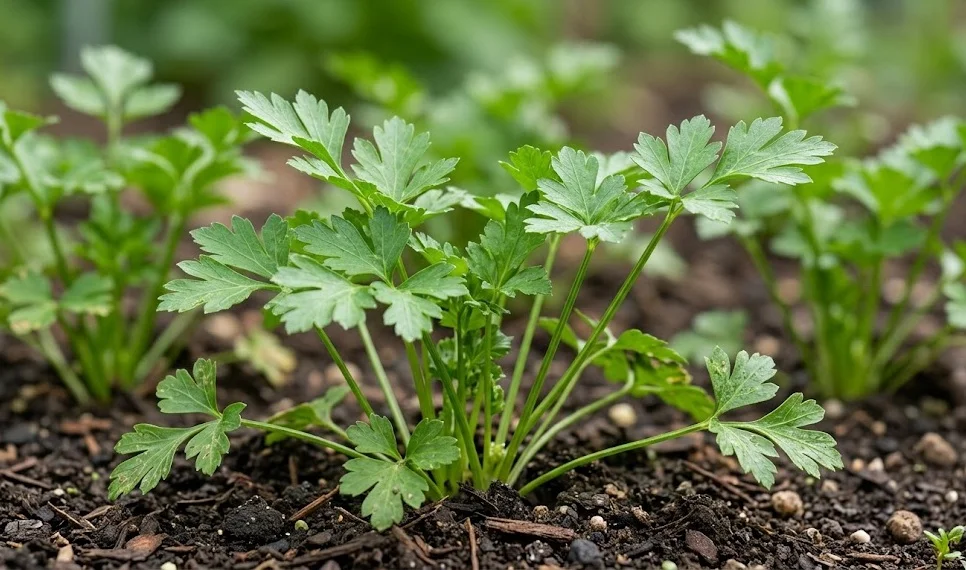

Overwintering leaf parsley is a rewarding practice that allows you to enjoy fresh herbs during the coldest months and gives the plant a head start for its second year. Although parsley is cold-hardy and can withstand light frosts, extreme winter conditions in many regions require specific protective measures. By understanding the plant’s physiological response to cold, you can implement strategies that preserve the root system and the foliage. Successful overwintering ensures that you have a continuous supply of greens until the plant eventually goes to seed in the spring.
Preparing the parsley for winter begins in late autumn by cleaning up the area around the base of the plants. You should remove any dead or decaying leaves that could harbor pests or pathogens during the dormant period. A thick layer of organic mulch, such as straw or shredded bark, should be applied around the roots to provide insulation against freezing and thawing cycles. This mulch acts as a thermal blanket, keeping the soil temperature more consistent and preventing the “heaving” that can expose sensitive roots to the air.
In areas with particularly harsh winters, using a cold frame or a row cover can provide the extra layer of protection needed to keep the foliage green. These structures trap the warmth from the ground and shield the plants from the desiccating effects of cold winter winds. You should ensure that these covers are ventilated on sunny days to prevent the temperature inside from rising too high, which could trigger premature growth. If a truly deep freeze is predicted, adding an extra layer of burlap or heavy fabric over the frame can provide temporary emergency insulation.
For those who prefer a more controlled environment, moving parsley into pots and bringing them indoors is a highly effective overwintering strategy. When transitioning the plants, it is important to dig up a large enough root ball to minimize damage to the taproot. Place the pots in a cool, bright location, such as a south-facing windowsill or an unheated sunroom, where they can receive adequate light. Indoor parsley will require less water than its outdoor counterparts, so be careful not to overwater, which can lead to fungal issues in the lower light conditions.
During the winter months, the growth rate of the parsley will slow down significantly as the plant enters a semi-dormant state. You should limit harvesting during this time to ensure the plant retains enough energy to survive until the spring. As the days begin to lengthen and temperatures rise, you will notice a flush of new growth emerging from the center of the plant. This is the signal to begin increasing your watering and feeding routine, helping the parsley transition smoothly back into its active growing phase for its final season.