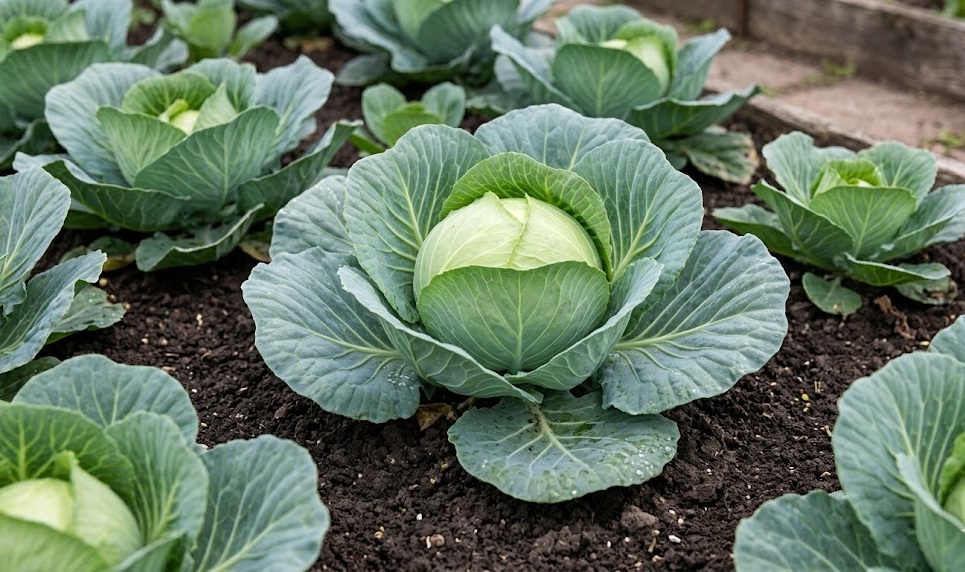

Overwintering head cabbage is a sophisticated technique that allows you to enjoy fresh, garden-grown vegetables even during the coldest months of the year. You must understand that not all cabbage varieties are suited for this process, as it requires a specific level of cold hardiness and structural integrity. By employing professional protection and storage methods, you can prevent the frost from damaging the delicate internal tissues of the heads. This practice extends your productivity and provides a vital source of nutrients when the rest of the garden is dormant.
Choosing cold-hardy varieties
The success of your overwintering efforts begins with selecting varieties that have been specifically bred for their ability to withstand freezing temperatures. You should look for “winter cabbage” or “late-season” labels when purchasing your seeds or transplants for the autumn garden. These types often have thicker, more waxy leaves that provide a natural layer of insulation against the biting cold winds. Professional growers prioritize these robust varieties to ensure that the heads remain crisp and sweet despite the harsh weather.
Savoy cabbage is particularly well-known for its extreme cold tolerance due to its crinkled and textured leaves. You will find that these varieties can often survive temperatures well below freezing without suffering significant damage to the quality of the head. The air pockets created by the ruffled leaves act as a natural thermal barrier, keeping the core of the plant slightly warmer than the surrounding air. An expert gardener uses these genetic traits to their advantage when planning a year-round vegetable production schedule.
Red cabbage varieties are also frequently used for overwintering because of their dense structure and high sugar content, which acts as a natural antifreeze. You should notice that the flavor of these cabbages often improves after a light frost, as the plant converts starches into sugars to protect its cells. This chemical change not only helps the plant survive but also results in a much sweeter and more complex taste for the kitchen. Understanding the physiology of cold resistance is a hallmark of a professional agriculturist working in temperate climates.
Testing different varieties in your own garden is the only way to know for sure which ones perform best in your specific local microclimate. You should keep notes on which plants recovered most quickly from deep freezes and which ones maintained their texture the longest. Over time, you will build a list of reliable winter performers that you can count on for a consistent late-harvest or early-spring crop. A professional approach to overwintering is built on experience and the careful selection of the right biological tools for the job.
More articles on this topic
Field protection and row covers
When the temperatures begin to drop significantly, providing physical protection for your cabbage in the field is essential for maintaining its quality. You should use heavy-duty floating row covers made of spun-bonded polyester to trap the ground heat around the plants. These covers can provide a few degrees of extra warmth, which is often enough to prevent the outer leaves from suffering from frostbite. Professional installation involves securing the edges firmly to the ground to prevent cold air from blowing underneath the fabric.
Low tunnels are another professional method for overwintering cabbage, offering a more robust barrier against snow and heavy rain. You can construct these using flexible hoops covered with clear plastic or specialized agricultural films that allow light to pass through while retaining heat. This creates a miniature greenhouse environment where the cabbage can continue to mature slowly even when the outside world is frozen. Monitoring the temperature inside these tunnels is important to ensure they do not overheat on sunny winter days.
Mulching around the base of the overwintering plants helps stabilize the soil temperature and protects the root system from the freeze-thaw cycle. You should apply a thick layer of straw or shredded leaves once the ground has cooled but before it freezes solid for the winter. This organic blanket prevents the soil from “heaving,” which can tear the delicate roots and expose them to the drying effects of the winter air. Expert gardeners know that protecting the roots is just as important as protecting the foliage when it comes to winter survival.
Snow can actually be a beneficial insulator for your cabbage if it is light and fluffy and covers the plants completely. You should be careful, however, as heavy, wet snow can weigh down the heads and cause the stalks to snap under the pressure. If you are expecting a heavy snowfall, it may be wise to provide some structural support or to gently shake the excess snow off the covers. A professional understands how to use the natural elements to their advantage while mitigating the risks that come with extreme winter weather.
More articles on this topic
Storage in root cellars and cold rooms
If the winter in your region is too severe for field overwintering, harvesting the heads and moving them to a controlled storage environment is the best option. You should choose a location that is cool, dark, and humid, such as a traditional root cellar or a specialized cold storage room. The ideal temperature for long-term cabbage storage is just above freezing, between zero and two degrees Celsius. Professional storage allows you to keep your harvest in excellent condition for several months after the growing season has ended.
When preparing cabbage for storage, you should remove the outermost damaged leaves but leave a few healthy wrapper leaves for protection. It is often beneficial to keep the root ball attached and bury it in moist sand within the storage area to keep the plant hydrated. This method mimics the plant’s natural state and helps prevent the head from wilting or losing its crispness over time. An expert knows that the key to successful storage is maintaining a high level of humidity to prevent moisture loss from the tissues.
Spacing the heads out so they do not touch each other is a professional technique used to prevent the spread of rot or mold during storage. You should ensure there is adequate air circulation around each cabbage to keep the surfaces dry and inhibit the growth of pathogens. Regularly inspecting your stored vegetables is essential so that you can quickly remove any heads that show signs of spoilage before they affect the others. A professional storage operation is characterized by cleanliness, organization, and constant monitoring of the environmental conditions.
The flavor and texture of stored cabbage will gradually change over time, so you should plan to use the heads in a specific order. Cabbages that were harvested earliest or those that have slightly less density should be consumed first, as they have a shorter shelf life. The most solid and late-maturing heads are the ones that will last the longest and provide fresh greens deep into the winter or early spring. Understanding the storage potential of different varieties is a vital part of professional post-harvest management.
Spring recovery and early harvest
As the days begin to lengthen and the soil warms up in the spring, your overwintered cabbage will begin to show signs of new growth. You should gradually remove the protective covers to allow the plants to acclimate to the increasing light levels and fluctuating spring temperatures. This transition period requires careful management to ensure the plants do not experience “sunscald” after being covered for several months. Professional timing ensures that the cabbage can take full advantage of the early season growth spurt without being damaged.
Early spring is the time to check the plants for any damage caused by the winter and to provide a light dose of fertilizer to kickstart their development. You will find that overwintered cabbage often produces a harvest much earlier than anything you could plant from seed in the spring. This “hungry gap” period is when fresh garden produce is most valuable and appreciated in the kitchen or at the market. An expert gardener plans for this early harvest to ensure a continuous supply of food throughout the entire year.
Be aware that some overwintered cabbages may attempt to bolt, or send up a flower stalk, as soon as the weather warms up in the spring. You should harvest these heads immediately if you see the center beginning to elongate or point upwards, as the flavor will quickly degrade. Bolting is the plant’s natural response to the stress of winter and the changing day length, and it signals the end of the vegetable’s productive life. Professional observation allows you to catch this moment and secure the harvest before the quality is lost.
Clean the garden beds thoroughly after the overwintered crop is finished to prepare for the next phase of the growing season. You should remove all old roots and debris to prevent pests and diseases from carrying over into your spring and summer plantings. The cycle of overwintering is a testament to the resilience of the cabbage plant and the skill of the professional who manages it. Your ability to work with the seasons in this way marks you as a true expert in the field of horticulture and agriculture.