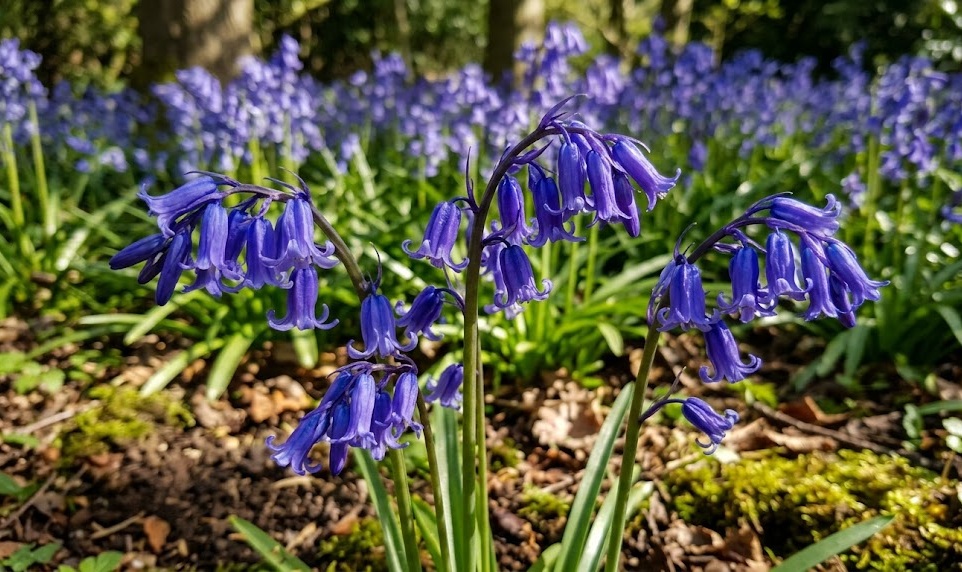

Overwintering English bluebells is a natural process that requires minimal human intervention, as these bulbs are perfectly adapted to the cold climates of Northern Europe. During the winter months, the bulbs undergo essential physiological changes that prepare them for the rapid growth of spring. However, certain garden conditions and extreme weather events can pose a risk to their survival. This article outlines the professional steps you can take to protect your bulbs and ensure they emerge with full strength once the ground thaws.
Understanding the cold requirement
The English bluebell is a hardy perennial that actually requires a period of cold temperatures to trigger its flowering cycle. This process, known as vernalization, ensures that the plant does not attempt to grow during a mid-winter thaw only to be killed by a subsequent freeze. Inside the bulb, biochemical signals are being reset during the darkest months of the year. Without this sustained cold, the bulbs may produce only leaves or fail to flower altogether the following spring.
While the bulbs are dormant, they are surprisingly active at a cellular level, developing the embryonic leaves and flowers for the coming season. They are well-protected by the surrounding soil, which acts as a thermal insulator against the harshest air temperatures. In most temperate gardens, no additional protection is needed for bulbs planted at the correct depth. Their evolution in the cool, damp woodlands of Britain has made them exceptionally resilient to frost and snow.
Soil temperature stability is more important than the absolute minimum temperature reached during the winter. Rapid fluctuations between freezing and thawing can cause the soil to “heave,” which may expose the bulbs or damage their delicate roots. A consistent, cold winter is actually better for the health of the colony than a mild, erratic one. Professional gardeners value this dormant period as a time of rest and preparation for the spectacular spring display.
If you live in a region with extremely severe winters (colder than Zone 4), you may need to take extra precautions. In these areas, the frost line can reach deep into the soil, potentially reaching the bulbs themselves. However, for the vast majority of gardeners, the natural cycle of the seasons is all the bluebells need to thrive. Trusting in the plant’s inherent hardiness is a hallmark of an experienced woodland gardener.
More articles on this topic
Protective mulching and soil care
Although bluebells are hardy, applying a protective layer of mulch in late autumn is a professional practice that offers several benefits. A 5-to-10-centimeter layer of organic material, such as leaf mold or composted bark, provides an extra layer of insulation. This mulch helps to keep the soil temperature stable and prevents the “heaving” mentioned earlier. It also protects the soil surface from the compacting effects of heavy winter rains.
The type of mulch used should ideally mimic the natural leaf litter found on a forest floor. Avoid using heavy, matted materials like grass clippings or uncomposted manure, which can trap too much moisture and cause rot. Leaf mold is the gold standard for bluebells, as it provides both insulation and a slow-release source of nutrients. As it breaks down over the winter, it improves the soil structure for the coming growing season.
Winter is also a time to ensure that the planting area is not disturbed by heavy foot traffic or garden projects. Compacted soil is a major threat to dormant bulbs, as it reduces the oxygen available to the roots and impairs drainage. Marking the boundaries of your bluebell drifts with small stakes or string will remind you where not to walk or dig. This simple step protects the integrity of the soil structure and the safety of the buried bulbs.
If your garden is prone to winter flooding, you should take steps to divert excess water away from the bluebell beds. While the bulbs like moisture in the spring, standing water in the winter can lead to fungal infections and bulb death. Creating small drainage channels or “swales” can help manage the runoff from heavy storms. Keeping the bulbs “damp but not drowned” is the professional goal during the wet winter months.
More articles on this topic
Managing container grown bluebells
Growing English bluebells in pots and containers requires a slightly different approach to overwintering. Because the bulbs are above ground, they are much more exposed to the cold and the drying effects of the wind. The soil in a pot can freeze solid much faster than the ground, which can damage even the hardiest of bulbs. Professional container gardening involves providing artificial insulation to mimic the protection of the earth.
One effective method is to wrap the pots in several layers of bubble wrap or horticultural fleece to trap heat. You can also group multiple pots together in a sheltered spot, such as against a south-facing wall, to share warmth. Some gardeners even “plunge” their pots into the ground or into a larger box filled with straw for the winter. This provides the thermal mass needed to keep the bulbs at a safe and stable temperature.
Watering container-grown bluebells during the winter is a delicate task that depends on the weather. If the soil is frozen, the roots cannot absorb water, so irrigation is useless and potentially harmful. However, during a long dry spell where the soil is not frozen, a very light watering may be needed to prevent the bulbs from desiccating. The goal is to keep the compost just barely moist to the touch.
In late winter, as the temperatures begin to rise, you should move the pots back into their spring positions. This is the time to remove any heavy winter wrapping so that the emerging shoots are not obstructed or overheated. Watching for the first signs of green in a container is a rewarding experience that signals the success of your overwintering efforts. With a little extra care, potted bluebells can be just as successful as those in the ground.
Preparing for the spring emergence
As winter begins to transition into spring, the focus of overwintering shifts toward preparing the site for the new growth. Clearing away any large fallen branches or thick piles of un-rotted leaves is important for giving the shoots a clear path. However, be careful not to remove the fine layer of decomposed mulch that you applied in the autumn. This layer will continue to provide nutrients and moisture retention as the plants grow.
Late winter is also the time to apply a very light “top-dressing” of organic fertilizer if your soil is particularly poor. A handful of bone meal or a sprinkle of seaweed meal can provide a gentle boost as the bulbs begin their rapid development. This should be done before the shoots are more than a few centimeters high to avoid damaging the delicate foliage. Professional timing ensures that the nutrients are available exactly when the plant needs them most.
Watching the local weather forecasts for “late-season” extreme cold snaps is a professional habit during this transition period. If a severe freeze is predicted after the bluebell shoots have already emerged, you may need to provide temporary cover. A light scattering of dry straw or a sheet of horticultural fleece can protect the tender green tissues from frost burn. This extra vigilance ensures that your spring display starts off in perfect condition.
Finally, take a moment in late winter to reflect on the success of your overwintering strategy and plan for the future. Did the mulch stay in place? Did the drainage work as expected? Keeping a garden journal of these winter observations will help you refine your techniques for the following year. Professional gardening is a continuous cycle of learning and adaptation to the unique rhythms of your landscape.