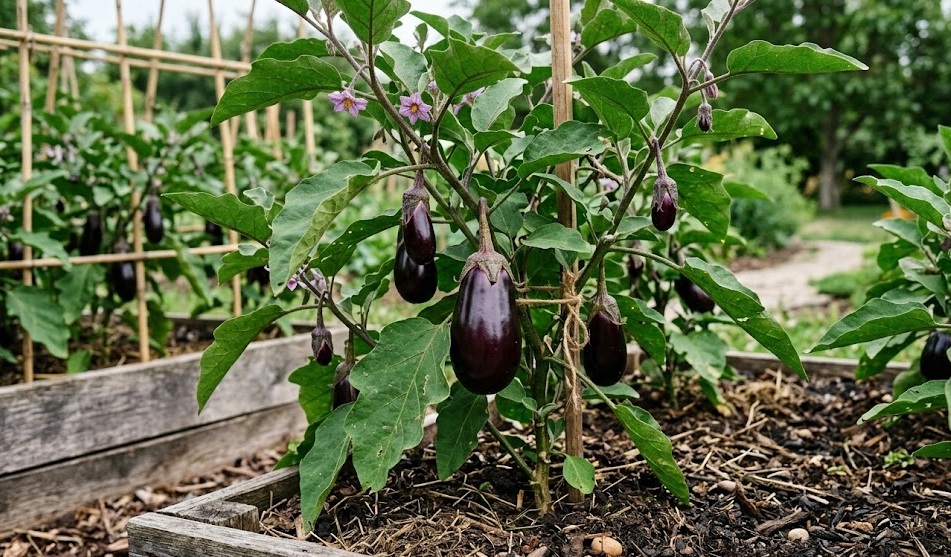

While eggplants are typically grown as annuals in temperate climates, they are biologically perennial shrubs that can live for several years if protected from freezing temperatures. Overwintering these plants allows you to get a significant head start on the following season, often resulting in much larger plants and earlier harvests. This process requires a shift in mindset, as you move from maximizing production to ensuring the survival of the plant’s core structures. By providing the right conditions indoors, you can preserve your favorite varieties and enjoy the rewards of a multi-year eggplant cultivation.
Preparing the plant for indoor transition
The process of overwintering begins in late summer or early autumn, well before the first threat of frost appears on the horizon. You must select the healthiest and most vigorous plants, as those already stressed by disease or pests are unlikely to survive the winter. Begin by gradually reducing the amount of fertilizer you provide to slow down the growth and help the plant prepare for a period of dormancy. This transitional phase is critical for hardening the stems and preparing the root system for the restricted environment of a container.
Before bringing any plant indoors, a significant pruning is necessary to reduce the demands on the root system and fit the plant into a manageable space. Cut the main stems back by about one-half to two-thirds, removing all remaining fruits, flowers, and soft, succulent new growth. This might seem drastic, but it allows the plant to focus its limited energy on maintaining its woody structure and internal reserves. It also makes it much easier to inspect the plant thoroughly for any hitchhiking pests that might cause problems once inside.
A thorough cleaning of the plant is the next essential step to prevent introducing aphids, spider mites, or whiteflies into your home. Use a gentle stream of water to wash both sides of every remaining leaf and the entire length of the stems. Some gardeners also use a mild soap solution or a light application of neem oil as an extra precaution against invisible eggs or larvae. This “quarantine” mindset is vital for protecting both your overwintering eggplant and any other houseplants you may have in the same vicinity.
If the eggplant is currently in the ground, you will need to carefully dig it up, keeping as much of the root ball intact as possible. Transplant it into a large container filled with fresh, sterile potting mix that offers excellent drainage to prevent root rot during the winter. If the plant is already in a container, you may want to refresh the top few centimeters of soil or move it into a slightly larger pot if it has become root-bound. Once potted, keep the plant in a shaded, protected outdoor spot for a few days to recover from the stress of transplanting before moving it indoors.
More articles on this topic
Optimal indoor conditions for survival
Once inside, the eggplant requires a cool but frost-free environment where it can remain in a state of semi-dormancy throughout the winter months. An unheated but attached garage, a bright basement, or a cool sunroom are often the best locations for this purpose. The ideal temperature range is between ten and fifteen degrees Celsius; if it is too warm, the plant may try to grow weakly, and if it is too cold, it may suffer tissue damage. Consistency is key, as sudden temperature swings can be very stressful for a plant in a dormant state.
Light is still a requirement for overwintering, though the plant needs much less than it does during the peak of the growing season. A bright, south-facing window may provide enough natural light, but in many northern climates, supplemental lighting is necessary. You don’t need the intense light required for fruit production; a simple fluorescent or LED shop light kept on for eight to ten hours a day is usually sufficient. This minimal light helps the plant maintain its basic metabolic functions without stimulating excessive or leggy new growth.
Air circulation is an often-overlooked factor that is critical for preventing fungal issues and keeping the plant healthy in an indoor setting. Stagnant air can lead to the buildup of moisture on the foliage, which is an invitation for mildew or botrytis to take hold. Using a small fan to keep the air moving gently around the plant can make a huge difference in its overall survival rate. Be careful not to point the fan directly at the plant, as this can cause the leaves to dry out too quickly and lead to unnecessary stress.
Humidity management is also important, as indoor heating systems often create extremely dry conditions that can be hard on the eggplant. Placing the pot on a tray filled with pebbles and water can help increase the local humidity as the water evaporates. You can also occasionally mist the plant with room-temperature water, but be sure to do this early in the day so the leaves can dry before nightfall. Maintaining a balance between “cool and moist” and “stagnant and wet” is the delicate art of successful overwintering.
More articles on this topic
Care and maintenance during dormancy
The most common mistake made during overwintering is overwatering, which can quickly lead to the death of the plant through root rot. Because the eggplant is not actively growing or producing fruit, its water needs are a fraction of what they were during the summer. You should only water when the top three to five centimeters of soil feel dry to the touch, and even then, only sparingly. The goal is to keep the roots from drying out completely without ever allowing the soil to become saturated or soggy.
Fertilization should be completely suspended during the winter months while the plant is in its dormant or semi-dormant state. Adding nutrients now would only encourage weak, spindly growth that the plant cannot support, potentially leading to long-term health issues. The internal reserves stored in the woody stems and roots are more than enough to sustain the eggplant until the return of spring. Think of this time as a “rest period” that allows the plant to rejuvenate its energy for the intensive growing season ahead.
Regular inspection remains a part of your maintenance routine, as pests can still appear even in a cool indoor environment. Keep a close eye out for the sticky honeydew of aphids or the fine webbing of spider mites, which can proliferate quickly in dry indoor air. If you spot any pests, treat them immediately with a gentle soap spray or by manually removing them with a damp cloth. Staying vigilant ensures that a minor pest problem doesn’t turn into a significant infestation while the plant is in a vulnerable state.
You may notice some leaf drop during the first few weeks indoors as the plant adjusts to the lower light and humidity levels. This is a natural response and should not be a cause for alarm as long as the main stems remain green and firm. If a stem turns brown or mushy, it should be pruned back to healthy wood immediately to prevent the spread of decay. Understanding the difference between natural acclimation and actual distress is a key skill for any gardener attempting to overwinter their crops.
Reintroducing the plant to the spring garden
As the days begin to lengthen and the temperatures rise in early spring, your overwintered eggplant will start to show signs of new life. You may see small green buds appearing along the stems or new leaves beginning to unfurl from the growing tips. This is the signal to gradually increase the amount of light and water you provide to wake the plant up from its dormancy. You can also begin to introduce a very weak liquid fertilizer to support this initial burst of spring growth.
The process of moving the plant back outside is very similar to the “hardening off” process used for young seedlings. Start by taking the pot outdoors for just an hour or two on a mild, overcast day, and slowly increase the exposure over two weeks. Be extremely cautious about late spring frosts, as the new growth is particularly tender and easily damaged by cold. If a frost is predicted, always bring the plant back indoors or provide significant protection until the danger has passed.
Once the soil has warmed up to at least eighteen degrees Celsius and the night temperatures are reliably stable, you can transplant the eggplant back into the garden. You will find that these multi-year plants often have a much thicker, woodier base and a more extensive root system than new seedlings. This structural advantage allows them to handle environmental stresses more effectively and produce a much earlier crop of fruit. Many gardeners find that second-year eggplants are significantly more productive than those grown as simple annuals.
After transplanting, give the plant a balanced fertilization and a thorough watering to settle it into its permanent home. You may need to provide some initial shade if the sun is particularly intense, as the plant adjusts to the full spectrum of outdoor UV light. With proper care, an overwintered eggplant can become a spectacular centerpiece of the garden, reaching impressive sizes and providing a bountiful harvest for several months. This sustainable approach to gardening not only saves money on seeds but also creates a deeper connection with the individual plants in your care.