
Preparing the dog’s tooth violet for the cold winter months is a critical part of its annual cycle, though the work mostly happens beneath the surface of the soil. As a hardy perennial specifically adapted to temperate climates, the ‘Pagoda’ variety is well-equipped to survive freezing temperatures if the conditions are right. You must ensure that the bulbs are nestled into a stable environment where they are protected from the most extreme fluctuations of winter weather. Successful overwintering is less about protecting the plant from the cold and more about managing the moisture and stability of the soil.
The process of overwintering actually begins in the late summer and autumn when the plant is completely dormant. You should ensure that the area where the bulbs are buried is clearly marked so that you do not accidentally disturb them during autumn garden cleanups. It is important to leave the surrounding soil undisturbed to preserve the natural structure and the insulation provided by the earth. While the plant is invisible above ground, the bulbs are busy developing the roots they will need to power their rapid growth in the spring.
One of the most effective ways to support the bulbs during the winter is by applying a generous layer of organic mulch in the late autumn. You can use materials like shredded leaves, bark chips, or well-rotted compost to create a protective blanket over the planting site. This mulch layer acts as an insulator, preventing the ground from freezing and thawing rapidly, which can sometimes “heave” the bulbs out of the soil. A consistent soil temperature is much safer for the bulbs than a cycle of extreme cold and sudden warmth.
In regions with particularly wet winters, you must be extra vigilant about the drainage of your garden beds. While the bulbs need to stay slightly moist, they should never be sitting in waterlogged soil during the cold months, as this is the primary cause of winter rot. You can improve the drainage by ensuring that nearby gutters are clear and that water does not pool in the area where the violets are planted. Good soil preparation earlier in the year pays off during the winter by keeping the bulbs safe from excessive moisture.
Protecting against winter frost
While the ‘Pagoda’ hybrid is remarkably cold-hardy, extreme or unseasonable frosts can still pose a challenge, especially in late winter as the ground begins to thaw. You should monitor the weather forecast for any deep freezes that occur after a period of unseasonable warmth, which might have tricked the bulbs into starting their growth. If you see the tips of the leaves beginning to poke through the soil, a light covering of straw or a specialized frost cloth can provide the extra protection they need. This temporary measure prevents the tender new growth from being damaged by ice crystals.
More articles on this topic
The phenomenon of “frost heaving” occurs when the moisture in the soil freezes and expands, physically pushing the bulbs toward the surface. You should check your garden beds periodically after a hard freeze to see if any bulbs have become exposed to the air. If you find a bulb that has been pushed up, you should gently press it back into the soil and add an extra layer of mulch over the top. Protecting the bulbs from direct exposure to the freezing air is essential for their survival and subsequent flowering.
In areas with very little snow cover, the soil can become much colder than in regions where a thick layer of snow provides natural insulation. You may need to provide a thicker layer of artificial mulch in these “dry-cold” environments to compensate for the lack of snow. Think of this mulch as a substitute for the natural leaf litter that would cover the forest floor in the wild. This simple step can make the difference between a thriving colony and one that struggles to recover in the spring.
Winter winds can also be a factor, as they can quickly dry out the upper layers of the soil even when the temperatures are low. You should ensure that your planting site is somewhat sheltered by larger shrubs or a garden fence to reduce the impact of these drying winds. Maintaining a stable, protected microclimate is always better for woodland species than exposure to the open elements. A well-placed windbreak can significantly improve the overwintering success of all your more delicate perennials.
Managing moisture and dormancy
During the middle of winter, the bulbs are in a state of deep dormancy, meaning their metabolic processes have slowed down to a minimum. You do not need to provide any supplemental water during this time unless you are experiencing an exceptionally dry winter with no precipitation at all. In most cases, the natural moisture in the soil is sufficient to keep the bulbs hydrated without causing the risk of decay. Over-watering during the winter is a common mistake that can lead to the loss of your entire collection.
More articles on this topic
If you are growing your dog’s tooth violets in containers, you must take extra precautions to protect the roots from freezing solid. Pots do not have the same insulating mass as the ground, and the temperatures inside can drop much lower than in a garden bed. You should move the containers to a sheltered spot, such as an unheated garage or a cold frame, or wrap them in bubble wrap or burlap. Keeping the pots off the freezing ground by placing them on “pot feet” can also help improve drainage and insulation.
As the winter progresses, you might be tempted to start “tidying up” the garden in anticipation of spring, but you should resist the urge to remove the mulch too early. The coldest temperatures often occur in late January or February, and the bulbs need their protective blanket until the threat of deep frost has passed. You should wait until you see the first signs of green growth before you consider thinning out the mulch layer. This patience ensures that the plants are not exposed to the elements prematurely.
In the late winter, as the days begin to lengthen, you can start to clear away any heavy debris that might have blown onto the planting site. However, you should leave the finer organic matter in place, as it will continue to feed the soil and protect the emerging shoots. This is the time to be very careful where you step, as the tender new growth is often just beneath the surface and easily damaged. A gentle, observational approach to late winter care is the best way to prepare for a successful spring.
Transitioning to spring growth
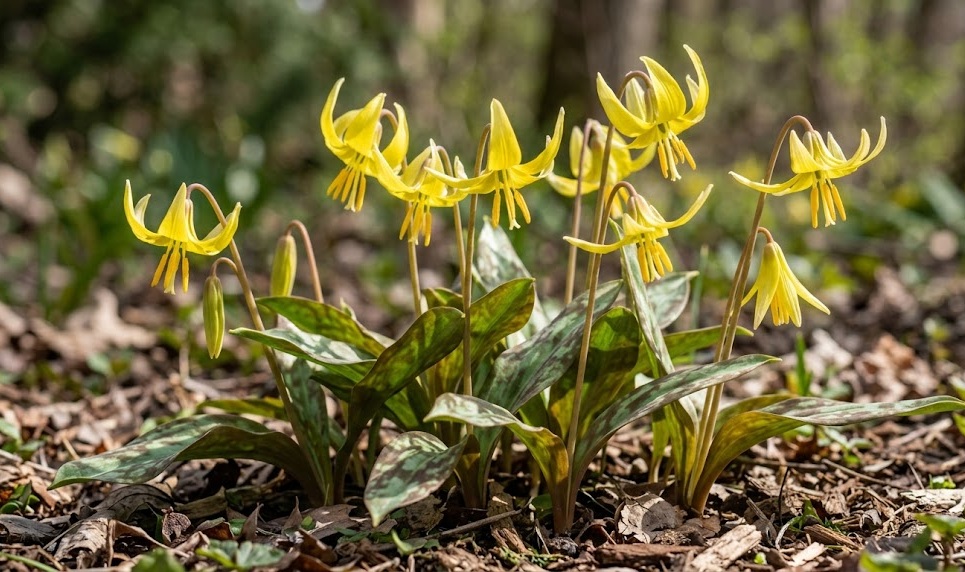
The transition from winter dormancy to spring growth is a gradual process that depends on both soil temperature and day length. You will notice that the ‘Pagoda’ variety is often one of the first things to stir in the woodland garden, sending up its mottled leaves as soon as the worst of the winter is over. This is the time to carefully pull back the heaviest mulch from the center of the plants to allow the shoots to emerge easily. Providing a clear path for the new growth ensures that the leaves and flowers can develop without being deformed.
If you have used frost cloths or other temporary covers, you should begin to remove them during the day to allow the plants to acclimate to the outdoor air. However, you may still need to replace them at night if the forecast predicts a late spring frost. This “hardening off” process helps the plant’s tissues to strengthen and become more resilient to the variable spring weather. It is a delicate time for the gardener, as you must balance the need for light and air with the continued need for protection.
Once the danger of a deep freeze has completely passed, you can incorporate some of the winter mulch into the surrounding soil as a light top-dressing. This provides a fresh surge of organic material just as the plant is entering its most active growth phase. You should also check the soil moisture levels, as the combination of warming air and active growth will increase the plant’s demand for water. The careful management you provided during the winter has now set the stage for a spectacular spring display.
Reflecting on the success of your overwintering strategy will help you make even better decisions for the following year. Did the mulch stay in place? Did any bulbs suffer from frost heaving or rot? By asking these questions and making small adjustments, you can perfect the art of caring for these beautiful woodland treasures. Every successful winter is a testament to your skill as a gardener and your commitment to the long-term health of your plants.