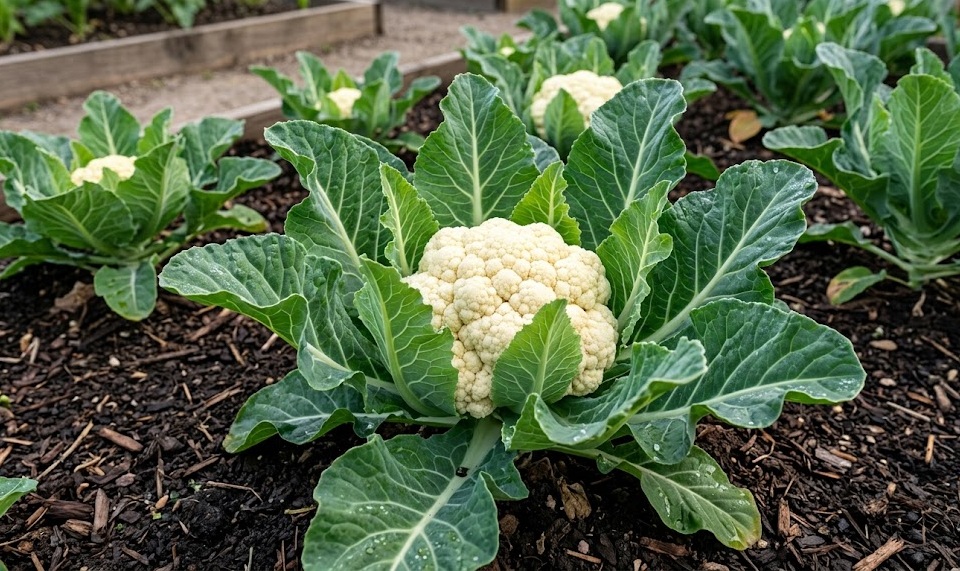

Not all cauliflower varieties are created equal when it comes to surviving the cold temperatures of winter. You must specifically seek out winter-hardy or “overwintering” types that are bred for their ability to withstand freezing conditions. These varieties typically grow slowly during the short days of winter and then produce heads in the early spring. Reading the technical data from reputable seed companies is the best way to identify these specialized cultivars.
The timing of your planting is critical for successful overwintering, as the plants need to reach a specific size before the first hard frost. If the plants are too small, they will not have enough stored energy to survive the winter months. Conversely, if they are too large, they may be more susceptible to cold damage and premature heading in the spring. You should aim to have your plants about six to eight inches tall with a robust root system before the onset of extreme cold.
In many regions, purple or colored cauliflower varieties tend to be slightly more cold-tolerant than the traditional white ones. These varieties often have a more vigorous growth habit and can provide a welcome splash of color to the winter landscape. However, even these hardier types will still require some level of protection if temperatures drop significantly below freezing. Understanding the limitations of your chosen variety is key to managing your expectations for the spring harvest.
Professional growers often experiment with several different overwintering varieties to see which ones perform best in their specific microclimate. Local weather patterns, soil types, and the level of shelter available can all influence the success of a winter crop. By testing a few different types each year, you can build a reliable system for producing fresh vegetables during the off-season. This trial-and-error approach is a standard part of professional agricultural development and improvement.
Physical protection methods
Floating row covers are a simple and effective way to provide several degrees of frost protection for your cauliflower. These lightweight fabrics allow light and moisture to pass through while trapping the heat from the soil near the plants. You can use multiple layers for extra protection during extreme cold snaps, but be sure to secure them firmly against the wind. This physical barrier also helps protect the plants from hungry winter wildlife like rabbits and deer.
More articles on this topic
Low tunnels made from PVC or metal hoops covered in plastic are another professional-grade option for overwintering crops. These structures create a mini-greenhouse environment that is significantly warmer and more stable than the open air. You will need to vent the tunnels on sunny days to prevent the temperature from rising too high, which can stress the plants. This method requires more labor and investment but offers the highest level of protection for your winter harvest.
Mulching the base of the plants with a thick layer of straw or hay can help insulate the roots and prevent the soil from freezing. This is especially important for protecting the delicate crown of the plant where new growth emerges in the spring. You should apply the mulch after the first light frost has occurred but before the ground freezes solid. A good mulch layer also helps maintain consistent soil moisture during the dry, windy days of winter.
In areas with very severe winters, you might consider moving your cauliflower into a cold frame or an unheated greenhouse. These permanent structures provide the ultimate protection from wind, snow, and extreme temperature fluctuations. While the space inside is limited, it is often enough to provide a high-quality harvest for a professional kitchen or a dedicated home cook. Mastering these protection techniques allows you to push the boundaries of your growing season and achieve year-round production.
Monitoring and maintenance during winter
Winter maintenance is largely about monitoring environmental conditions and ensuring that the plants are not under undue stress. You should check your protection structures after every major storm to make sure they are still intact and secure. Snow can be a great insulator, but heavy accumulations can collapse tunnels or crush the plants underneath. Clearing excess snow from the tops of your covers is a necessary task during a particularly snowy winter.
More articles on this topic
Watering is still necessary during the winter, although much less frequently than during the heat of the summer. You should check the soil moisture levels periodically, especially during long periods without rain or snow. Cold, dry winds can rapidly dehydrate the soil and the plants, leading to winter desiccation. Aim to water on a relatively warm morning so that the moisture has time to soak in before the temperatures drop again at night.
Pests and diseases are less active in the winter, but you should still keep a watchful eye for any signs of trouble. Some species of aphids can survive in sheltered spots, and certain fungal pathogens thrive in the humid environment under row covers. If you notice any issues, address them immediately with appropriate organic controls or by increasing ventilation. A proactive approach is essential for keeping your overwintering crop healthy and productive until the spring.
As the days begin to lengthen in late winter, you will notice a surge in growth as the plants react to the increasing light. This is the time to begin gradually removing your protection and providing a light application of balanced fertilizer. This nutrient boost will help the plants transition into the final phase of curd production. Proper timing during this transition is the final key to a successful overwintering experience.
Transitioning to the spring harvest
The spring harvest of overwintered cauliflower is often one of the highlights of the gardening year. These heads are frequently sweeter and more tender than those grown in the heat of the summer or autumn. You should harvest them as soon as they reach a usable size and the curds are still tight and compact. Because the plants are already established, the harvest window often comes much earlier than for spring-planted crops.
Once the main head is harvested, you should consider leaving the plant in the ground for a few more weeks. Many overwintered varieties will produce small side shoots or “mini-cauliflowers” that can be used in salads or stir-fries. While not as impressive as the main curd, these secondary harvests provide additional value from the same plant. This practice is a great way to maximize the productivity of your winter growing space.
After the harvest is complete, it is important to clear the area and prepare the soil for your summer crops. You should remove all plant remains and add them to your compost pile to keep the garden clean and organized. This is also a good time to reflect on what worked well and what could be improved for next winter. Professional growers are always analyzing their results to make their operations more efficient and successful.
Overwintering cauliflower is a challenging but deeply rewarding agricultural skill that sets you apart as an expert grower. It requires a combination of careful planning, physical labor, and a deep understanding of plant biology. By mastering this process, you can provide fresh, high-quality vegetables for your family or your customers throughout the entire year. The satisfaction of harvesting a beautiful white cauliflower in the early spring is well worth the effort.