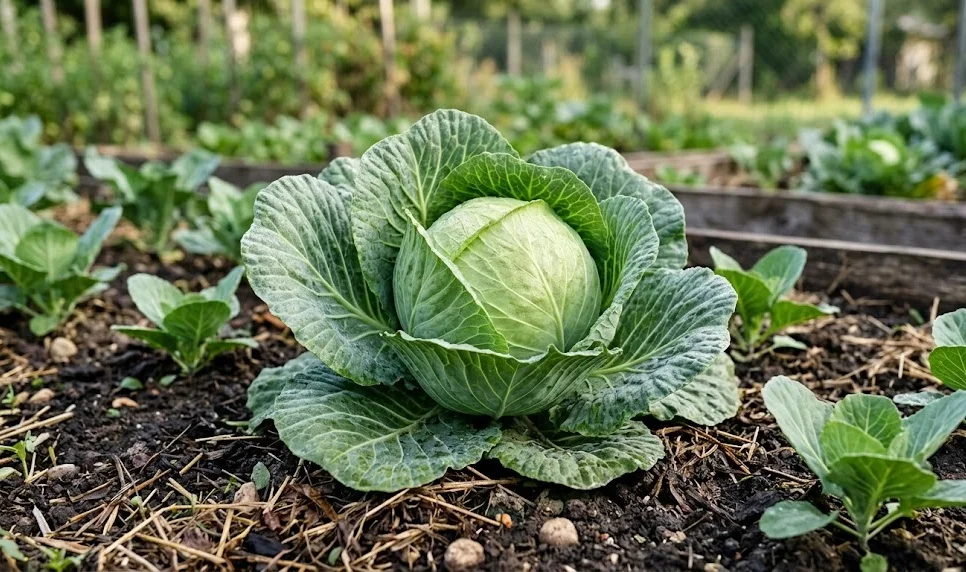

Overwintering cabbage is a specialized technique that allows you to harvest fresh greens during the coldest months of the year or prepare biennial plants for seed production in the following spring. You must select varieties that are specifically bred for cold tolerance, as the standard summer types will not survive the repeated freezing and thawing cycles of a harsh winter. These “winter-hardy” cultivars often have thicker, more crinkled leaves and a higher sugar content, which acts as a natural antifreeze within their cells. Successful overwintering begins with this critical selection process and a well-timed planting schedule in the late summer or early autumn.
To ensure the survival of your cabbage through the winter, the timing of your planting is essential so that the plants reach a specific size before the first hard frost. You should aim for the cabbage to be about half-matured, with a well-developed root system but without a fully dense head, which is more susceptible to freeze damage. If the plants are too small, they may not have enough energy reserves to survive the dormant period, while plants that are too large can be physically damaged by the weight of snow. This balance is a professional skill that requires a deep understanding of your local climate and the growth rate of your chosen varieties.
Site selection for your overwintering beds should prioritize areas with excellent drainage and protection from the harshest winter winds. You should avoid low-lying spots where cold air and water can collect, as “wet feet” in the winter is one of the most common causes of plant death. A south-facing slope or a position against a dark-colored wall can provide a slightly warmer microclimate that gives your cabbage an extra edge against the cold. By choosing the most favorable location, you minimize the environmental stress on your plants and increase their chances of a successful spring recovery.
As the temperatures begin to drop, you must monitor the health of your plants closely and remove any diseased or damaged leaves before the snow arrives. These weakened tissues can become entry points for rot during the damp winter months, potentially compromising the entire plant. You will notice that the plants naturally slow their growth as the days shorten, entering a state of semi-dormancy where they focus on survival rather than expansion. Preparing your cabbage for this quiet period is the final task of the autumn gardening season and sets the stage for a winter of resilience.
Providing effective physical protection
While winter cabbage is hardy, providing an additional layer of physical protection can significantly improve the quality and survival rate of your crop. You should consider using a heavy-duty row cover or a “low tunnel” made of plastic sheeting to create a barrier against the wind and heavy snow loads. These structures trap a small amount of heat from the earth, keeping the air around the plants several degrees warmer than the ambient temperature. It is a professional standard to have these protections ready to be deployed before the first major winter storm hits your area.
More articles on this topic
For those in extremely cold climates, a thick layer of straw or evergreen boughs placed around the base of the plants can act as a high-quality thermal insulator. You should avoid covering the leaves completely with heavy mulch, as they still need access to some light and air to prevent fungal issues during mid-winter thaws. This localized insulation protects the main crown and the root system, which are the most vital parts for the plant’s survival and future growth. By focusing your protection on these key areas, you maximize the effectiveness of your winter management strategy with minimal effort.
Snow itself can actually be a very effective insulator, provided it is light and fluffy and does not crush the plants under its weight. You might find that cabbage buried under a steady blanket of snow remains in better condition than those exposed to the biting winds and fluctuating temperatures of a dry winter. However, you must be careful when clearing paths or shoveling, as compacting the snow around the plants can drive the frost deeper into the ground. A professional gardener works with the natural elements, using the snow as a tool while remaining aware of its potential to cause physical damage.
Ventilation remains important even in the winter, especially during sunny days when the temperature inside a plastic tunnel can rise rapidly. You should lift the edges of your covers during these warm spells to allow fresh air to circulate and prevent the build-up of excess humidity. This prevents the “greenhouse effect” from trickling your plants into breaking dormancy too early, which would leave them vulnerable to the next cold snap. Maintaining this careful balance between protection and ventilation is the hallmark of an expert who understands the nuances of winter horticulture.
Managing water and nutrients in winter
Watering during the winter is a task that is often overlooked, but it is essential for preventing the plants from dehydrating during dry, windy periods. You should check the soil moisture during any mid-winter thaws and provide a light watering if the ground feels unusually dry and dusty. It is important to do this early in the day so that the moisture has time to soak in before the ground refreezes at night. This attention to hydration ensures that the plant cells remain turgid and better able to resist the physical stress of the cold.
More articles on this topic
Fertilization should be avoided entirely during the winter months, as you do not want to encourage new growth that would be instantly killed by the frost. The goal of winter management is maintenance and survival, not expansion or production, so any nutrient applications should wait until the soil warms up in the spring. You can, however, apply a thin layer of compost to the surface of the soil in the late winter to be ready for the first spring rains to carry the nutrients down. This forward-thinking approach ensures that the cabbage has everything it needs as soon as it begins to wake up from its dormancy.
Soil health remains a priority, and you should avoid walking on the frozen beds, as this can cause severe compaction that will hinder root growth in the spring. Staying on designated paths preserves the soil structure and ensures that the delicate fungal networks remain intact throughout the winter. You will notice that undisturbed soil remains “lofty” and easier to work with once the growing season resumes in earnest. Professional garden management is a year-round commitment that involves knowing when to take action and when to leave the environment alone to do its work.
As the days begin to lengthen in the late winter, you should watch for the first signs of new growth in the center of the cabbage plants. This is the signal to slowly increase your attention and begin preparing for the transition back into the active growing season. You might notice the color of the leaves becoming more vibrant as the plant’s metabolism begins to speed up in response to the increasing light. This transition period is an exciting time for any gardener, marking the successful conclusion of the overwintering process and the beginning of a new year.
Harvesting and spring recovery
One of the greatest rewards of overwintering cabbage is the ability to harvest fresh, sweet leaves in the late winter or very early spring when little else is growing. You will find that these cold-touched leaves are often much sweeter than summer cabbage, as the plant has converted its starches into sugars to survive the frost. You can harvest individual outer leaves as needed, or wait for the central head to firm up as the weather warms. This “extended harvest” provides a valuable source of nutrition and flavor during the traditional “hungry gap” of the gardening year.
If you are growing cabbage for seed production, you must be careful not to harvest the main crown, as this is where the flower stalk will emerge in the spring. You should provide a light application of a balanced organic fertilizer as the soil warms to support the rapid growth of the flowering stem. Watching the yellow blossoms emerge is a beautiful sight and a testament to the resilience of the plant that you have successfully guided through the winter. This successful biennial cycle is a professional achievement that connects you deeply to the natural rhythms of life in the garden.
For those focusing on food production, the spring recovery is the time to remove any winter protection and allow the plants to take full advantage of the returning sun. You should clear away any remaining mulch that might be keeping the soil too cool and allow the earth to warm up quickly. A thorough weeding at this stage prevents competition and ensures that the recovering cabbage has all the space it needs to finish its development. Your professional care during the winter has ensured that you have a significant head start on the new growing season.
Finally, take the time to evaluate the performance of different varieties and the effectiveness of your protection methods after the winter is over. Some types may have survived better than others, and your notes will be invaluable for planning your overwintering strategy for the following year. A professional gardener is always refining their approach based on the direct evidence from their own garden, leading to ever-improving results over time. Overwintering is a challenging but deeply rewarding aspect of horticulture that demonstrates your commitment to year-round production and sustainability.