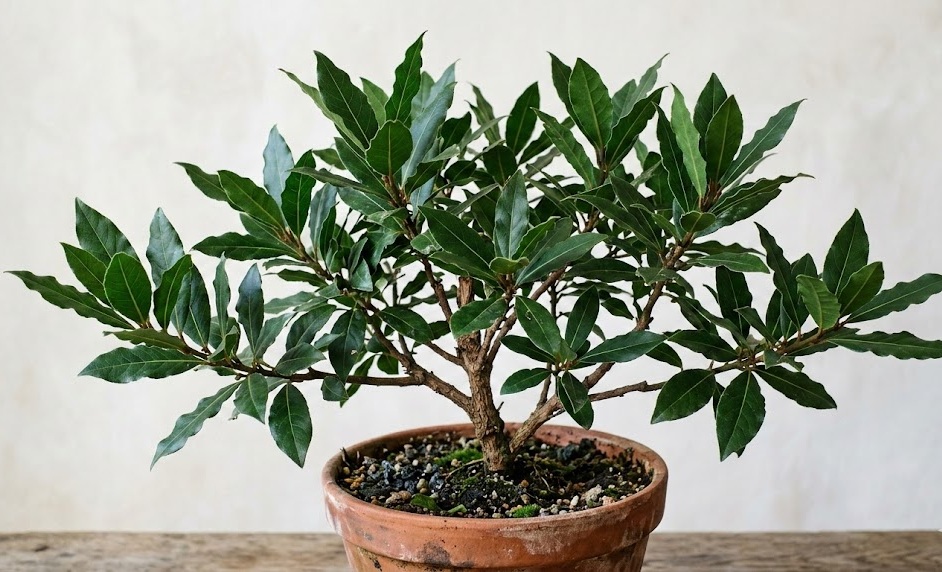

Preparing your bay laurel for the winter months is a critical task that ensures its survival and health for the coming spring. As a Mediterranean native, this evergreen shrub is adapted to mild winters and can be sensitive to prolonged freezing temperatures. The strategy you choose for overwintering will depend largely on your local climate and whether the plant is in the ground or a pot. Taking the time to provide adequate protection is an investment in the longevity and beauty of your laurel tree.
The first step in a successful overwintering plan is to monitor the weather forecasts closely as autumn draws to a close. While bay laurel can tolerate light frosts, temperatures that drop below minus five degrees Celsius for several days can cause serious damage. You should have your protective materials, such as horticultural fleece or burlap, ready to use at a moment’s notice. Early preparation prevents a sudden cold snap from catching you and your plants off guard.
If your laurel is planted directly in the garden, you must focus on protecting both the root system and the delicate evergreen foliage. A thick layer of organic mulch around the base of the plant acts as insulation, keeping the ground from freezing too deeply. For the upper part of the shrub, a wrap of breathable fabric can provide a vital shield against the drying effects of cold winter winds. These simple physical barriers can make the difference between a thriving plant and one that suffers significant dieback.
Container-grown laurels offer the most flexibility because they can be moved to a more protected environment for the duration of the winter. Ideally, they should be placed in a cool but frost-free location, such as a bright garage, a porch, or a cold greenhouse. Avoid bringing them into a heated living room, as the dry air and high temperatures can stress the plant unnecessarily. The goal is to keep the laurel in a state of quiet dormancy until the outdoor conditions improve.
Temperature thresholds and risk
Understanding the specific temperature limits of the bay laurel is essential for making informed decisions about its winter care. Generally, an established, mature plant in the ground is more hardy than a young specimen or one that is growing in a container. In many temperate regions, a laurel can survive outdoors all year if it is positioned in a sheltered microclimate. However, the risk of damage increases significantly when the mercury stays below freezing for an extended period of time.
More articles on this topic
Container roots are much more exposed to the cold than those protected by the thermal mass of the earth in a garden. In a pot, the temperature of the soil can fluctuate rapidly, which can lead to the freezing and thawing of the sensitive root hairs. If you must leave a potted laurel outside, wrap the container itself in bubble wrap or straw to provide some extra insulation. Placing the pot on “feet” or bricks can also help by preventing it from sitting on the frozen ground.
Cold winds are often more damaging to the bay laurel than the actual temperature itself because they cause rapid moisture loss. Because the plant is evergreen, it continues to lose water through its leaves even during the winter months when the ground might be frozen. If the roots cannot take up water to replace this loss, the leaves will turn brown and the plant will suffer from “winter burn.” Providing a windbreak is therefore just as important as providing warmth during the coldest parts of the year.
If you notice that the leaves of your laurel are turning black after a cold spell, it is a clear sign of frost damage to the plant tissues. Do not be tempted to prune away this damaged foliage immediately, as it can provide a small amount of protection for the healthy parts underneath. Wait until the danger of frost has passed in the spring before you begin to clean up and reshape the shrub. This patient approach allows the plant to focus its energy on recovery when the growing season finally returns.
Preparing for the transition indoors
When the time comes to move your bay laurel indoors, it is important to do so gradually to avoid shocking the plant. Moving a laurel directly from a cold garden to a warm, dry room can cause it to drop its leaves in a matter of days. Try to move it first to a transitional space, like a shed or an unheated hallway, for a week or two before its final winter home. This slow acclimatization allows the plant’s metabolism to adjust to the change in light and temperature.
More articles on this topic
Before bringing the plant inside, give it a thorough inspection for any hitchhiking pests that might want to spend the winter with you. Scale insects and aphids can quickly multiply in the stable environment of a home or a greenhouse where their natural predators are absent. Wipe down the leaves and stems with a damp cloth to remove any dust, debris, or hidden eggs that might be present. Starting the winter with a clean plant significantly reduces the risk of an indoor infestation later in the season.
The choice of location indoors should prioritize light and air circulation while avoiding direct sources of dry heat. A south-facing window in a cool room is often the best spot for a bay laurel that is spending the winter inside. Keep the plant away from radiators, fireplaces, or air vents, as these can rapidly dehydrate the foliage and the soil. If the air in your home is particularly dry, using a humidifier or a gravel tray with water can help keep the plant comfortable.
Watering requirements change dramatically when a plant is moved indoors and its growth rate slows down to a crawl. You should only water when the top few centimeters of the soil feel dry to the touch, and even then, do so sparingly. Overwatering is the most common cause of death for indoor overwintered plants because the roots are much more prone to rot in the lower light. Never allow the pot to sit in a saucer of standing water for more than a few minutes.
Light and humidity in winter
Light is often the most limiting factor for a bay laurel during the winter, especially when it is kept indoors or in a garage. The plant still needs to photosynthesize to maintain its basic functions, so providing the brightest spot possible is essential for its health. If natural light is lacking, you can supplement it with a simple LED grow light set on a timer for eight to ten hours a day. This extra light will help the laurel retain its leaves and stay vibrant until it can return to the garden.
Humidity is another challenge, as the thick leaves of the laurel prefer a more humid environment than most modern homes provide. If you notice the tips of the leaves turning brown and crispy, it is a sign that the air is too dry for the plant. Regularly misting the foliage with soft water can provide a temporary boost to the local humidity around the shrub. Grouping several plants together can also create a slightly more humid microclimate through their collective transpiration.
Air movement is important even in the winter to prevent the buildup of fungal spores and to keep the plant’s stems strong. If the laurel is in a greenhouse or a closed room, try to open a window or a door for a few minutes on milder days. Stagnant air is a breeding ground for mold and can lead to a general decline in the plant’s vigor over time. A small fan can also be used to keep the air gently circulating if natural ventilation is not an option for you.
Avoid feeding your bay laurel during the winter months, as adding nutrients now can stimulate weak, leggy growth that the plant cannot support. The laurel needs this time to rest and consolidate its energy for the upcoming spring burst of activity. Any fertilizer added to the soil will not be used and can lead to a toxic buildup of salts that damages the roots. Trust in the plant’s natural cycle and wait for the return of the sun before reintroducing any form of nutrition.
Transitioning back to the spring garden
As the days begin to lengthen and the threat of hard frost diminishes, you can start thinking about moving your laurel back outside. This transition is just as important as the one in the autumn and should be handled with the same level of professional care. Start by moving the plant back to your transitional space or a sheltered spot in the garden during the daytime. Bring it back inside at night if the temperature is still expected to drop near the freezing point.
This process of “hardening off” usually takes about two weeks and allows the plant to rebuild its tolerance to wind and direct sunlight. The leaves that have grown indoors are much more delicate and can easily be scorched by the intense UV rays of the spring sun. By gradually increasing the exposure, you ensure that the plant remains healthy and avoids the stress of a sudden environmental change. Monitor the plant closely during this time and be prepared to provide protection if a late frost is forecast.
Once the laurel is permanently back in its outdoor spot, you can begin to resume your regular care routine for the growing season. Start with a thorough cleaning of the leaves to remove any winter dust and to check for any pests that might have emerged. You can also perform a light pruning to remove any winter-damaged tips and to encourage a more bushy growth habit. This is the perfect time to apply your first dose of balanced fertilizer for the year to support new development.
Check the root system if the laurel has been in the same pot for several years, as spring is the ideal time for repotting if necessary. A fresh supply of nutrient-rich potting mix will give the plant a significant boost as it enters its most active phase of the year. If the plant is in the ground, refresh the mulch layer to help suppress weeds and retain the moisture from the spring rains. With these steps, your bay laurel will be well-prepared to flourish and provide beauty for another wonderful season.