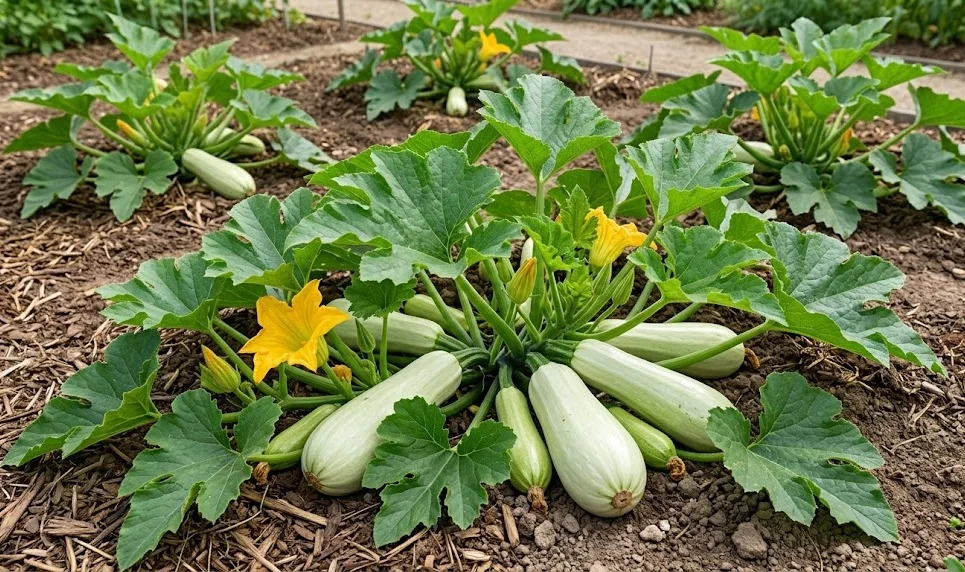

Understanding and managing the light requirements of vegetable marrow is a fundamental aspect of ensuring vigorous growth and a high-quality harvest. As a crop that originated in warmer, sun-drenched climates, these plants have a high biological demand for solar energy to drive their rapid development and fruit production. Inadequate light can lead to a host of problems, from spindly vines and poor flowering to an increased susceptibility to various diseases. This article explores the professional considerations for optimizing light exposure in your garden to maximize the potential of your vegetable marrow plants.
Photosynthesis and productivity
The primary reason vegetable marrows require so much light is to support the intense process of photosynthesis needed to fuel their large leaves and heavy fruits. You should recognize that the leaves act as solar panels, converting sunlight into the sugars and carbohydrates that the plant uses for all its biological functions. Without at least six to eight hours of direct, unobstructed sunlight each day, the plant will struggle to produce enough energy to sustain its expansive growth. Higher light intensity generally correlates with a faster growth rate and more robust overall plant health.
Light also plays a critical role in the timing and success of the flowering process, which is the precursor to any harvest. You will find that marrow plants grown in full sun produce more flowers and have a better ratio of male to female blooms than those grown in partial shade. Furthermore, the activity of pollinators is also influenced by light and temperature, with bees being much more active in bright, sunny conditions. Ensuring your plants receive optimal light exposure is therefore a key factor in maximizing both the quantity and quality of your fruit set.
When light levels are insufficient, the marrow plant will often exhibit “etiolation,” where the stems become long, thin, and pale as they stretch toward any available light source. These weakened stems are much more prone to physical damage from wind or heavy rain and are less effective at transporting water and nutrients. You might also notice that the leaves are smaller and less vibrant in color, indicating a lower concentration of chlorophyll and a reduced capacity for energy production. Maintaining a professional standard of light management is the best way to prevent these structural and physiological issues.
More articles on this topic
Monitoring the light patterns in your garden throughout the entire day is an essential task for any serious gardener. You should pay attention to how shadows from buildings, trees, or other structures shift as the sun moves across the sky and how this changes between spring and midsummer. This observational data will help you choose the very best location for your marrow patch where the plants can soak up the maximum amount of energy. Understanding the dynamic nature of light in your specific landscape is a mark of an experienced and attentive grower.
Site selection for optimal sunlight
The choice of where to plant your vegetable marrows is perhaps the most important decision you will make regarding their light requirements. You should look for a south-facing location that is completely open to the sky and free from the shade cast by nearby trees or tall structures. If you are gardening on a slope, a southern exposure will catch more direct rays and warm up earlier in the spring, giving your plants a helpful head start. Avoid low-lying areas that might stay in the shadow of hills or fences for large portions of the day.
When planning your garden layout, you must also consider the potential for “self-shading” as the marrow vines grow and expand across the ground. You should provide enough space between plants so that the large leaves of one plant do not overlap and shade the growing points of its neighbors. This is particularly important for the developing fruit, which benefits from some direct light and warmth to ripen properly and develop a tough skin. A well-organized and spaced garden maximizes the efficiency of the available sunlight for every individual plant.
More articles on this topic
If you are working with a site that has limited sun, you might need to get creative with your planting strategies to make the most of what you have. You could use reflective mulches or even strategically placed mirrors to bounce extra light into the darker corners of your garden beds. Alternatively, consider growing your marrows in large containers that can be moved throughout the day to follow the path of the sun. While these methods require more effort, they can make the difference between a mediocre harvest and a successful one in challenging locations.
Remember that light requirements can also be influenced by the climate of your specific region and the time of year. In very hot, intense climates, a small amount of light afternoon shade might actually be beneficial for preventing heat stress and leaf scorch. However, in cooler or more temperate areas, every minute of sunlight is precious and should be captured by the plants to ensure they have enough warmth and energy. Tailoring your light management to your local environment is a professional approach that leads to more consistent and predictable results.
Managing shade and competition
Competition for light from weeds and neighboring plants can significantly impact the health of your vegetable marrows if not managed correctly. You should keep the area around your marrows clear of tall weeds that might grow above the vines and cast shadows on the important lower leaves. Mulching is an excellent way to prevent these competitors from ever getting a foothold in your garden while also providing other benefits like moisture retention. A clean, well-maintained marrow patch ensures that all the available solar energy goes directly into your crop.
If you are growing marrows near other tall crops like corn or pole beans, you must be careful not to place them where they will be shaded for significant portions of the day. You might plant your marrows on the southern side of these taller neighbors so that they can still receive full sun while the taller plants are behind them. Understanding the relative heights and growth habits of all your garden plants allows you to design a more productive and harmonious space. This “three-dimensional” approach to garden planning is a hallmark of professional horticulture.
Thinning out some of the older, lower leaves of the marrow plant can also help improve light penetration into the center of the vine. You should only remove leaves that are starting to yellow or look unhealthy, as the plant still needs its primary foliage for energy production. This practice not only increases light exposure for the developing fruit but also improves air circulation, which is vital for disease prevention. Be careful not to over-prune, as the plant needs a balance between its energy-gathering capacity and its reproductive goals.
As the season progresses and the angle of the sun changes, you may find that areas that were in full sun in June are now in partial shade by September. You should take this into account when planning for your late-season harvest and ensure that any remaining fruits are getting as much light as possible. This late-season attention can help the last marrows of the year reach their full potential and prepare them for storage. Constant observation and adjustment are the keys to successful light management in any professional gardening operation.