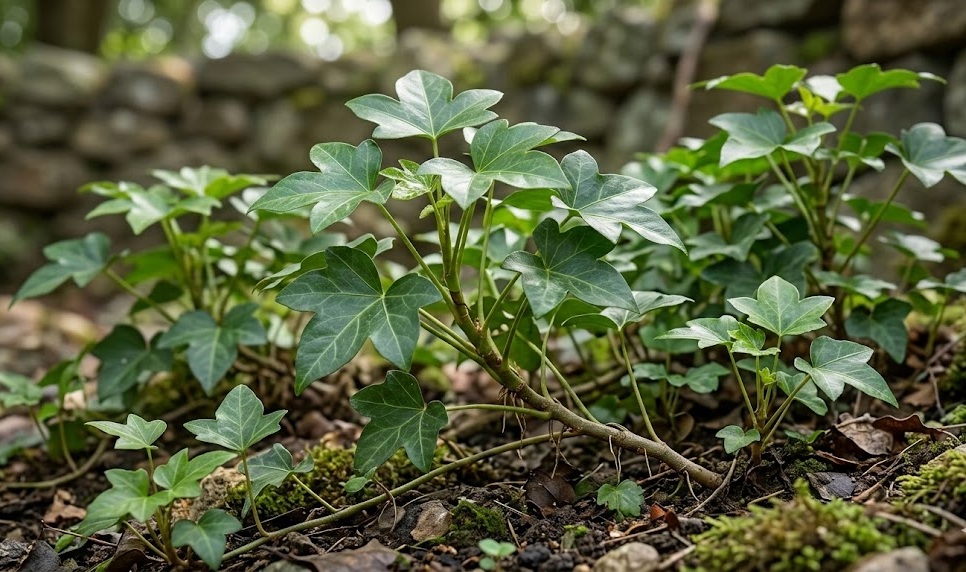

Understanding the specific light requirements of tree ivy is one of the most important factors in achieving a lush, well-proportioned specimen. This hybrid plant occupies a unique niche, preferring conditions that are brighter than those required by common ivy but less intense than what many other houseplants need. Its large, lobed leaves are designed to capture filtered sunlight, making it an ideal choice for various indoor settings. Providing the right intensity of light will ensure that your plant maintains its deep green color and avoids the leggy growth that occurs in too much shade.
The ideal light for a tree ivy is bright, indirect illumination, such as the kind found near a north or east-facing window. Direct afternoon sunlight, especially during the summer months, can be too intense and may lead to scorched patches on the delicate leaf surfaces. On the other hand, if the light is too dim, the plant will begin to “reach” for the sun, resulting in long, weak stems with large gaps between the leaves. Finding that perfect middle ground is the secret to keeping the plant compact and aesthetically pleasing.
If you are growing your plant in a room with limited natural light, you may need to supplement its needs with artificial lighting. Modern LED grow lights are an excellent option because they provide the full spectrum of light that plants need without generating excessive heat. Placing a grow light a few feet above the plant for ten to twelve hours a day can keep it thriving even in the darkest corners of your home. This flexibility makes the tree ivy a versatile choice for office environments where natural windows might be far away.
Seasonal changes also play a role in how you should manage the light for your plant throughout the year. In the winter, when the sun is lower in the sky and the days are shorter, you can often move the plant closer to the window than you would in the summer. During the peak of summer, however, a sheer curtain can be used to soften the light and protect the foliage from the harsh midday rays. By being observant and responsive to the changing seasons, you can provide the consistent light levels your plant needs to flourish.
Assessing the quality of indoor light
To provide the best care, you must first learn how to assess the light quality in different parts of your home or office. A simple way to check the intensity is the “shadow test,” where you hold your hand over the plant’s location during the brightest part of the day. A soft, fuzzy shadow indicates good indirect light, while a sharp, dark shadow means the light is likely too direct and intense. No shadow at all suggests that the spot is too shady for the plant to perform its best over the long term.
More articles on this topic
Orientation matters significantly when it comes to the type of light a window provides throughout the day. North-facing windows offer the most consistent, indirect light, which is generally considered the “gold standard” for this particular hybrid. East-facing windows provide gentle morning sun, which is usually safe, but you should monitor for any signs of heat stress. South and west-facing windows are the most challenging, as they can become very hot and bright in the afternoon, often requiring a curtain for protection.
The distance from the light source also has a dramatic effect on the intensity of the light the plant actually receives. Light levels drop off very quickly as you move away from a window, so a plant that is five feet away is getting significantly less energy than one right on the sill. If you notice your tree ivy is leaning heavily toward the window, it is a clear sign that it needs to be moved closer. Rotating the pot by ninety degrees every week will help ensure that all sides of the plant receive equal light and grow evenly.
Lastly, consider the cleanliness of your windows and the plant’s own leaves, as dust can act as a significant barrier to light absorption. A thin layer of grime on the glass can reduce the available light by up to twenty percent, which can be critical during the dark winter months. Similarly, keeping the large leaves of your ivy clean will maximize their ability to photosynthesize and produce energy. These small maintenance tasks are easy to overlook but can make a huge difference in the overall vigor of your plant.
Signs of light-related stress
Learning to recognize the visual cues your plant gives you is essential for adjusting its light levels before any permanent damage occurs. If the leaves of your tree ivy start to turn a pale or yellowish-green, it is often a sign that it is receiving too much light. In extreme cases, you may see brown, dried-out patches in the center of the leaves, which are essentially “sunburns” from direct exposure. Moving the plant just a few feet back from the window is usually enough to stop this problem from getting worse.
More articles on this topic
In contrast, a plant that is not getting enough light will exhibit very different symptoms that are equally important to catch. You may notice that the new leaves are much smaller than the older ones and that the distance between the leaf nodes is increasing. This “etiolation” makes the plant look thin and spindly rather than full and bushy. If the plant stops growing altogether during the spring or summer, it is likely a sign that it simply doesn’t have the energy to produce new tissue.
Another subtle sign of low light is the loss of the vibrant green color, as the plant may produce more chlorophyll to compensate for the lack of sun. This can make the leaves look unnaturally dark, but they will often feel thinner and more fragile than healthy leaves. If you see this happening, try moving the plant to a brighter location or adding a small grow light to its environment. Most plants will recover their natural growth habit once the light levels are corrected, though the leggy stems may need pruning to regain their shape.
Finally, keep an eye on the overall orientation and posture of the plant, as it will naturally try to maximize its light exposure. A healthy plant should stand relatively straight with leaves that are spread out to catch the incoming light. If the plant is constantly drooping or leaning at a sharp angle toward the nearest window, it is telling you it wants more. Responding to these cues early will prevent the plant from becoming structurally weak and keep it looking its professional best.