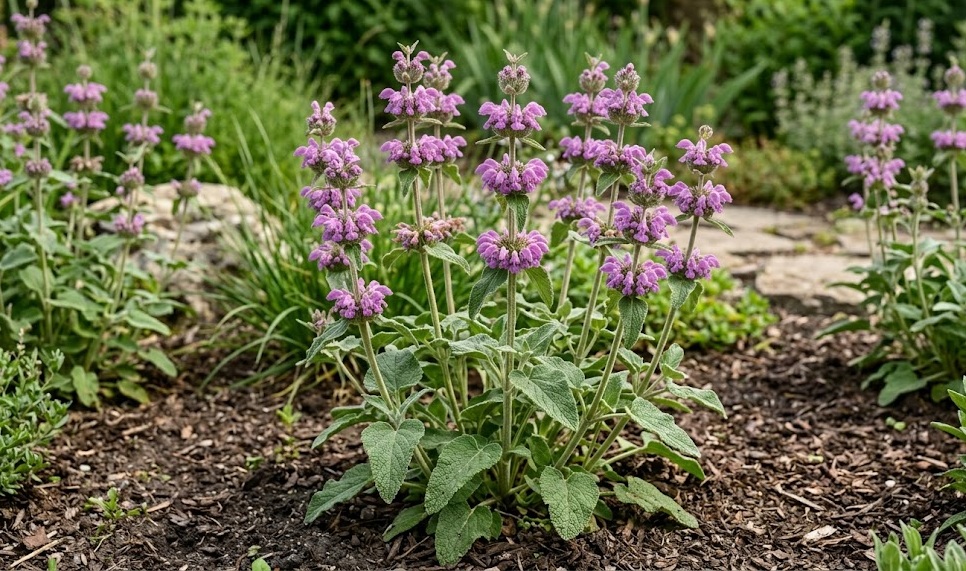

Optimizing the light exposure for the tuberous jerusalem sage is essential for achieving the most impressive floral display and maintaining plant vigor. This species is naturally adapted to open, sun-drenched environments where it can capture the maximum amount of solar energy. Understanding how light influences its physiological processes allows for better placement within any landscape design. A professional gardener prioritizes light availability as a primary factor in the long-term success of this architectural perennial.
Full sun is the preferred condition for this plant, meaning it should receive at least six to eight hours of direct sunlight every day. This high level of light intensity drives the production of the energy needed to develop its large basal leaves and tall flower spikes. In regions with shorter growing seasons or cooler climates, maximizing sun exposure is even more critical for ensuring the plant matures on time. A site that is bathed in light will produce the sturdiest stems and most vibrant flowers.
While the plant is quite resilient, insufficient light can lead to several noticeable problems that affect its overall aesthetic and health. Specimens grown in too much shade often become leggy, as they stretch toward the nearest light source, resulting in weak stems that may flop over. The foliage may also be less dense, and the overall flowering potential will be significantly reduced compared to plants in full sun. Identifying these signs of light stress allows for the necessary adjustments to be made to the garden layout.
Light also plays a role in the plant’s ability to resist certain diseases, particularly those caused by fungal pathogens. Sun-drenched leaves dry out more quickly after rain or dew, reducing the window of opportunity for spores to germinate and infect the tissues. The ultraviolet rays from the sun also have a mild sanitizing effect on the surface of the foliage, contributing to a healthier plant environment. Proper light management is therefore an integral part of a holistic pest and disease prevention strategy.
Solar exposure and energy synthesis
The process of photosynthesis is the engine that drives the growth and development of the tuberous jerusalem sage throughout the season. Solar energy is converted into chemical energy, which the plant then uses to build new cells and store reserves in its underground tubers. This energy is especially important during the mid-summer when the plant is producing its characteristic whorls of pinkish-purple flowers. Without adequate light, the plant simply cannot gather enough resources to perform at its peak.
More articles on this topic
Different times of the day provide different qualities of light, which can impact how the plant responds to its environment. Morning sun is often considered ideal because it is bright enough to trigger growth but cool enough to avoid stressing the plant during the heat of the day. Afternoon sun is much more intense and can be beneficial in cooler climates, though it may require the gardener to monitor the soil moisture more closely. Balancing these light patterns is part of the art of professional site selection.
Seasonal changes in the angle of the sun also mean that a site that is sunny in the summer may be shaded in the spring or autumn. It is important to evaluate the light patterns of a potential planting site throughout the year to ensure consistent exposure. Deciduous trees can provide a dynamic light environment, offering full sun in the early spring before their leaves emerge and then providing shade later in the season. Understanding these shifts allows for a more nuanced approach to garden planning.
In large-scale agricultural or horticultural settings, the orientation of the planting rows can also maximize the use of available light. Rows that run north to south ensure that each plant receives a more equal amount of sunlight throughout the day. This uniform exposure leads to more consistent growth and flowering across the entire crop, which is essential for professional results. Efficient light management is a key component of high-quality landscape and agricultural production.
Impact of shade on development
When the tuberous jerusalem sage is placed in a location with significant shade, its physical appearance and health will inevitably change. The most immediate response is often a change in the color and texture of the leaves, which may become a deeper green but also thinner and less fuzzy. This is an adaptation to capture the limited light more effectively, but it also makes the foliage more vulnerable to physical damage and pests. A professional can quickly identify these changes as a sign that the plant is not in its optimal environment.
More articles on this topic
Flowering is the most heavily impacted process when light levels are insufficient for the plant’s needs. The number of flower spikes will decrease, and those that do emerge may be smaller and have fewer individual flowers in each whorl. In deep shade, the plant may fail to flower entirely, focusing all of its limited energy on basic survival instead. For a plant that is primarily grown for its architectural floral display, this is a significant loss of value in the landscape.
The overall structure of the plant becomes less compact and more sprawling as it searches for better light conditions. This “etiolation” results in long, weak stems that lack the structural integrity to stand upright, especially when they are wet or in windy conditions. Staking may become necessary to prevent the plant from becoming a tangled mess on the ground, adding to the maintenance requirements. It is always better to choose the right site from the start than to try and compensate for poor conditions later.
If a specimen is currently in too much shade, transplanting it to a sunnier location is often the best course of action for its long-term health. This move should be done during the dormant season or in the early spring to minimize stress on the plant. Once relocated to a site with adequate light, the plant will usually recover its vigor and typical growth habit within one or two seasons. A professional gardener is always willing to make these adjustments to ensure the highest quality results in their landscape.