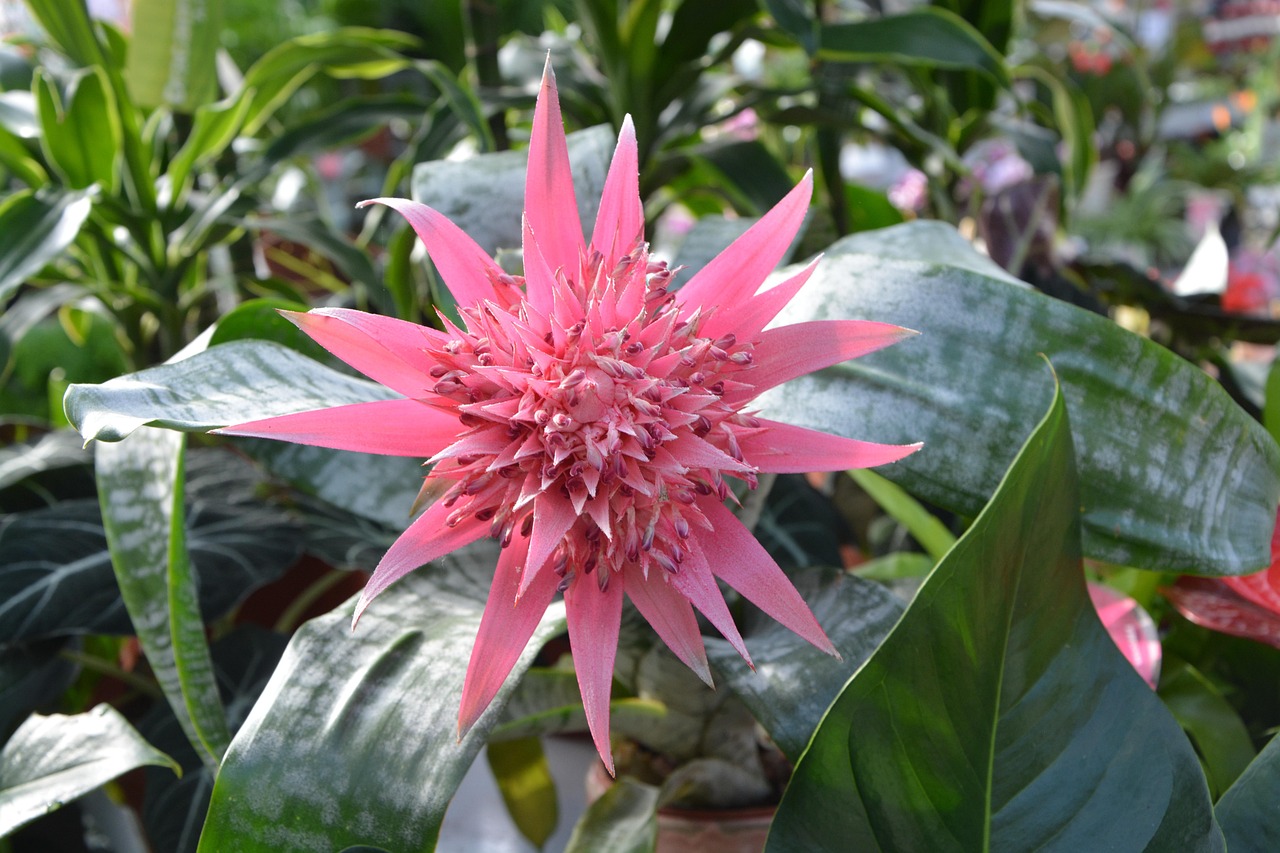

The silver vase plant has evolved in the dappled light of tropical forest canopies, which has shaped its specific needs for solar energy. To replicate these conditions at home, you must find a balance between providing enough intensity for growth and avoiding the harshness of direct sun. Light is the engine that drives the plant’s spectacular silver coloration and its ability to produce its iconic pink bloom. Understanding these requirements is the key to maintaining a visually stunning and healthy bromeliad for many years.
In an indoor setting, the best location for a silver vase plant is usually near a window that receives bright, indirect light for most of the day. East-facing windows are often ideal, as they provide gentle morning sun followed by bright shade in the afternoon. West-facing windows can also work, but you may need a sheer curtain to filter the intense late-day heat that can occur during the summer months. Avoid placing the plant in dark corners where it will struggle to photosynthesize and may lose its vibrant silver dusting.
The silver scales on the leaves, known as trichomes, are a natural adaptation that helps the plant manage light and moisture. These scales reflect a portion of the incoming light, protecting the delicate green tissues of the leaf from UV damage. If the light is too low, the plant may produce fewer trichomes, causing the leaves to appear more green and less silver. Conversely, in very bright light, the silver coating often becomes more dense and luminous as the plant builds up its natural shield.
Finding the “sweet spot” for light involves observing how the plant reacts over a period of several weeks in its chosen location. A happy silver vase plant will have firm, upright leaves that maintain their characteristic arching shape and metallic sheen. If the plant starts to stretch and the leaves become unusually long and thin, it is likely reaching for more light. Move it gradually to a brighter spot, but always avoid sudden changes that could shock the plant’s systems.
Identifying and managing light related stress
Leaf scorch is the most immediate danger of providing too much direct sunlight to your silver vase plant. It appears as bleached or brown, papery patches on the parts of the leaves that are most exposed to the sun. Unlike some other houseplants, these burns are permanent and will not heal, affecting the plant’s aesthetic for the remainder of that leaf’s life. If you see signs of scorching, move the plant immediately to a more shaded location or use a translucent barrier to soften the light.
More articles on this topic
Insufficient light can be just as damaging in the long run, even if the signs are less dramatic at first. Beyond the loss of silver color, the plant may fail to bloom or produce very small, pale flower spikes that lack the typical vibrancy. The base of the plant might also become weak and prone to tipping over as the roots struggle to support the elongated foliage. Consistent, high-quality light is the best way to ensure the plant has the energy reserves needed for its final reproductive phase.
Seasonal adjustments are often necessary to maintain the correct light levels throughout the entire year. In the winter, you may need to move the plant closer to the glass or to a south-facing window to compensate for shorter days. In the summer, you might need to move it back or provide more shade to prevent the midday sun from becoming too intense. Being proactive about these changes will keep the plant in a steady state of health regardless of the weather outside.
You can also use artificial lighting to supplement natural sun, especially in apartments or offices with limited window access. Full-spectrum LED grow lights are energy-efficient and provide the exact wavelengths the silver vase plant needs to thrive. Place the light source about 30 to 45 centimeters above the top of the plant and keep it on for about twelve hours a day. This ensures a consistent energy supply that can lead to more predictable growth and flowering cycles.
Maximizing the visual impact of light
The way light interacts with the silver vase plant can change the entire mood of a room’s interior design. When placed in a spot with good ambient light, the silver leaves seem to glow from within, creating a modern and architectural look. You can enhance this effect by placing the plant against a darker background that makes the metallic colors pop. Experimenting with placement can turn a simple houseplant into a genuine living piece of art in your home.
More articles on this topic
The orientation of the plant relative to the light source can also affect how evenly it grows over time. Most plants will naturally lean toward the strongest light, which can lead to a lopsided or unbalanced appearance. To keep your silver vase plant growing symmetrically, give the pot a quarter turn every time you water it. This ensures that all sides of the rosette receive an equal share of the available energy and maintain a uniform shape.
If you are growing several bromeliads together, be mindful of how they might shade one another as they grow. Taller specimens should be placed in the back or center, with smaller plants arranged around the edges where they can still catch the light. Good spacing not only ensures equal light distribution but also improves air circulation, which is vital for preventing fungal issues. A well-lit, organized plant shelf can be the focal point of any indoor garden or agricultural display.
Finally, remember that the silver vase plant is a slow-growing species that rewards patience and consistency. Changes in light won’t produce results overnight, so give the plant time to adapt whenever you move it to a new spot. By paying close attention to the subtle cues provided by the foliage, you can become an expert at managing its light requirements. A thriving, silver-dusted plant is a testament to the balance and care you provide in its indoor environment.