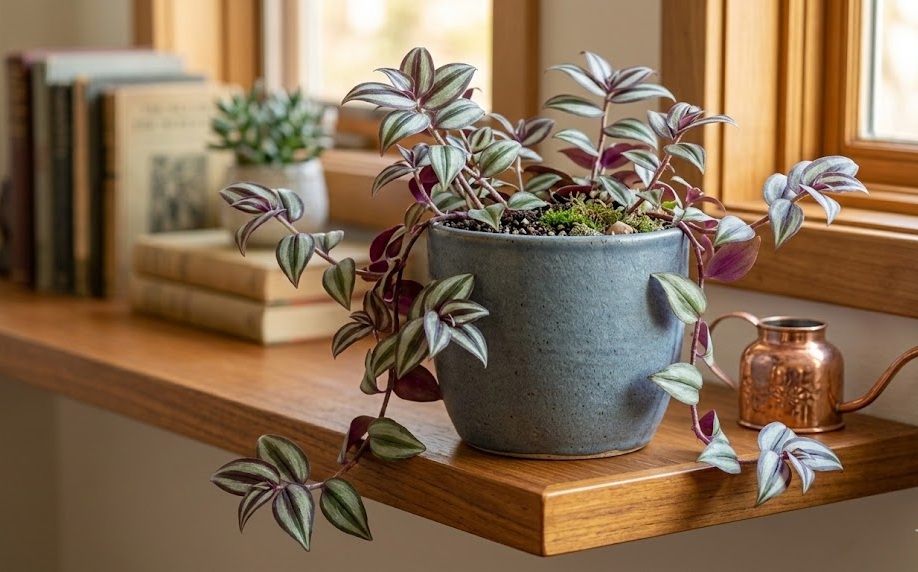

Providing the correct quality and intensity of light is arguably the most important factor in maintaining the stunning appearance of this tropical species. You must find a delicate balance where the plant receives enough energy to produce its vibrant pigments without being damaged by the sun’s harsh rays. In its native habitat, this plant grows on the forest floor where it is shielded by the canopy but still receives plenty of bright, diffused illumination. Replicating this specific environment in your home is the key to achieving the dense growth and iridescent colors that define a prize specimen.
Bright, indirect light is the gold standard for this species, usually found near east or west-facing windows where the sun is not too intense. You should look for a spot where the plant is close to the light source but protected from direct beams by a sheer curtain or the shade of another plant. If the plant is placed too far back into a dark room, it will quickly lose its purple coloration and the silver stripes will become dull and faded. On the other hand, the stems will start to stretch and the leaves will become smaller as the plant desperately searches for more energy.
Direct afternoon sun is the primary enemy of the delicate foliage and can cause permanent damage in just a few hours of exposure. The intense heat and UV rays will scorch the thin tissues of the leaves, leading to ugly brown patches or a bleached, washed-out appearance. If you notice the leaves feeling hot to the touch or looking crispy, you must move the plant further away from the window immediately. This protection is especially important during the peak summer months when the sun is at its strongest and the days are at their longest.
The plant will communicate its light needs to you through subtle changes in its growth habit and leaf intensity over time. If you see the gaps between the leaves (internodes) getting longer, it is a clear sign that the light levels are too low for the plant’s liking. Conversely, if the leaves are growing very close together but the colors seem muted or gray, the plant might be receiving slightly too much light. By observing these signals and making small adjustments to the pot’s position, you can fine-tune the environment to perfection.
Managing seasonal light fluctuations
As the seasons change, the angle and intensity of the sun entering your home will shift significantly, requiring you to move your plants accordingly. During the winter, you may need to move the pot directly onto a windowsill to catch every available ray of the weak northern sun. In the summer, that same spot might become a “death zone” of intense heat and light that would quickly kill the plant if it were left there. You must remain an active participant in your plant’s life, moving it several times a year to follow the best light conditions.
More articles on this topic
Using artificial grow lights is a fantastic way to supplement natural sunlight, especially in modern apartments or during the dark winter months. Full-spectrum LED lights are highly efficient and can be placed quite close to the foliage without the risk of heat damage. You can set these lights on a timer for twelve to fourteen hours a day to provide a consistent energy source that independent of the weather outside. This allows you to grow beautiful, vibrant plants in even the darkest corners of your home where natural light never reaches.
Rotating the pot every week is a simple but effective technique to ensure that all sides of the plant receive an equal amount of light. Because plants naturally grow toward the light source (a process called phototropism), a stationary pot will eventually become lopsided and thin on the shaded side. By giving the container a quarter-turn every time you water, you encourage balanced, 360-degree growth that looks attractive from every angle. This small habit makes a big difference in the overall symmetry and fullness of your cascading vines.
Outdoor placement during the summer can provide a significant boost to the plant’s health if you are careful about the transition. You must start by placing the plant in a fully shaded area and gradually move it to a spot with filtered sunlight over a period of two weeks. This “hardening off” process allows the leaves to thicken their protective layers and adapt to the higher light levels of the outdoors. The increased light and fresh air of the garden will often result in a massive growth spurt and the most intense colors you have ever seen on your specimen.
Understanding the science of leaf color
The stunning purple and silver colors of the leaves are actually a biological response to the specific light environment the plant lives in. These pigments, called anthocyanins, act as a natural sunscreen that protects the delicate photosynthetic machinery from being overwhelmed by too much energy. When the light is bright and healthy, the plant produces more of these pigments, resulting in the deep, rich colors that gardeners love. If the light levels drop, the plant will prioritize chlorophyll production instead, causing the leaves to turn a more uniform green.
More articles on this topic
The silver stripes on the surface of the leaves are created by a layer of air trapped just beneath the epidermis, which reflects the light like a mirror. This unique adaptation helps the plant maximize the limited light found in the deep shade of the rainforest by bouncing it around within the leaf tissues. In your home, this means the plant can be surprisingly efficient at using low light, but it still needs a certain threshold to maintain the effect. If the plant is too stressed or in too much shade, these reflective layers can break down, and the silver will disappear.
The underside of the leaf is almost always a solid, deep purple, which serves a different purpose than the colorful top side. This dark backing helps the leaf capture light that has already passed through the green tissues, effectively giving the plant a second chance to absorb energy. This is a common strategy for plants that have evolved on the dim forest floor where every photon of light is a precious resource. Seeing this vibrant purple display from below is one of the many reasons why this plant is so popular for hanging baskets.
Ultimately, mastering the light requirements of your silver inch plant is an ongoing process of observation and minor corrections. No two homes are exactly the same, and even the same window can provide different light qualities depending on the trees or buildings outside. Treat each placement as an experiment and be ready to move the plant if it shows any signs of distress or fading beauty. With time and experience, you will develop a “green thumb” that allows you to instinctively know exactly where your plants will be happiest and most colorful.