
The silkvine is a light-loving species that relies on abundant solar energy to fuel its aggressive climbing habit and unique flowering cycle. In its native Mediterranean environment, it is often found scrambling over sun-drenched rocks and trees where it can reach the canopy. Understanding how light intensity and duration affect its physiological processes is key to placing it correctly in your garden landscape. Providing the optimal light conditions will not only ensure a faster growth rate but also improve the overall structural integrity of the vine.
Optimizing sun exposure
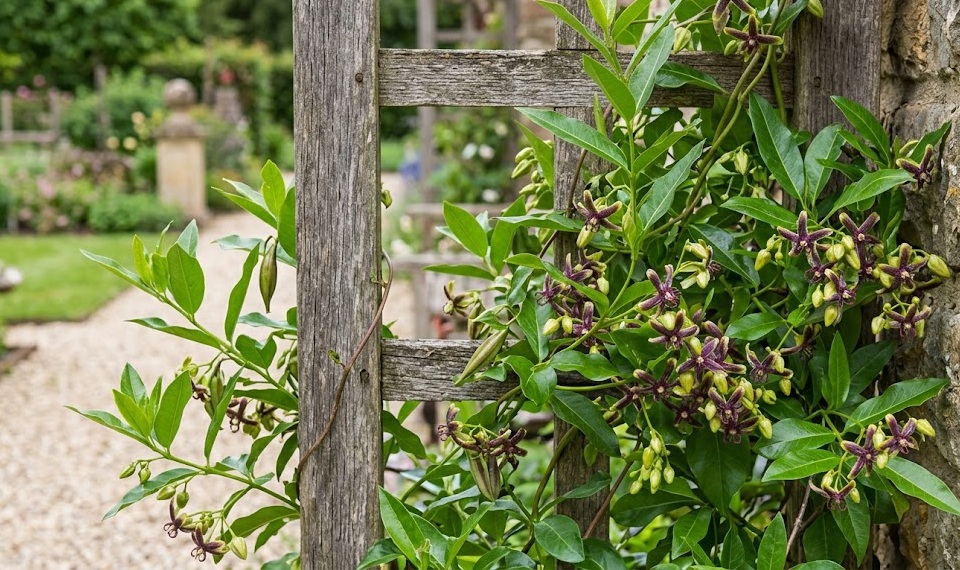
Full sun is the gold standard for this vine, meaning it should receive at least six to eight hours of direct light every day. When grown in these conditions, the leaves develop a deep, glossy green color and a thick, leathery texture that is more resistant to pests. The internodes, or the space between the leaves, stay shorter, which results in a much denser and more attractive screen of foliage. Most importantly, the brown-purple flowers will be produced in much greater abundance when the plant is bathed in sunlight.
If you are forced to plant the vine in a location with less than ideal light, you should expect some changes in its growth pattern. In partial shade, the plant will prioritize height over density as it tries to “stretch” toward the nearest light source. This can lead to a leggy appearance with fewer leaves at the base and a thinner canopy overall. While the plant is adaptable enough to survive in these conditions, it will never reach its full aesthetic or biological potential.
The orientation of your planting site plays a major role in how much usable light the plant actually receives throughout the year. A south or west-facing wall is typically the best choice, as these locations capture the most intense afternoon sun and retain heat well into the evening. Avoid north-facing positions where the vine would be in permanent shadow, as this often leads to weak growth and increased susceptibility to fungal diseases. Consider how the shadow of your house or neighboring trees will shift as the seasons change from summer to winter.
More articles on this topic
Reflected light can also be a valuable resource if you are trying to grow this vine in a slightly more restricted area. Planting it against a light-colored wall or near a paved patio can increase the total light energy available to the leaves. However, be cautious of extreme heat reflection in very hot climates, as this can occasionally scorch the foliage if the plant is not properly hydrated. Balancing direct and reflected light is a professional way to maximize the vigor of your climbing plants.
Impact of light on health
Light is the primary driver of photosynthesis, which provides the sugars the plant needs to build new woody tissues and roots. A plant that is consistently light-starved will have a weakened immune system and will be much slower to recover from pruning or pest damage. You may notice that shaded vines have thinner, paler leaves that feel soft to the touch rather than firm and glossy. Providing adequate light is the most effective form of preventative medicine you can offer to your silkvine.
The timing of the light is just as important as the total amount, with morning sun being particularly beneficial for drying the foliage. If the leaves remain wet from dew or overnight rain for too long in a shaded spot, they become a prime target for fungal spores. By placing the vine where the early sun can reach it, you significantly reduce the risk of powdery mildew and leaf spot. This is a simple environmental trick that can save you a lot of time and effort in chemical treatments later.
More articles on this topic
Seasonal changes in light intensity mean that the plant’s needs will fluctuate as it moves through its yearly growth cycle. In the peak of summer, the intense UV rays are what trigger the spectacular, if somewhat hidden, blooming of the vine. As autumn approaches and the light fades, the plant begins to transition its energy away from the leaves and into the roots for winter storage. Understanding this relationship helps you appreciate why the plant behaves differently as the days grow shorter or longer.
Finally, you should be aware of the potential for sunscald if a vine that has been growing in the shade is suddenly exposed to intense light. This can happen if you prune back a neighboring tree or remove a structure that was providing shade. You should try to make these changes gradually if possible to allow the vine’s leaves to adjust to the higher light intensity. While the silkvine is tough, a sudden change in environment can cause temporary stress and unsightly leaf damage.