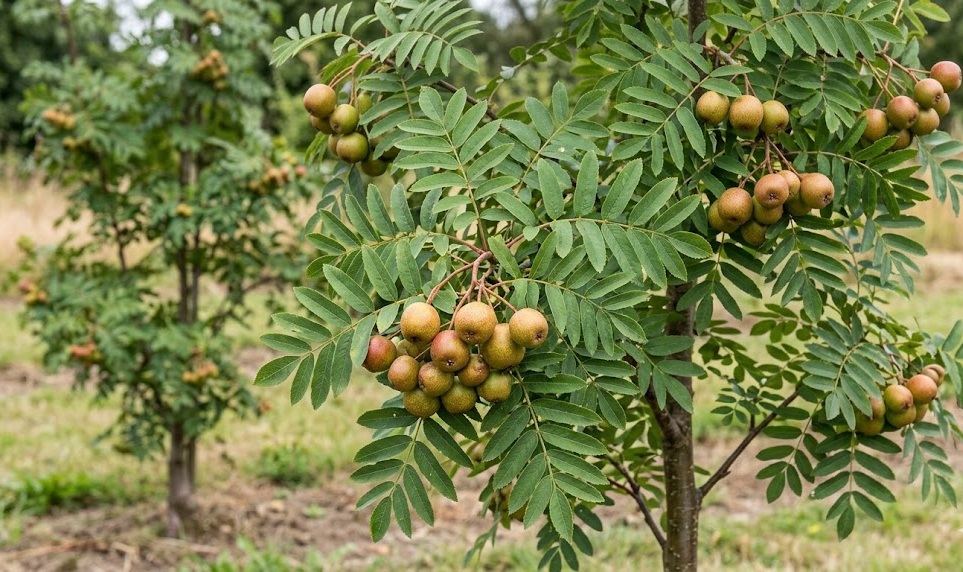

Understanding the light requirements of a service tree is fundamental to its successful cultivation and long-term health. As a species that naturally occurs in open woodlands and on sunny slopes, it has evolved to thrive in environments with significant solar exposure. Light influences every aspect of the tree’s biology, from the rate of photosynthesis to the timing of its flowering and the quality of its fruit. Providing the correct light conditions is one of the most important decisions you will make when choosing a site for this species.
The service tree is generally classified as a light-demanding species, meaning it requires full sun to reach its full potential. While it can tolerate a small amount of light shade, particularly in its younger years, prolonged shading will lead to a decline in vigor. In a garden or orchard setting, you should prioritize a location that receives at least six to eight hours of direct sunlight daily. This intensity of light ensures that the tree can produce the energy necessary for robust growth and consistent fruit production.
Light quality and duration also play a role in signaling the tree’s seasonal transitions throughout the year. The increasing day length in spring triggers the breaking of dormancy and the development of new leaves and blossoms. Conversely, the shortening days of autumn signal the tree to begin its preparation for winter. Professional growers pay close attention to these natural cues to ensure that their management practices are in sync with the tree’s internal clock.
In addition to its role in energy production, sunlight has a significant impact on the health and microclimate of the tree’s canopy. Direct solar radiation helps to dry the foliage quickly after rain or morning dew, which is a natural defense against many fungal diseases. It also warms the bark and branches, promoting active metabolic processes and encouraging the presence of beneficial insects. A well-lit canopy is almost always a healthier and more productive one than one that is constantly in the shadows.
Sunlight intensity and canopy positioning
To maximize the benefits of sunlight, you must consider the positioning of the service tree relative to other structures and plants. It should not be planted on the north side of large buildings or under the canopy of even larger, dominant trees. These positions will deprive the tree of the direct radiation it needs, especially during the peak growing months. An open, south or west-facing slope is often considered the ideal location for this sun-loving species.
More articles on this topic
The intensity of light reaching the interior of the canopy is just as important as the total amount of light hitting the outside. If the tree is allowed to become too dense, the inner branches will be shaded by the outer foliage and may eventually die back. Professional pruning techniques focus on thinning the canopy to allow dappled sunlight to reach all parts of the branch structure. This internal lighting promotes a more balanced growth habit and ensures that fruit can ripen evenly throughout the tree.
Young service trees are somewhat more adaptable to light conditions than mature ones, as they often start their lives in the understory of a forest. However, as they grow, their demand for light increases significantly as they strive to reach the upper layers of the canopy. You should monitor the surrounding vegetation to ensure that the young tree is not being overtopped or crowded out. Clearing away competing brush or thinning nearby trees can provide the light “gap” that the service tree needs to thrive.
In regions with extremely high temperatures and intense summer sun, the tree may benefit from some light afternoon shade. While it loves the sun, extreme heat combined with intense radiation can sometimes lead to leaf scorch or stress. This is rarely an issue in temperate climates, but it is a consideration for those growing the species in warmer, more southern locations. Even in these cases, the tree still needs a substantial amount of direct light during the rest of the day to maintain its health.
Shading issues and physiological consequences
Growing a service tree in inadequate light conditions can lead to several physiological problems that compromise its long-term survival. One of the most immediate effects of shading is a significant reduction in the growth rate and overall vigor of the tree. The plant simply cannot produce enough carbohydrates through photosynthesis to support robust development. This leads to thin, spindly branches and a sparse canopy that is more susceptible to physical damage and environmental stress.
More articles on this topic
Inadequate light also has a profound impact on the tree’s reproductive success and fruit quality. Trees grown in deep shade may fail to flower altogether or produce only a small number of low-quality blossoms. Even if fruit is produced, it often fails to ripen properly and lacks the characteristic flavor and sweetness of sun-ripened specimens. For anyone interested in the fruit production of the service tree, providing full sun is an absolute requirement for success.
The structural integrity of the tree can also be affected by a lack of light as it tries to grow toward any available light source. This can lead to a heavily leaned or lopsided growth habit, which is both aesthetically unpleasing and structurally weak. In severe cases, the tree may become “leggy,” with long, weak stems that cannot support their own weight as they reach for the sun. Proper siting from the beginning is the best way to prevent these structural deformities.
Finally, a shaded canopy is much more likely to suffer from chronic moisture-related diseases such as powdery mildew or leaf spot. Without the drying power of the sun, the foliage stays damp for longer periods, providing the perfect environment for fungal pathogens. You may also find that certain insect pests are more common in the cooler, more humid conditions of a shaded tree. Providing adequate light is, therefore, a central component of an integrated pest and disease management strategy.
Photosynthetic efficiency and seasonal variations
The service tree is highly efficient at converting sunlight into energy, but this efficiency varies throughout its annual cycle. In the early spring, the young, expanding leaves are particularly sensitive and require high light levels to fuel their rapid development. During this time, the tree is also producing its blossoms, which require significant energy reserves. Maximizing solar exposure during this critical period ensures that the tree can successfully set its fruit crop for the year.
As the summer progresses, the mature leaves reach their peak photosynthetic capacity, building up the energy stores needed for the following year. This is the time when the tree is most productive, and any reduction in light can have a direct impact on its future vigor. The long days of summer provide the maximum amount of energy, which the tree uses to expand its root system and thicken its woody tissues. Professional management involves ensuring that the tree has a clear view of the sky during these high-energy months.
In the autumn, as the days shorten and the angle of the sun changes, the tree begins to wind down its photosynthetic activity. The changing light quality triggers the breakdown of chlorophyll, revealing the beautiful autumn colors for which the species is known. During this phase, the tree is relocating valuable nutrients from the leaves back into the permanent structure of the tree. Even during this period of decline, adequate light helps the tree complete this process efficiently before the first hard frosts arrive.
Understanding these seasonal light dynamics allows you to make better decisions about care and maintenance. For example, if you are planning to plant other trees or structures nearby, you should consider how their shadows will move throughout the seasons. A site that is sunny in the summer may be heavily shaded in the early spring or late autumn when the sun is lower in the sky. A professional approach takes this long-term, four-dimensional view of the light environment to ensure the service tree’s success.