
Light is the primary source of energy for your vine, and finding the perfect balance is the most important factor in its overall health and ability to bloom. Many people assume that because it is a tropical plant, it needs constant, direct sunlight, but this can actually be harmful to the delicate waxy leaves. In its natural forest habitat, this species grows under the canopy of larger trees, receiving dappled or filtered light throughout the day. Your goal as an indoor gardener is to recreate this environment as closely as possible within the walls of your home.
The quality and duration of light are just as important as the intensity when it comes to long-term success. You will find that your plant is most comfortable in a spot that receives bright, indirect light for several hours every day. This provides enough energy for photosynthesis without the risk of scorching the leaves or drying out the soil too quickly. If the light is too low, the plant will survive, but it will grow very slowly and will likely never produce its famous clusters of flowers.
It is fascinating to observe how the plant moves and reacts to the light sources in your room over time. You might notice that the leaves turn themselves toward the window to maximize their surface area and soak up as much energy as possible. To ensure that your plant grows evenly and maintains a balanced shape, you should rotate the pot a quarter turn every few weeks. this simple habit prevents the plant from becoming “one-sided” and ensures that all parts of the vine stay healthy and vibrant.
Understanding the specific needs of your specimen will help you choose the best location in your home for its unique requirements. While most varieties prefer bright, indirect light, some of the variegated types might need a little bit more energy to maintain their beautiful leaf patterns. Pay attention to how the color and texture of the leaves change as you move the plant to different spots. With a bit of experimentation and observation, you will soon find the “sweet spot” where your plant truly thrives.
Finding the ideal light exposure
Eastern or western-facing windows are often the best choices for your plant because they provide gentle morning or afternoon light that is not too intense. These windows offer several hours of brightness without the harsh, direct rays of the midday sun that can occur in south-facing locations. If you only have a very sunny southern window, you can use a sheer curtain to diffuse the light and protect your plant from the heat. This creates the perfect “dappled” effect that the plant would experience in its natural jungle environment.
More articles on this topic
If you place your plant in a spot with too little light, you will see it develop long, thin stems with very few leaves, a condition known as stretching. The plant is literally trying to reach for a light source that is not strong enough to support healthy, compact growth. In these conditions, the leaves will often be a darker green, but they will lack the vigor and thickness of a well-lit specimen. Moving the plant just a few feet closer to a window can often resolve these issues and encourage stronger vines.
Be careful not to move your plant too suddenly from a dark corner into a very bright, sunny spot. Like humans, plants can get “sunburned” if they are exposed to intense light without a period of adjustment. If you want to move your plant to a brighter location, do it gradually over several days to allow the leaves to build up their natural defenses. This acclimation process is essential for preventing leaf damage and ensuring a smooth transition to a more energetic environment.
In the winter, you might need to move your plant even closer to the glass to make the most of the limited daylight hours. Just remember to keep an eye on the temperature, as the air near windows can be much cooler than the rest of the room. A bright, cool spot is much better than a dark, warm one for maintaining health during the dormant season. By staying mindful of the seasonal changes in light, you can keep your plant happy and healthy throughout the entire year.
Identifying signs of sunburn and light stress
Sunburn on your waxy leaves is usually easy to spot as it appears as bleached, yellow, or even brown, crispy patches on the surface of the foliage. These spots occur when the intense energy of the sun literally cooks the plant tissue, causing permanent damage to the cells. If you notice these marks, it is a clear sign that the light intensity is too high and you need to move the plant or provide some shade. While the damaged leaves will not recover, the new growth will be healthy if you correct the environment quickly.
More articles on this topic
Another sign of light stress is when the leaves start to turn a reddish or purple color, which is the plant’s way of protecting itself from excess energy. While some enthusiasts find this “stress coloring” attractive, it is an indication that the plant is at the limit of what it can handle. If the color becomes too dark or the leaves start to look shriveled, it is a good idea to pull the plant back a bit from the window. Monitoring these subtle color changes is a great way to stay in tune with your plant’s needs.
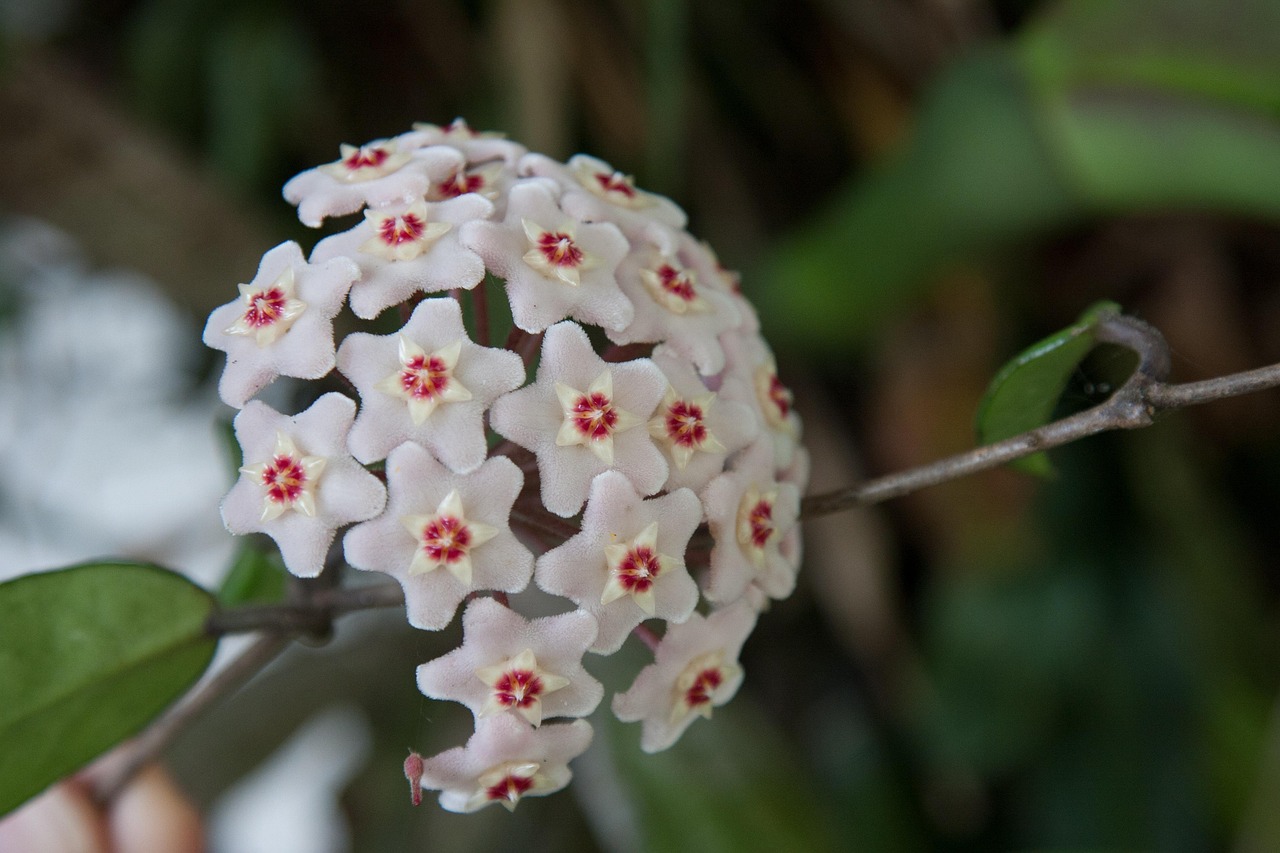
On the other hand, if your plant is healthy but has not bloomed in several years, it might be telling you that it needs just a little bit more light. Many growers find that a brief period of morning sun can be the trigger that finally encourages the plant to produce its beautiful flower spurs. Just be sure to monitor the leaves closely during this time to make sure they are not getting too hot. Finding the perfect balance between “enough light to bloom” and “not too much to burn” is the ultimate goal for any collector.
If you see your plant dropping leaves from the side that is furthest from the window, it is a clear sign that the overall light levels are too low. The plant is shedding its least efficient leaves to conserve energy for the parts that are getting the most light. Rotating the plant regularly can help prevent this, but the best solution is always to provide a brighter overall environment. A well-lit plant is a resilient plant that can better withstand other stresses like pests or minor watering mistakes.
Utilizing artificial lighting for success
In many homes or apartments, natural light is limited, but this doesn’t mean you can’t grow a spectacular and healthy climbing vine. Artificial grow lights have become very affordable and effective, allowing you to create the perfect light environment in any room. You can use full-spectrum LED bulbs that mimic the quality of natural sunlight and provide the specific wavelengths needed for both growth and flowering. This technology is a game-changer for plant lovers who live in dark climates or north-facing homes.
When using artificial lights, it is important to place them at the correct distance from the plant to avoid heat damage while still providing enough energy. Most LED grow lights should be positioned about thirty to fifty centimeters above the foliage for the best results. You should also use a timer to ensure that the plant gets a consistent “day” of about twelve to fourteen hours of light. Consistency is key, as sudden changes in the light schedule can stress the plant and inhibit its natural growth cycles.
Using artificial lights also allows you to grow your plants in places where they wouldn’t normally survive, such as on a bookshelf or in a hallway. You can even use these lights to supplement the natural light during the winter months when the days are short and often cloudy. Many collectors find that their plants grow much faster and more reliably when they have a constant and controlled source of energy. It is a worthwhile investment that will pay off in the form of lush, green vines and frequent blossoms.
Just remember that even with the best artificial lights, your plant still needs a period of darkness every night to “breathe” and process the energy it collected during the day. Never leave the lights on for twenty-four hours, as this will eventually exhaust the plant and cause it to become weak and sickly. A regular cycle of light and dark is essential for all living things, including your beautiful tropical vines. With the right balance of technology and nature, you can enjoy a thriving indoor garden in any living space.