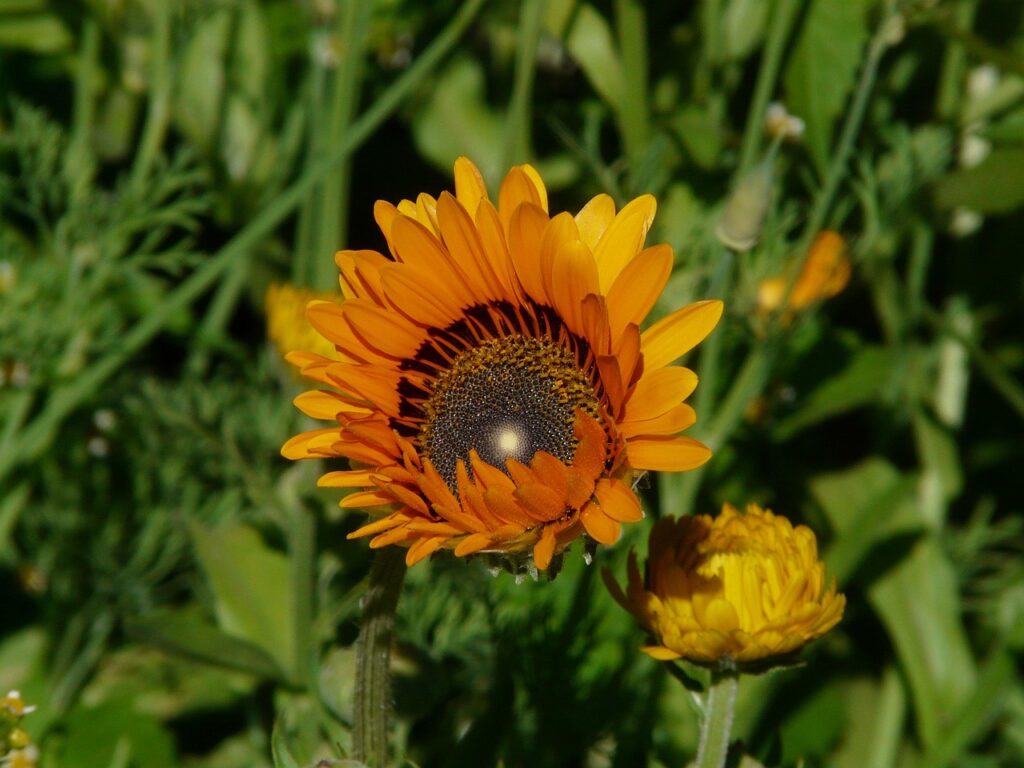

Sunlight is the primary energy source for all garden plants, and its intensity and duration are the most important factors in determining how your painted daisies will grow. These tricolor beauties are sun-loving organisms that rely on high levels of light to produce their vibrant colors and sturdy stems. You will find that when they are placed in the right spot, they will reward you with a prolific display that lasts for weeks. Understanding the nuances of light exposure is a fundamental skill for any professional gardener aiming for excellence in their floral displays.
The painted daisy is generally classified as a full-sun plant, which means it requires at least six to eight hours of direct sunlight every day to thrive. In a professional garden setting, this means choosing a location that is not obstructed by large trees, buildings, or other structures for the majority of the day. If the plants receive too much shade, they will become “leggy” as they stretch toward the light, resulting in weak stems that are prone to flopping over. The intensity of the flower colors is also directly related to the amount of UV radiation the petals receive during their development.
However, the “full sun” requirement can vary slightly depending on your specific geographic location and the local intensity of the summer sun. In very hot southern climates, a little bit of afternoon shade can actually be beneficial, as it protects the delicate petals from being scorched during the peak of the day. You should observe your garden at different times of the day throughout the season to understand the shifting patterns of light and shadow. This level of observation is what allows a professional to fine-tune the placement of each plant for maximum health and beauty.
Humanizing your approach to light management involves recognizing that plants, like people, have their own limits and can experience “sunburn” if exposed to too much intensity too quickly. You should always be mindful of the transition periods, especially when moving young plants from a greenhouse or indoor setting into the open garden. Providing a gradual adjustment period allows the plant’s tissues to toughen up and develop their natural protective mechanisms. This professional and careful transition is key to ensuring that your daisies hit the ground running once they are in their permanent home.
Maximizing sunlight for colorful displays
To get the most out of your painted daisies, you should position them in the brightest part of your garden, where the sun can reach them from early morning until late afternoon. The morning sun is particularly valuable because it helps to dry off any dew on the leaves, which significantly reduces the risk of fungal diseases. You will notice that plants in sunny spots tend to be more compact and have a higher density of flowers than those grown in partial shade. This structural strength is a direct result of the energy the plant is able to produce through photosynthesis.
More articles on this topic
If you have a garden that is naturally shaded, you can still grow beautiful daisies by using reflective surfaces to bounce more light into the planting area. White-painted fences, light-colored garden walls, or even strategically placed mirrors can help to increase the ambient light levels around your flowers. While this is not a substitute for direct sun, it can provide just enough of a boost to prevent the plants from becoming overly leggy. A professional gardener is always looking for creative ways to manipulate the environment to suit the needs of their plants.
The angle of the sun also changes throughout the growing season, which can affect which parts of your garden receive the most light in June versus August. You should take this into account when planning your garden layout, ensuring that your sun-loving daisies aren’t eventually shaded out by faster-growing shrubs or perennials nearby. Keeping a simple “sun map” of your property can be an incredibly useful tool for making these long-term planning decisions. This proactive approach ensures that your garden remains productive and beautiful as the seasons shift.
For those growing daisies in containers, the ability to move the pots to follow the sun is a major advantage that should be utilized. You can shift your containers to the sunniest parts of your patio or balcony as the shadows move throughout the day or the season. This flexibility allows you to provide your plants with the maximum amount of energy even in a limited or challenging space. Just remember that potted plants in full sun will dry out much faster, so you must balance their light needs with a consistent watering routine.
Managing high temperatures and heat waves
While the painted daisy loves the light, the high temperatures that often come with direct summer sun can sometimes lead to heat stress. You may see the leaves drooping slightly in the middle of a particularly hot afternoon as the plant tries to conserve moisture. This is a natural response, but if the wilting persists into the evening, it is a sign that the plant needs more water or some temporary relief from the heat. A professional gardener learns to distinguish between temporary heat response and true dehydration.
More articles on this topic
Providing a bit of “filtered” light during the hottest part of the day can be a great way to protect your plants during a severe heatwave. You can use a light-colored garden fabric or a lattice structure to provide a bit of dappled shade without completely blocking the sun. This reduces the surface temperature of the leaves and helps to prevent the flower petals from fading or becoming crispy at the edges. It is a temporary measure that can save the aesthetic quality of your display during the most challenging weeks of the summer.
Mulching, as mentioned in previous chapters, also plays a vital role in light and heat management by protecting the root system from direct solar radiation. The soil under a layer of mulch stays significantly cooler than exposed earth, which reduces the overall stress on the plant. This “cool root zone” allows the daisy to better tolerate the intense light hitting its foliage and flowers. You should maintain your mulch throughout the summer to ensure this thermal barrier remains effective during the hottest months.
In very hot climates, you might find that your daisies perform best when planted in an area that receives full morning sun but is protected from the harshest rays of the late afternoon. This “part-day” full sun strategy provides the necessary energy for flowering while giving the plant a chance to recover in the cooler evening hours. You will need to experiment with the specific microclimates in your own garden to find the perfect balance for your local weather patterns. This professional experimentation is part of what makes gardening such an engaging and rewarding hobby.
Signs of insufficient light and correction
Being able to recognize the early signs of light deficiency allows you to take corrective action before your plants become permanently weakened. The most obvious sign is “etiolation,” where the stems become long, thin, and pale as they stretch toward the nearest light source. You may also notice that the leaves are smaller and spaced further apart along the stem than is normal for the species. If you see these signs, you should consider moving the plant to a brighter location or pruning back nearby vegetation that may be casting too much shade.
A lack of light will also have a dramatic impact on the flowering performance of your painted daisies. You will see fewer flower buds, and the blooms that do open may be smaller and less intensely colored than they should be. The plant is essentially prioritizing its limited energy for basic survival rather than reproductive displays. If your daisies are not blooming as prolifically as you expected, the amount of light they are receiving should be the first thing you investigate.
In some cases, you can use “pinching” or light pruning to encourage a more bushy growth habit in plants that have become a bit leggy due to insufficient light. By removing the growing tips, you stimulate the plant to produce more lateral branches, resulting in a more compact and sturdy shape. However, this is only a temporary fix if the underlying light problem is not addressed, as the new growth will eventually start to stretch again. A professional gardener addresses the root cause of the problem rather than just treating the symptoms.
Finally, you should be aware that indoor-grown or greenhouse plants will always need a period of acclimation before being moved into full outdoor sun. The glass or plastic in these structures filters out much of the UV radiation, leaving the plants vulnerable to sudden exposure. You should move them outdoors gradually, starting with a few hours in the shade and slowly increasing their time in the sun over a week or more. This professional “hardening off” process prevents the leaves from becoming bleached and the plant from being severely set back.