Understanding the specific light requirements of the Greek fir is a fundamental component of successful cultivation, as the intensity and duration of sunlight directly influence its growth rate, needle density, and overall health. As a high-altitude conifer from the Mediterranean, this species is naturally adapted to bright, intense light, but it also possesses a degree of flexibility that allows it to tolerate various garden exposures. You must strategically position the tree to balance its need for energy-producing sunlight with protection from the stresses of excessive heat and urban reflected light. Providing the right luminous environment ensures that the tree maintains its iconic conical form and vibrant evergreen foliage.
The necessity of full sun exposure
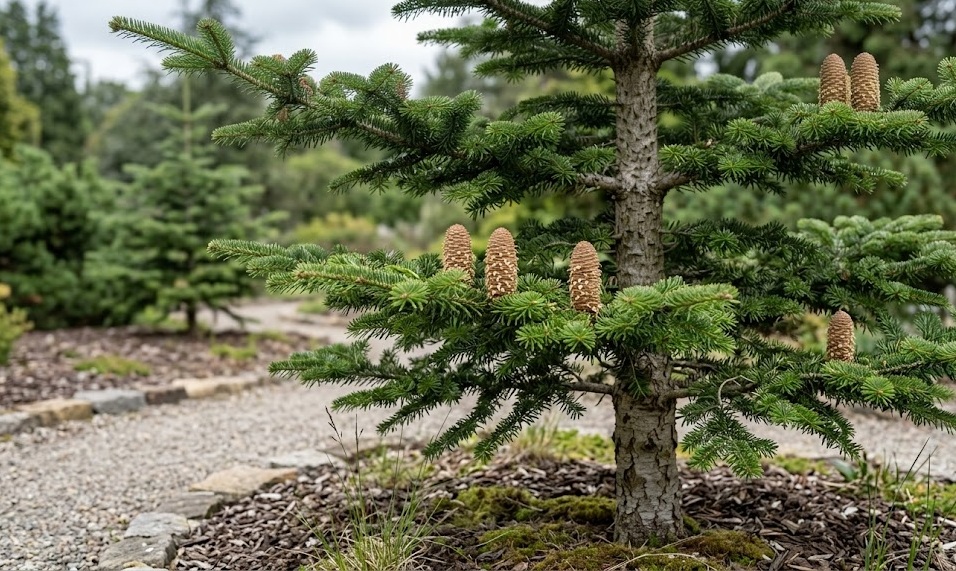
The Greek fir is at its most vigorous and aesthetically pleasing when it is grown in a location that receives full sun, typically defined as at least six to eight hours of direct sunlight per day. In its native mountain ranges, it occupies the upper slopes where the light is unfiltered and intense, allowing for high rates of photosynthesis. In a garden setting, this translates to a tree with a much denser needle canopy and a stronger, more resilient trunk than one grown in the shade. You will notice that trees in full sun also produce more of their ornamental cones, which add significant visual interest to the landscape.
When the tree receives adequate light, it develops a tight, symmetrical growth habit that is the hallmark of the species. The internodal spacing—the distance between the branches—is shorter in high-light conditions, creating the lush, full look that many gardeners desire. You should prioritize a south-facing or west-facing aspect for your Greek fir to ensure it captures the maximum amount of solar energy throughout the growing season. This abundant light also helps to dry the foliage quickly after rain, which is a key factor in preventing many fungal diseases that thrive in damp, shaded conditions.
However, the definition of “full sun” can vary significantly depending on your geographical location and the time of year. In northern latitudes, where the sun’s intensity is lower, the tree can easily handle all-day exposure without any signs of stress. In more southern or Mediterranean-like climates, the afternoon sun can be incredibly intense, sometimes leading to heat stress even if the light levels are ideal. You must observe your tree during the peak of summer to ensure the needles aren’t taking on a yellowish or “sunburned” appearance, which could indicate that the light is combined with too much heat.
The interaction between light and air temperature is a critical factor that you must manage to keep the tree comfortable. A location that is sunny but also has good air circulation is much better than a sunny spot that is enclosed by walls or fences where heat can become trapped. If you are planting in a particularly hot region, you might consider a spot that provides full morning sun but offers some dappled shade during the hottest part of the afternoon. This balance allows the tree to meet its photosynthetic needs while avoiding the physiological strain of extreme thermal stress.
More articles on this topic
Adaptability to partial shade
While the Greek fir prefers bright light, it is remarkably adaptable and can tolerate partial shade, especially during its younger years. In a forest environment, saplings often spend decades growing in the dappled light beneath the canopy of mature trees before eventually reaching the sun. In your garden, this means you can successfully grow a Greek fir in an area that receives about four to six hours of sunlight or filtered light throughout the day. You should expect the growth rate to be somewhat slower in these conditions, and the tree may take on a slightly more “open” or airy appearance.
In shaded locations, the tree’s needles often grow slightly longer and become a darker green as they work harder to capture the limited available light. This is a natural adaptation, but you must be careful that the shade is not too dense, or the tree will begin to look “leggy” as it stretches toward the light. You should monitor the lower branches in particular, as they are the first to be shed if the light levels drop below the threshold for survival. If you notice the interior of the tree becoming very thin, it is a clear sign that the tree is not receiving enough energy from its current exposure.
Partial shade can actually be beneficial in regions with exceptionally hot summers, as it helps to keep the soil and the tree’s internal temperature cooler. By reducing the intensity of the midday sun, you can prevent the needles from desiccating and help the tree maintain its moisture balance more easily. If you have a site that is shaded by deciduous trees, your Greek fir will enjoy more light in the winter and early spring when the leaves are gone, which is exactly when it needs energy for its new growth. This seasonal shift in light levels can provide an ideal middle ground for the species in many temperate gardens.
When planting in a less-than-ideal light situation, you should be even more diligent about other aspects of care, such as irrigation and fertilization. Because a shaded tree is under a different kind of physiological pressure, it may be less resilient to pests or minor drought. You should avoid over-watering shaded trees, as the soil will stay moist much longer than it would in a sunny spot, increasing the risk of root rot. By understanding the trade-offs of a shaded location, you can still enjoy a healthy Greek fir even if you don’t have a perfectly sunny site available.
More articles on this topic
Light and the development of the leader
The terminal leader—the very top shoot of the tree—is extremely sensitive to light and is responsible for the tree’s vertical orientation through a process called phototropism. You must ensure that the top of the tree has an unobstructed view of the sky to prevent it from leaning or becoming crooked as it “hunts” for the best light source. If a nearby building or another large tree casts a permanent shadow on one side of your fir, you may find that it begins to grow at an angle. This can lead to long-term structural instability and ruins the classic, upright silhouette that the Greek fir is known for.
Maintaining a strong, singular leader is essential for the tree to reach its full potential and resist storm damage as it matures. In some cases, if the light is too low or uneven, the tree may lose its apical dominance, resulting in multiple competing leaders. You should inspect the top of the tree annually and prune out any secondary shoots that are trying to compete with the main vertical trunk. Ensuring that the most vigorous, upright shoot has the best access to light will help the tree maintain its impressive conical form throughout its entire life.
As the tree grows taller and enters different layers of the garden’s light environment, its growth patterns may shift in response. A young tree that started in the shade of a shrub may suddenly accelerate its growth once its leader reaches the full sun above. You should be prepared for this change in growth rate and ensure that the tree continues to receive the nutrients and water it needs to support its faster expansion. This transition from a “shade-tolerant” youth to a “sun-loving” maturity is a natural part of the life cycle of many mountain conifers.
Light also plays a role in the “hardening off” of the new growth each year, which is vital for winter survival. New shoots that are produced in bright, sunny conditions tend to have a thicker, waxier cuticle than those produced in the shade. This makes the sun-grown foliage much more resistant to the drying winds and freezing temperatures of the coming winter. By maximizing light exposure during the late summer, you are indirectly helping the tree prepare itself for the challenges of the dormant season.