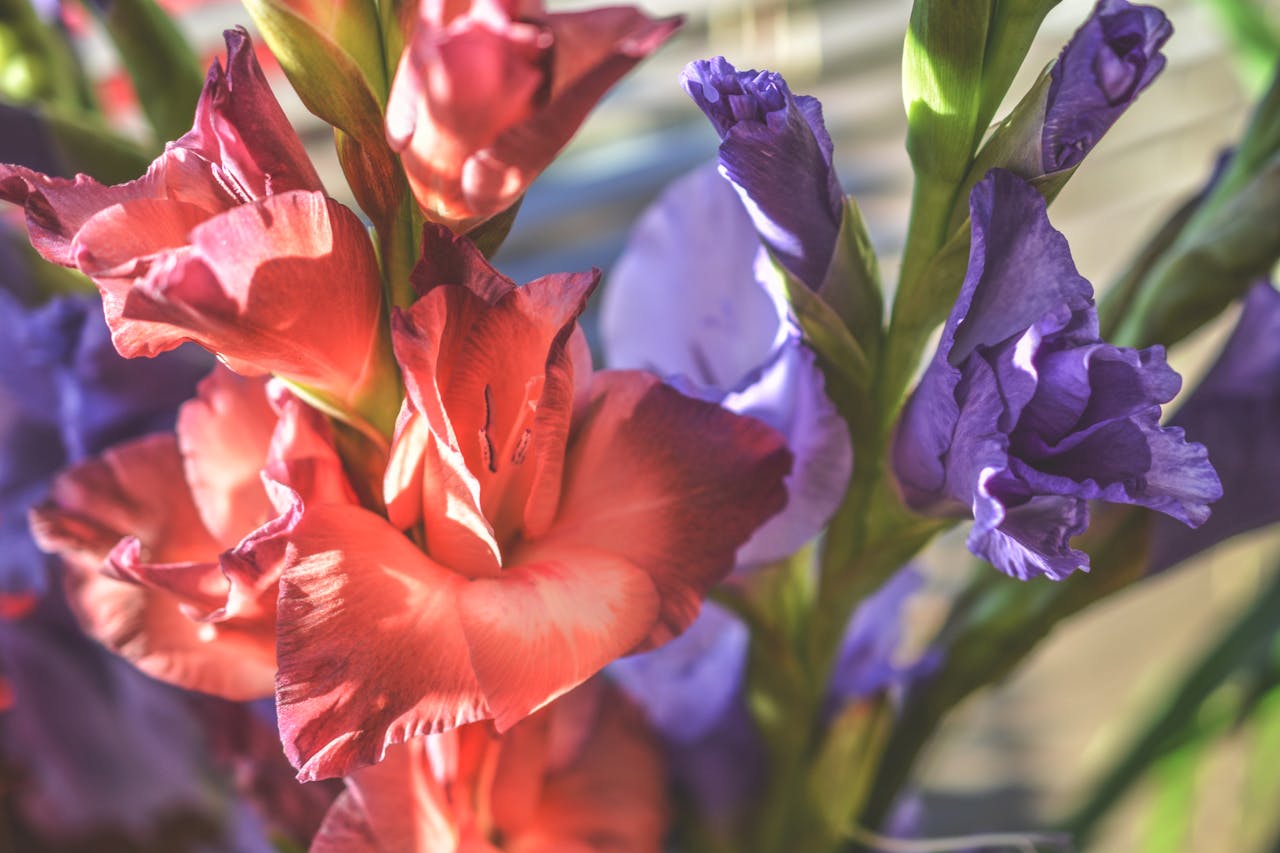

Understanding the critical role of sunlight in the life cycle of these flowers is fundamental to achieving the tall and vibrant spikes that define the species. You must recognize that these plants are adapted to open, sun-drenched environments where they can capture the maximum amount of energy for growth. Without adequate light, the stems will become weak and lean toward the sun, and the flowers will be few and poorly colored. By positioning your garden to take full advantage of the available light, you can ensure a professional-quality display every year.
The primary goal for any successful planting is to provide at least six to eight hours of direct, unfiltered sunlight every day. You should observe your garden throughout the day to identify the areas that receive the most consistent light from morning to evening. High-intensity light is the fuel that drives the rapid development of the foliage and the eventual production of the heavy flower spikes. A professional approach to site selection involves mapping out the shadow patterns of your landscape before you ever start digging.
In regions with extremely hot summer temperatures, a small amount of afternoon shade can actually be beneficial to prevent the delicate petals from scorching. You should aim for a location that gets full morning sun but might be protected from the most intense heat during the late afternoon hours. This balance helps maintain the moisture levels in the plant and ensures that the colors of the blossoms remain true and vibrant. Finding this “sweet spot” in your garden is one of the more nuanced skills of an expert horticulturalist.
The quality of the light is just as important as the quantity when it comes to the overall health and structural integrity of the plant. You should avoid planting under the canopy of large trees or too close to tall buildings where the light is diffused or blocked for long periods. Direct sunlight encourages the development of thick, sturdy cell walls in the stems, which are essential for supporting the weight of the flowers. A well-lit plant is naturally more resilient and less prone to falling over in the wind.
Sunlight intensity and photosynthetic efficiency
Photosynthesis is the internal process by which the plant converts light energy into the chemical energy it needs to build tissue and store resources in the corm. You should think of the broad, sword-shaped leaves of the gladiolus as highly efficient solar panels designed to capture as much light as possible. The more sunlight the leaves receive, the more energy the plant can produce to support its rapid upward growth. This connection between light and energy is the foundation of all professional plant management.
More articles on this topic
When light levels are too low, the plant will enter a state of stress and begin to redirect its limited resources away from flowering and toward survival. You might notice that the leaves become a lighter shade of green and the plant looks overall less robust than those in full sun. This “legginess” is the plant’s attempt to stretch upward to find more light, often resulting in stems that are too weak to stand on their own. Avoiding these conditions is the first step in ensuring a high-quality floral harvest.
In professional greenhouse environments, lighting can be supplemented and controlled to create the perfect conditions regardless of the natural weather outside. You can apply some of these principles to your outdoor garden by using reflective mulches or positioning plants against light-colored walls to increase the ambient light. These small adjustments can make a significant difference in the performance of your flowers, especially in gardens with limited direct exposure. Understanding the physics of light allows you to become a more effective and scientific gardener.
Monitoring the response of different varieties to the light levels in your garden will help you refine your planting plan over several seasons. You may find that some cultivars are more tolerant of partial shade, while others require the most intense sun possible to bloom. Keeping detailed records of these observations allows you to match each plant to its ideal environment for maximum success. This data-driven approach is a hallmark of a professional who is constantly striving for perfection in their horticultural work.
Shadow management and landscape positioning
Managing the shadows cast by other elements in your landscape is a continuous task as the sun’s path changes throughout the growing season. You should be aware of how the shadows from trees, fences, and your own house move across your garden beds from May to September. A spot that is in full sun in the early spring might be in deep shade by mid-summer as the foliage on nearby trees fills in. A professional gardener is always thinking about these spatial and temporal dynamics of light.
More articles on this topic
Pruning back overhanging branches is a simple and effective way to increase the light levels reaching your flower beds without moving the plants themselves. You should aim to create a clear “window” to the sky directly above your gladiolus to ensure they get the maximum benefit from the sun. This work should be done in the early spring before the plants emerge, giving them a bright and open environment from day one. Good landscape maintenance is a key component of successful intensive flower gardening.
The orientation of your planting rows can also influence how much light each individual plant receives throughout the day. You should ideally align your rows in a north-south direction so that the sun can reach both sides of the plants as it moves across the sky. This prevents the plants on one side from being consistently shaded by their neighbors on the other side. Professional row management ensures that every individual in your collection has an equal opportunity to thrive.
Using light-colored gravel or stone paths between your garden beds can help reflect additional light up into the lower parts of the plants. This can be particularly helpful for maintaining the health of the lower foliage and preventing the base of the stems from becoming too damp or shaded. These small design choices contribute to a more professional and well-thought-out garden environment. Every element of your landscape should be working together to support the growth and beauty of your flowers.
Photosynthesis and long-term energy storage
The ultimate goal of providing perfect lighting is not just for the current year’s flowers, but also for the health of the corm for the following season. You must remember that the leaves continue to photosynthesize and store energy long after the last blossoms have faded. Keeping the plants in a well-lit location until the foliage naturally begins to yellow is the best way to ensure a strong start next year. This long-term view of plant health is what distinguishes a professional grower from a casual gardener.
During the late summer and early autumn, the angle of the sun changes and the intensity of the light begins to decrease as the days get shorter. You should ensure that your plants are not suddenly shaded by moving shadows during this critical period of energy accumulation. The more energy the corm can store now, the larger and more impressive the flower spikes will be when they return in the spring. Understanding the cyclical nature of light and growth allows you to work in harmony with the plant’s internal biological clock.
If you find that your garden has become too shaded over the years due to the growth of surrounding trees, you may need to relocate your beds to a sunnier spot. This is a significant undertaking, but it is often the only way to maintain the high quality of your gladiolus collection. Professionalism involves the willingness to make big changes when the environment is no longer supporting the goals of your horticultural practice. A successful gardener is always ready to adapt to the evolving conditions of their land.
Sharing your knowledge about the importance of light with other gardeners can help them achieve better results in their own landscapes. You should encourage others to look at their gardens with a critical eye toward light and shadow management. By fostering a deeper understanding of the fundamental role of sunlight, you contribute to the overall success and beauty of the wider gardening community. Ultimately, your passion for light is a passion for the very source of life in your garden.