
Understanding the nuanced light preferences of these shrubs is one of the most significant factors in achieving both healthy foliage and a prolific flowering display. While they are often associated with shade, the reality is that most varieties require a specific balance of direct sunlight and cooling shade to perform at their professional best. Too much sun can lead to scorched leaves and rapid wilting, while too little sun often results in sparse flowering and weak, leggy stems. Professional garden design always prioritizes the placement of these plants based on the daily movement of the sun and the specific needs of the chosen variety.
The classic recommendation for these plants is a location that provides “morning sun and afternoon shade,” which caters to their physiological need for light without the stress of intense heat. Morning sunlight is cooler and less intense, providing the necessary energy for photosynthesis and flower production before the day reaches its peak temperatures. By the time the afternoon sun is at its strongest, the plant should ideally be protected by the shadow of a building, fence, or taller trees. This balance prevents the large leaves from losing moisture faster than the roots can supply it, a common cause of midday stress.
Light requirements can also vary significantly between different varieties and cultivars, with some being much more sun-tolerant than others. For example, some of the newer breeding lines have been developed specifically to withstand more intense light and heat without the typical leaf burn. Conversely, older or more traditional varieties may require almost total protection from any direct midday sun to maintain their vibrant appearance. Researching the specific characteristics of the plant before selecting its permanent spot is a fundamental step in professional horticultural planning.
Geographic location also plays a major role in determining how much sun a plant can safely handle throughout the day. In northern climates with cooler overall temperatures, these shrubs may thrive in almost full sun for the entire day without showing signs of stress. In southern regions where the sun is much more intense and temperatures are higher, even a few hours of direct light can be too much for the more sensitive types. Adjusting the placement and care based on the local climate is the hallmark of a successful and professional gardening strategy.
Signs of light stress and leaf burn
Learning to identify the visual cues that indicate a plant is receiving too much light is essential for making timely adjustments to its environment. Leaf scorch typically appears as brown, papery edges or large spots in the center of the leaves where the tissue has literally been burned by the sun. This damage is permanent for those specific leaves and can significantly detract from the overall beauty of the shrub for the remainder of the season. If multiple leaves across the plant show these symptoms, it is a clear sign that the current location is providing too much intense sunlight.
More articles on this topic
Bleaching or fading of the foliage and flowers is another common symptom of excessive light exposure, particularly in varieties with darker or more vibrant colors. The intense UV radiation can break down the pigments in the plant’s tissues, resulting in a washed-out or dull appearance that lacks the professional quality desired. In some cases, the leaves may take on a yellowish or silvery sheen as the plant tries to reflect some of the excess light away from its sensitive internal structures. Monitoring these subtle color changes allows the gardener to intervene before more severe physical damage occurs.
Wilt is a physiological response to light and heat stress where the plant loses turgor pressure because it is transpiring faster than it can take up water. While some temporary wilting in the heat of the afternoon is normal, a plant that wilts every day is likely in a spot that is too bright or too hot for its needs. Continuous stress of this kind weakens the plant over time, making it more susceptible to pests and reducing its overall lifespan. Professional care involves recognizing when a plant is struggling and taking steps to provide more shade or more consistent moisture.
In contrast, a plant that is receiving too little light will often exhibit very different but equally problematic symptoms. These “shade-starved” plants tend to have very large, dark green leaves as they try to maximize their light-capturing surface area, but they will produce few, if any, flowers. The stems may become long and spindly as the plant stretches toward the nearest light source, leading to a floppy and unattractive growth habit. Achieving the “sweet spot” of light exposure is a delicate balance that distinguishes the expert grower from the novice.
Optimizing light through garden design
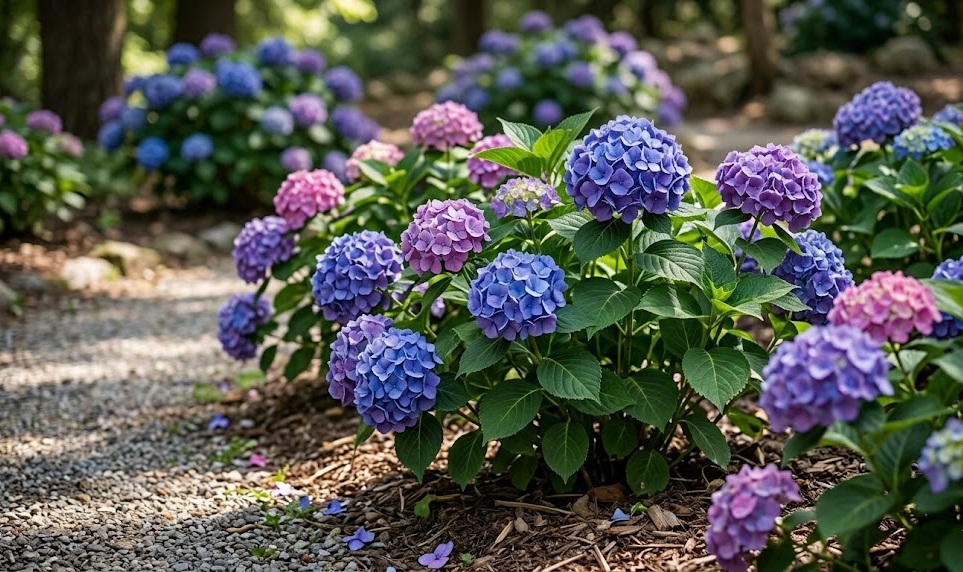
Strategic garden design can be used to create the perfect lighting environment for these shrubs even in less-than-ideal site conditions. Utilizing “dappled shade” is a highly effective technique where the light is filtered through the canopy of taller, deciduous trees before reaching the hydrangeas below. This mimics the plant’s natural woodland habitat and provides a consistent, gentle light that supports healthy growth without the risk of scorching. Choosing trees with an open, airy structure ensures that enough light still reaches the ground to promote good flowering.
More articles on this topic
The use of man-made structures like pergolas, lattice screens, or shade cloths can also provide a professional solution for controlling light levels in the garden. These features allow the gardener to precisely manage the amount and timing of the shade provided to the plants throughout the day. Retractable shade systems are particularly useful, as they can be deployed during the hottest summer months and pulled back during the cooler spring and autumn. This level of environmental control is common in professional nursery settings and can be adapted for the home garden with great success.
The orientation of the planting bed relative to the compass points is a fundamental consideration that should not be overlooked during the planning phase. North-facing walls or fences often provide deep, consistent shade that is ideal for the most sensitive varieties in hotter climates. East-facing locations are generally the most preferred, as they capture the gentle morning sun while providing protection during the hottest part of the day. Understanding these basic principles of landscape geometry allows for more informed and effective plant placement decisions.
Finally, the reflectivity of nearby surfaces can also impact the total amount of light a plant receives, sometimes in unexpected ways. A white-painted wall or a light-colored stone patio can reflect a significant amount of extra light and heat onto the foliage of a nearby shrub. This “indirect sun” can be just as damaging as direct sunlight if the plant is not prepared for it. Professional gardeners account for these secondary light sources when evaluating a site, ensuring that the total environmental stress remains within the plant’s tolerable limits.