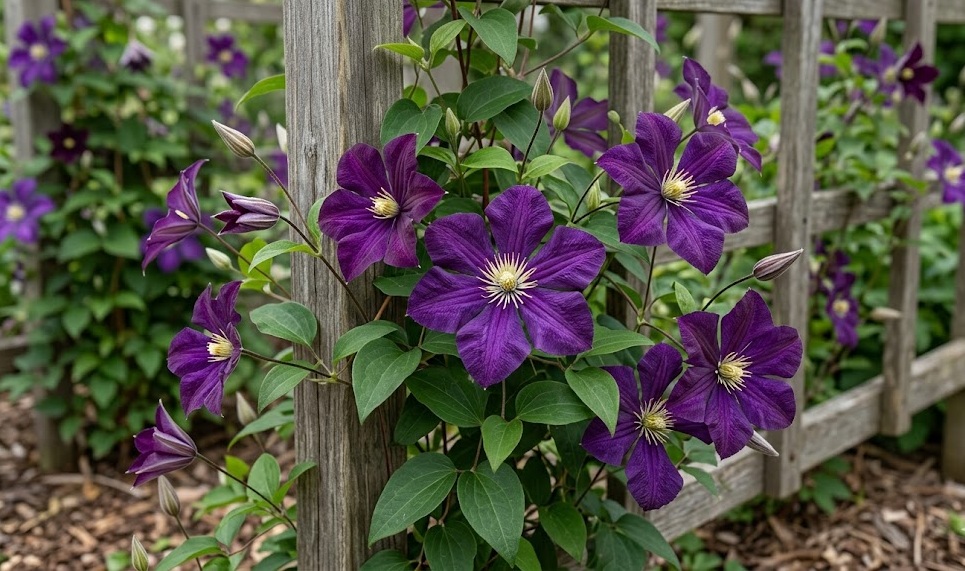

The interplay between sunlight and shadow is one of the most critical factors in successfully growing the garden clematis to its full potential. This particular variety is famous for its large, vibrant blooms, but achieving that display requires a precise balance of environmental light conditions. Understanding how to position your plant to satisfy both its foliage and its root system is a skill that separates the amateur from the professional. This article explores the specific light needs of this climbing beauty and how to optimize your garden’s layout for its success.
Finding the ideal sun and shade balance
The general rule for this climbing vine is that it thrives in a location where it can receive at least six to eight hours of direct sunlight each day. Sunlight is the primary driver of photosynthesis, providing the energy the plant needs to produce its massive and velvety purple flowers. Without enough light, the plant will become “leggy,” with long gaps between the leaves and significantly fewer flower buds. You should look for a spot in your garden that faces east or west to capture the most productive rays of the sun.
However, the garden clematis has a very specific and somewhat contradictory requirement for its root zone that every gardener must respect. While the top of the vine loves to bask in the warm sun, the roots must remain cool and shaded to stay healthy and functional. This is often achieved by planting low-growing shrubs or perennials at the base of the climber to act as a living parasol. Alternatively, you can use decorative stones or a thick layer of organic mulch to shield the ground from the direct heating effects of the afternoon sun.
In very hot climates, providing some protection from the intense midday heat can actually improve the quality and longevity of the flowers. While the plant loves light, the scorching rays of a 100-degree afternoon can cause the purple petals to fade or even burn at the edges. A location that receives full morning sun but enjoys dappled shade during the peak heat of the afternoon is often the most perfect compromise. This ensures the plant gets the energy it needs without suffering from the physical stress of extreme environmental temperatures.
Observing the movement of shadows in your garden throughout the different seasons is a hallmark of a professional approach to landscape design. A spot that is in full sun in June might be in complete shade by September as the sun’s path across the sky changes and lowers. You want to choose a location that offers consistent light during the primary growing and flowering months of late spring and mid-summer. Taking the time to map out these light patterns before you dig the first hole will save you a lot of frustration and disappointment later.
More articles on this topic
Impact of light on flower quality
The intensity and duration of light directly affect the color saturation and the size of the iconic purple blooms this plant is known for. In lower light conditions, you may find that the flowers are smaller and the color is a paler, more washed-out version of the deep violet you were expecting. Sufficient sunlight triggers the production of pigments that give the petals their rich, velvety appearance that gardeners find so desirable. If your plant is struggling to produce a good show, a lack of adequate light is often the first culprit you should investigate.
Light also plays a vital role in the timing of the bloom cycle, acting as a signal to the plant that it is time to transition from leaf growth to flowering. This variety typically blooms on the current year’s growth, meaning it needs plenty of early-season light to fuel the rapid development of its new vines. If the spring is particularly cloudy or if the plant is stuck in a dark corner, the flowering may be delayed by several weeks. Ensuring the plant has a “head start” with good light exposure is the secret to a long and successful flowering season.
Air circulation, which is often closely tied to the openness and light levels of a site, is also essential for maintaining the health of the foliage. Plants grown in dark, cramped, or overcrowded corners are much more likely to suffer from fungal diseases like powdery mildew or various leaf spots. Good light usually means a more open area where the breeze can move freely through the stems and quickly dry off any moisture from rain or dew. This natural drying effect is one of the best organic ways to keep your climbing vines looking lush and healthy all summer.
If you find that your plant is only blooming at the very top of the trellis, it is likely because that is the only part receiving enough light. This is a common problem in small gardens where fences or walls might cast deep shadows over the lower sections of the plant. You can try to mitigate this by using light-colored or reflective surfaces to bounce more sunlight down toward the base of the vine. Strategic pruning can also help open up the canopy to allow more light to penetrate into the center and lower parts of the plant.
More articles on this topic
Placement strategies for different garden types
For those with small urban gardens or balconies, growing this variety in a large container provides more flexibility in managing its light exposure. You can move the pot throughout the season to follow the sun or to provide more shade if the weather becomes unexpectedly hot and dry. However, remember that container-grown plants heat up much faster than those in the ground, so root protection becomes even more critical. A double-potted system, where the main pot sits inside a larger, decorative one with an air gap, can provide excellent insulation.
If you are planting your clematis against a south-facing wall, be aware that this can be a very challenging environment due to the reflected heat. The stone or brick will absorb thermal energy all day and radiate it back at the plant even after the sun has gone down in the evening. This can be too much for some varieties, leading to scorched leaves and stressed root systems if you are not careful with your watering. In these situations, using a trellis that keeps the stems a few inches away from the wall can provide vital cooling airflow.
Planting your climber so that it can grow through a neighboring shrub or a small tree is a classic and very beautiful horticultural technique. This “host plant” provides the natural support the vine needs while also offering the dappled shade that keeps the root zone perfectly cool. You just have to ensure that the host plant isn’t so dense that it blocks all the light from reaching the clematis’s own foliage. This symbiotic arrangement mimics how these plants grow in the wild and often results in a very healthy and natural-looking display.
Finally, always remember that every garden has its own unique microclimate that might defy the general rules found in most gardening books. Your specific elevation, the presence of large nearby buildings, and even the color of your neighbor’s house can all influence the light levels in your backyard. Be prepared to experiment and observe how your plant reacts to its environment over the course of its first two or three years. Being a responsive and attentive gardener is the ultimate key to mastering the light requirements of the garden clematis.