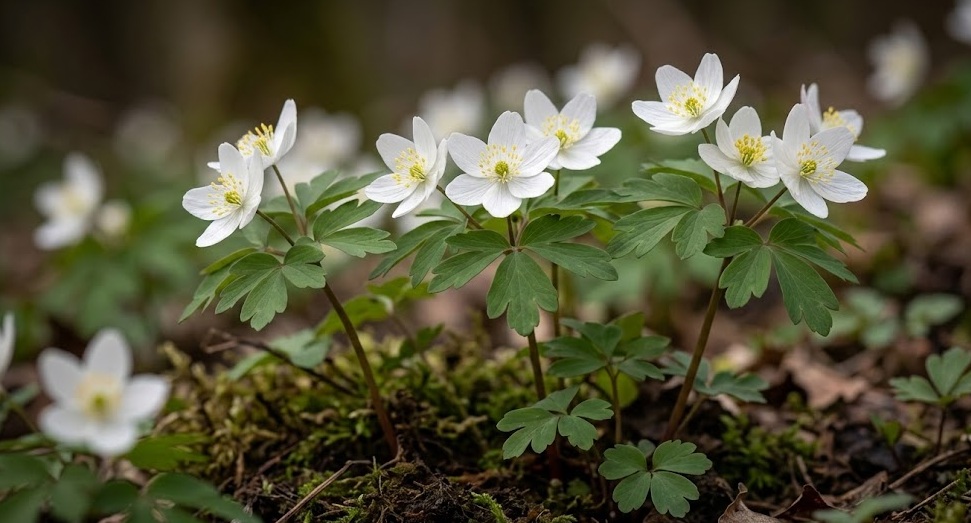

Understanding the specific light needs of forest-dwelling plants is the foundation of creating a successful and authentic woodland garden. You must learn to read the patterns of the sun throughout the year and how they are filtered by the canopy of trees and shrubs. While these plants thrive in the shade, they still require a certain amount of energy from the sun to produce their beautiful spring flowers. A professional approach to light management will ensure your plants are neither starved for energy nor scorched by the sun.
Mastering the shade garden
The ideal light for these species is often described as “dappled shade,” which mimics the natural environment under a deciduous forest canopy. You want the plants to receive bright, indirect light for most of the day, with occasional spots of moving sunlight. This type of lighting provides enough energy for photosynthesis without the intense heat that can damage delicate forest foliage. Achieving this balance is the first step in selecting the perfect location for your new garden additions.
Morning sun is generally much safer and more beneficial than the intense and drying rays of the afternoon sun. If your garden receives a few hours of direct light, try to ensure it happens before noon when the temperatures are still relatively cool. The plants will use this early energy to fuel their growth and prepare for the long, shaded afternoon ahead. Strategic placement on the east side of buildings or larger trees is a practical way to manage this daily light cycle.
Deep, heavy shade under evergreens or in narrow alleyways can often be too dark for these plants to flower well. While they will survive in low light, they may become leggy and produce fewer of the delicate white blossoms you desire. You should aim for a location that feels bright and airy, even if it is not in direct sunlight at any point during the day. Balancing the intensity of the light with the duration of exposure is the key to a vibrant and productive garden.
You can manipulate the light levels in your garden by pruning the lower branches of overhanging trees to allow more light to reach the ground. This “limbing up” technique is a professional way to improve the growing conditions for a variety of woodland and shade-loving species. It creates a more open and brighter environment without sacrificing the protective canopy that the plants need. Small adjustments to your landscape can have a big impact on the health of your forest floor plants.
More articles on this topic
Seasonal light shifts and adaptation
One of the unique features of spring ephemerals is their ability to take advantage of the high light levels in the early spring before the trees leaf out. During this brief window, the forest floor is surprisingly bright, providing the energy needed for rapid growth and flowering. You should ensure that your planting site is not blocked by evergreen structures that might prevent this crucial early-season light. Understanding this seasonal rhythm is essential for anyone wanting to grow these plants successfully.
As the trees develop their full summer canopy, the light levels on the ground will naturally decrease and the temperature will rise. This shift signals to the plant that it is time to finish its active cycle and prepare for its period of summer dormancy. The shade provided by the leaves is vital for keeping the soil cool and protecting the dormant rhizomes from the summer heat. This natural transition is a perfect example of how the forest ecosystem supports the life cycles of its inhabitants.
In the autumn, the light levels increase once again as the leaves begin to fall from the deciduous trees and shrubs. While the plants are mostly dormant during this time, the extra light helps warm the soil and supports any late-season root activity. This variation in light throughout the year is something that these plants have evolved to expect and even require. A successful gardener works with these natural cycles rather than trying to override them with artificial interventions.
You should also consider the orientation of your garden and how the path of the sun changes between the summer and winter solstices. A spot that is perfectly shaded in June might receive surprisingly intense light in March when the sun is lower in the sky. Observing your garden throughout the entire year will give you the professional insight needed to make the best planting decisions. Knowledge of your specific site’s light history is an invaluable tool for any serious plant enthusiast.
More articles on this topic
Identifying and correcting light stress
If your plants are receiving too much light, you will see clear signs of stress on the foliage and overall growth habit. The leaves may develop yellow or brown scorched patches, and the plant might wilt frequently during the middle of the day. You may also notice that the flowering period is very short and the blossoms fade quickly under the pressure of the sun. If you see these symptoms, it is a clear indication that you need to provide more shade or move the plants.
On the other hand, if the light levels are too low, the plants will become weak and may stop flowering altogether. You might see the stems stretching toward the nearest light source, a phenomenon known as etiolation, which results in a floppy and unattractive plant. The leaves may also appear a darker, duller green as the plant tries to maximize its limited photosynthetic capacity. Correcting this usually involves thinning out nearby vegetation or moving the colony to a brighter location.
Temporary shade solutions, such as lattice panels or shade cloth, can be used if you need to protect plants during an unseasonably bright or hot spring. These tools are especially useful for newly moved plants that have not yet established a strong root system to handle the sun. You can remove these structures once the weather moderates or the surrounding trees have provided enough natural cover. Being flexible and responsive to the needs of your plants is the hallmark of an expert caretaker.
Finally, remember that light and moisture are closely linked in any garden environment; more light usually means the soil will dry out more quickly. If you choose a brighter spot, you must be prepared to provide more frequent watering to compensate for the increased evaporation. Finding the “sweet spot” where the light is sufficient for growth but the soil stays cool and moist is the ultimate goal. With a little observation and adjustment, you will create the perfect lighting environment for your woodland treasures.