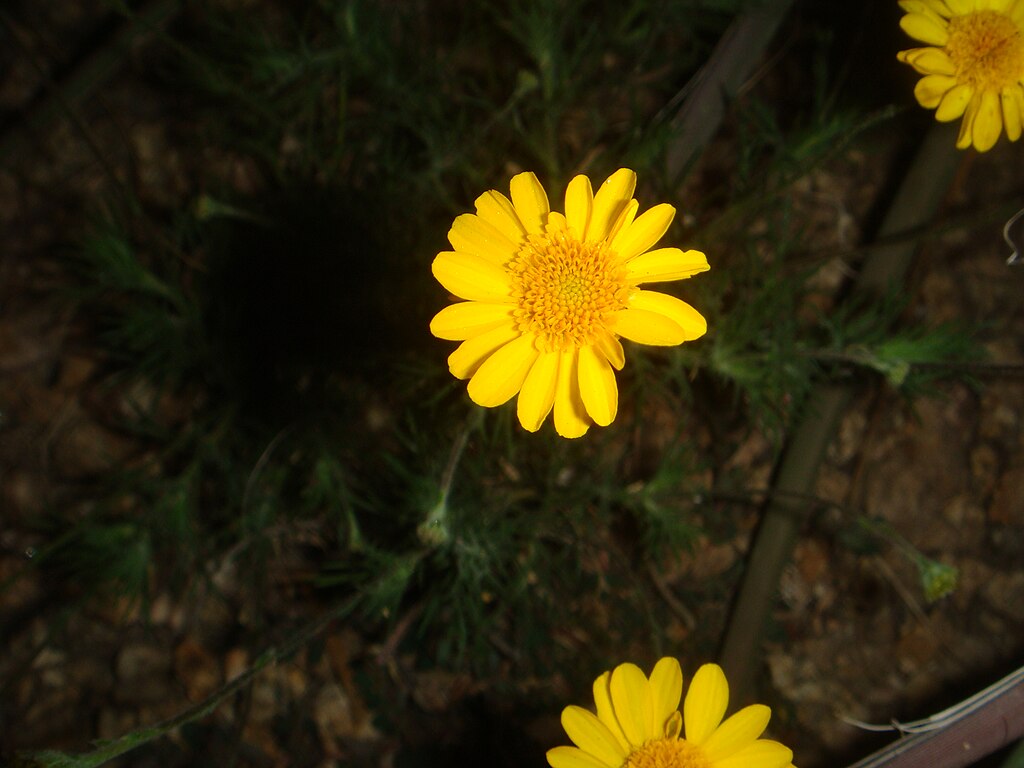

The single most important environmental factor for the success of the Dahlberg daisy is an abundance of direct sunlight. This plant is a true heliophile, meaning it is a lover of the sun, a trait deeply ingrained from its origins in the sun-drenched, open landscapes of Texas and Mexico. To achieve the dense, mounded habit and the profuse, season-long display of cheerful yellow flowers for which it is known, providing it with sufficient light is not just a recommendation, but an absolute necessity. Attempting to grow this plant in shady or partially shaded conditions will invariably lead to disappointment, resulting in a plant that is a pale imitation of its full potential.
For the Dahlberg daisy, light is the primary fuel for photosynthesis, the process through which it creates the energy needed for all of its life functions, including growth and flowering. When exposed to full, direct sun for at least six to eight hours per day, the plant is able to produce enough energy to support both vigorous foliage development and the continuous production of blooms. This high level of light intensity signals the plant to grow in a compact, bushy manner, preventing it from becoming leggy and sparse.
The consequences of inadequate light are stark and quickly apparent. A Dahlberg daisy grown in insufficient sun will exhibit etiolation, a condition where the stems become elongated and weak as the plant literally stretches in search of more light. The foliage will often be a lighter shade of green and will appear much more sparse and delicate. Most notably for the gardener, flower production will be severely diminished or may fail to occur altogether. The plant simply does not have the energy reserves to invest in creating blooms.
Therefore, the selection of a planting site is the most critical decision a gardener will make when cultivating this species. A location with a southern or western exposure, which receives unfiltered sunlight for the majority of the day, is ideal. This applies whether the plant is being grown in a garden bed, a rock garden, a container, or a hanging basket. Understanding and respecting this fundamental requirement for full sun is the foundational step to unlocking the vibrant beauty of the Dahlberg daisy.
The importance of full sun
Full sun is botanically defined as a location that receives six or more hours of direct, unobstructed sunlight per day. For the Dahlberg daisy, this is the minimum requirement for acceptable performance, with eight or more hours being optimal. The intensity of the sunlight is also a factor; the strong, direct light of the afternoon is particularly beneficial for this heat-loving plant. It has evolved to not only tolerate but thrive in the kind of intense solar radiation that would cause many other garden plants to scorch and wilt.
More articles on this topic
This requirement for high light levels directly influences the plant’s morphology and physiology. In full sun, the internodes—the spaces on the stem between the leaves—remain short, resulting in a tight, compact, and mounded growth habit. This dense structure allows the plant to support its vast number of flowers and gives it a lush, full appearance. The high energy production from photosynthesis also fuels the constant development of new flower buds, ensuring a continuous succession of blooms throughout the growing season.
When deprived of full sun, the plant’s hormonal balance shifts. It begins to produce growth hormones that encourage stem elongation, a survival mechanism designed to help the plant reach a light source. This leads to the characteristic leggy appearance, with long, weak stems and sparsely spaced leaves. The plant is redirecting its limited energy resources away from flowering and dense growth and into a desperate search for light. This is why a shaded Dahlberg daisy will never achieve the attractive form seen in nursery photographs or sun-drenched gardens.
Furthermore, direct sunlight plays a role in disease prevention. The sun’s rays help to quickly dry moisture from the plant’s delicate foliage after rain or morning dew. This reduces the amount of time that the leaves are wet, making it much more difficult for fungal spores, such as those that cause powdery mildew and leaf spot, to germinate and establish an infection. A sunny location is therefore not just about aesthetics and flowering; it is also a key component of the plant’s overall health and resilience.
Symptoms of insufficient light
Recognizing the symptoms of insufficient light is crucial for diagnosing problems with a Dahlberg daisy and taking corrective action. The most obvious and telling sign is a lack of flowers. A healthy plant in the right conditions should be covered in blooms, so if your plant is producing very few flowers or none at all, despite being otherwise healthy, inadequate sunlight is the most likely culprit. The plant is in survival mode and is conserving its energy rather than expending it on reproduction.
More articles on this topic
Another clear symptom is leggy growth. Instead of a compact, mounded shape, the plant will appear stretched out and open, with long, spindly stems. You will notice that the distance between the leaves on the stems is much greater than on a plant grown in full sun. This etiolation is often accompanied by a leaning or reaching posture, as the entire plant contorts itself to grow towards the strongest available light source. This results in a weak structure that is more prone to breaking.
The color and density of the foliage can also be indicative of light-deprived conditions. The normally vibrant green, feathery leaves may appear pale or yellowish-green. This is because the plant is producing less chlorophyll, the pigment responsible for both the green color and for capturing light energy. The overall effect is a plant that looks washed-out and lacks the rich, healthy appearance of a sun-grown specimen. The foliage will be noticeably less dense, contributing to the plant’s sparse and unhealthy look.
In severe cases of light deprivation, the plant may begin to shed its lower leaves. This is another energy-saving measure, as the plant divests itself of leaves that are receiving the least amount of light and are therefore contributing the least to photosynthesis. If you notice a combination of these symptoms—poor flowering, leggy stems, pale foliage, and leaf drop—it is a clear message from the plant that it desperately needs to be moved to a much sunnier location in the garden.
Ideal placement in the garden
To ensure your Dahlberg daisy receives the light it craves, careful consideration must be given to its placement. In garden beds and borders, choose a spot on the south or west side of your property that is free from the shadows cast by buildings, trees, or larger shrubs. An open area that receives sun from mid-morning through the late afternoon is perfect. This plant works wonderfully as an edging plant along a sunny walkway or at the front of a border where it will not be overshadowed by taller companions.
In container gardening, you have the flexibility to move the pot to follow the sun. A patio, deck, or balcony with a southern exposure is an ideal location for a potted Dahlberg daisy. Placing it in a hanging basket is another excellent way to ensure it receives maximum light exposure, as it can be hung from a hook where it will receive overhead sun for most of the day. Remember that containers can dry out quickly in full sun, so while the light is perfect, you will need to be more vigilant about checking for water needs.
The Dahlberg daisy is a classic choice for rock gardens or for planting in the crevices of a stone wall. These locations often provide the two things the plant loves most: excellent drainage and reflected heat and light from the stone surfaces. Planting it where it can cascade over the edge of a raised bed or a retaining wall not only looks beautiful but also ensures that the entire plant, including its trailing stems, is exposed to the sun.
When choosing companion plants, be sure to pair the Dahlberg daisy with other species that share its love for sun and tolerance for dry conditions. Good companions include plants like lantana, verbena, portulaca (moss rose), and various succulents. Avoid planting it next to taller, more aggressive plants that might grow to shade it out as the season progresses. By thoughtfully selecting a site that guarantees at least six to eight hours of direct sun, you are providing the most essential ingredient for a spectacular and healthy Dahlberg daisy.
📷Miwasatoshi, CC BY-SA 4.0, via Wikimedia Commons