
Understanding the specific light needs of this species is essential for achieving both aesthetic beauty and a heavy harvest of high-quality fruit. You should realize that while the cornelian cherry is remarkably adaptable, its performance is directly linked to the amount of solar energy it receives. Your goal should be to find the perfect balance between bright sunlight and the cooler conditions that the plant prefers for its overall health. A professional approach to light management ensures that every part of the shrub is productive and vibrant throughout the growing season.
The ideal location for this plant is one that offers full sun for at least six to eight hours a day during the peak of the summer. You will find that maximum light exposure encourages the development of a dense, well-branched structure and an abundance of flower buds for the following spring. Sunlight is the primary driver of the photosynthesis process that produces the sugars needed for sweet, flavorful berries. Providing your shrubs with plenty of light is a professional investment in the quality of your future harvests.
In regions with particularly intense summer heat, you might find that the plant performs better with some light afternoon shade to protect it from scorching. While it loves the light, the combination of high temperatures and direct sun can sometimes stress the foliage and lead to premature fruit drop. You should observe your plants during the hottest part of the year to see if they show signs of wilting or leaf curl that could be corrected with better placement. A professional gardener is always ready to adapt their plans based on the specific microclimate of their site.
The orientation of your planting site also plays a significant role in the amount of effective light the shrub receives throughout the year. You should consider how the path of the sun changes across the seasons and how nearby structures or larger trees might cast shadows. A south-facing slope or a position on the edge of a woodland can provide the perfect light environment for the cornelian cherry to thrive. Taking the time to analyze the light patterns in your garden before planting is a hallmark of an expert approach to horticulture.
Shade tolerance
One of the most valuable characteristics of this species is its ability to grow and even produce fruit in partial shade conditions. You can use this adaptability to add productive life to areas of your garden where more light-demanding plants might struggle to survive. While the growth might be slightly slower and the fruit crop less heavy than in full sun, the plant will still maintain its healthy appearance and decorative value. This flexibility makes it a professional choice for a wide variety of landscape designs and edible garden projects.
More articles on this topic
You should be aware that plants grown in deeper shade will naturally develop a more open and leggy habit as they reach for the available light. You can manage this growth pattern through professional pruning to ensure that the shrub remains attractive and structurally sound over time. It is important to realize that the risk of certain fungal diseases might increase in shaded areas due to lower air temperatures and higher humidity. Maintaining good spacing and airflow is even more critical for specimens that are not receiving the drying benefits of full sun.
The quality of the light is just as important as the quantity when you are considering the needs of the cornelian cherry in your landscape. Dappled light beneath a canopy of taller, deciduous trees mimics the plant’s native forest environment and can be very successful. This type of light provides a balance of energy and protection that many gardeners find leads to very healthy and long-lived plants. Your role is to understand these subtle differences in light quality and how they affect the growth and development of your shrubs.
Monitoring the leaf color and fruit ripening in shaded areas will give you clues about whether the plant is receiving enough energy to meet your expectations. If you find that the fruit is not ripening properly or the plant seems weak, you might consider thinning out the overhead canopy to allow more light to reach the shrub. This proactive management of the light environment is a professional skill that can significantly improve the performance of your garden. A successful gardener is always looking for ways to optimize the natural resources available to their plants.
Photosynthesis and fruiting
The relationship between light exposure and fruit production is one of the most important aspects of growing the cornelian cherry for culinary use. You should understand that the plant begins to form its flower buds for the next year during the height of the current summer. If the plant is shaded during this critical period, it may produce fewer flowers and a much smaller crop the following spring. Providing adequate light during the summer months is essential for maintaining a consistent and professional yield from your orchard or garden.
More articles on this topic
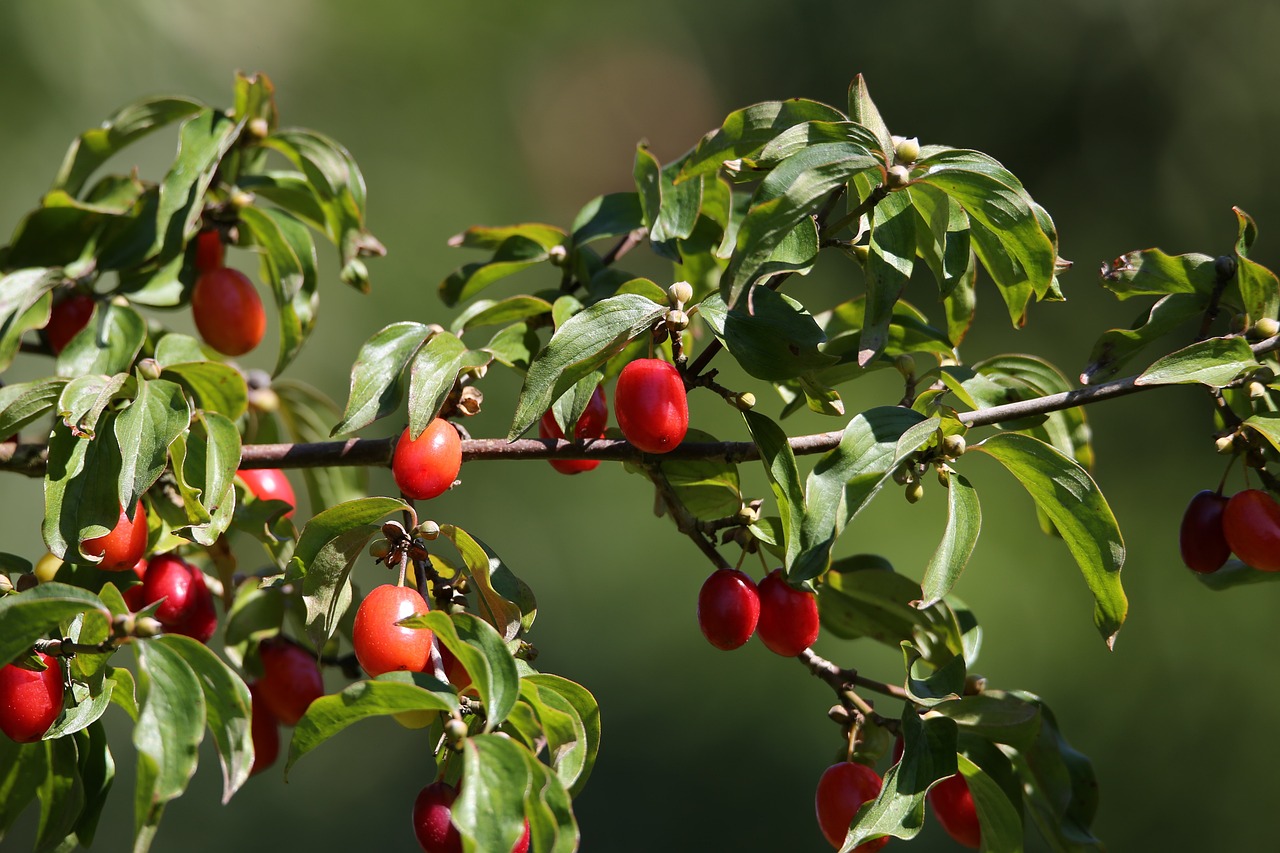
Light also plays a vital role in the development of the anthocyanins and other antioxidants that give the berries their characteristic deep red color. You will find that fruit that is well-exposed to the sun tends to have a more complex flavor and a higher nutritional value than fruit grown in deep shade. Ensuring that sunlight can reach into the center of the shrub by proper pruning is a professional technique that improves the quality of the entire harvest. Every ray of sun that reaches a developing berry contributes to its eventual taste and health benefits.
During the ripening phase in late summer, the amount of light directly influences the speed at which the sugars accumulate in the fruit. You should monitor the progress of the harvest and notice how the berries on the sunnier side of the plant often ripen several days before those in the shade. This uneven ripening can be managed by harvesting in several passes, ensuring that you only pick the fruit when it is at its absolute peak of quality. A professional harvest is a careful and deliberate process that respects the natural timing of the plant.
Finally, you should consider the impact of light on the overall health and immune system of the cornelian cherry through the process of photosynthesis. A plant that is well-fed with light is much better able to produce the chemical defenses it needs to fight off pests and diseases. You will see that the most productive and healthy specimens in any collection are almost always those that have been given the best light environment. Your commitment to understanding and meeting these light requirements is the foundation of your success as a professional grower of this exceptional plant.