
Understanding the light requirements of the cape daisy is the most important factor in determining where to place these stunning plants in your garden. As descendants of sun-drenched South African landscapes, they have evolved to thrive in high-intensity light environments that stimulate their metabolic processes. Without adequate sunlight, the plants will struggle to produce their characteristic vibrant blooms and may become weak and susceptible to disease. By optimizing the light exposure for each specimen, you can ensure a spectacular and long-lasting floral display.
For the most prolific blooming and the strongest structural growth, cape daisies should ideally receive at least six to eight hours of direct sunlight every day. This intense light provides the energy needed for photosynthesis, which in turn fuels the production of the pigments that give the petals their deep, rich colors. You will notice that plants grown in full sun have a much more compact, bushy habit compared to those in shaded areas. The stems are thicker and more resilient, allowing them to support the weight of multiple flower heads without drooping.
Morning sun is particularly beneficial because it helps to dry the dew from the foliage, which is a key preventive measure against fungal diseases. The light during the early part of the day is also less intense than the scorching afternoon sun, allowing the plant to photosynthesize efficiently without excessive heat stress. If your garden has limited options, prioritize an eastern or southern exposure to give your daisies the best possible start to their daily cycle. Observe how the light moves across your property throughout the seasons to identify the most stable sunny spots.
In regions where the summer temperatures are exceptionally high, a bit of strategic afternoon shade can actually be beneficial for the plants. While they love the light, the combination of extreme heat and direct sun can sometimes cause the flowers to close up or the foliage to wilt temporarily. Providing some filtered light or light shade during the hottest hours, typically from two to five in the afternoon, can help the plant conserve moisture. This balance ensures that the daisy remains active and attractive even during the most challenging weeks of the mid-summer season.
Managing light for optimal performance
If you notice that your cape daisies are becoming “leggy,” with long, thin stems and very few leaves, it is almost certainly a sign of insufficient light. In their search for energy, the plants will stretch toward the nearest light source, sacrificing their compact shape and structural integrity. These shaded plants also produce significantly fewer flowers, and the blooms they do have are often smaller and less intensely colored. Moving the plant to a sunnier location is the only effective way to correct this growth habit and restore its health.
More articles on this topic
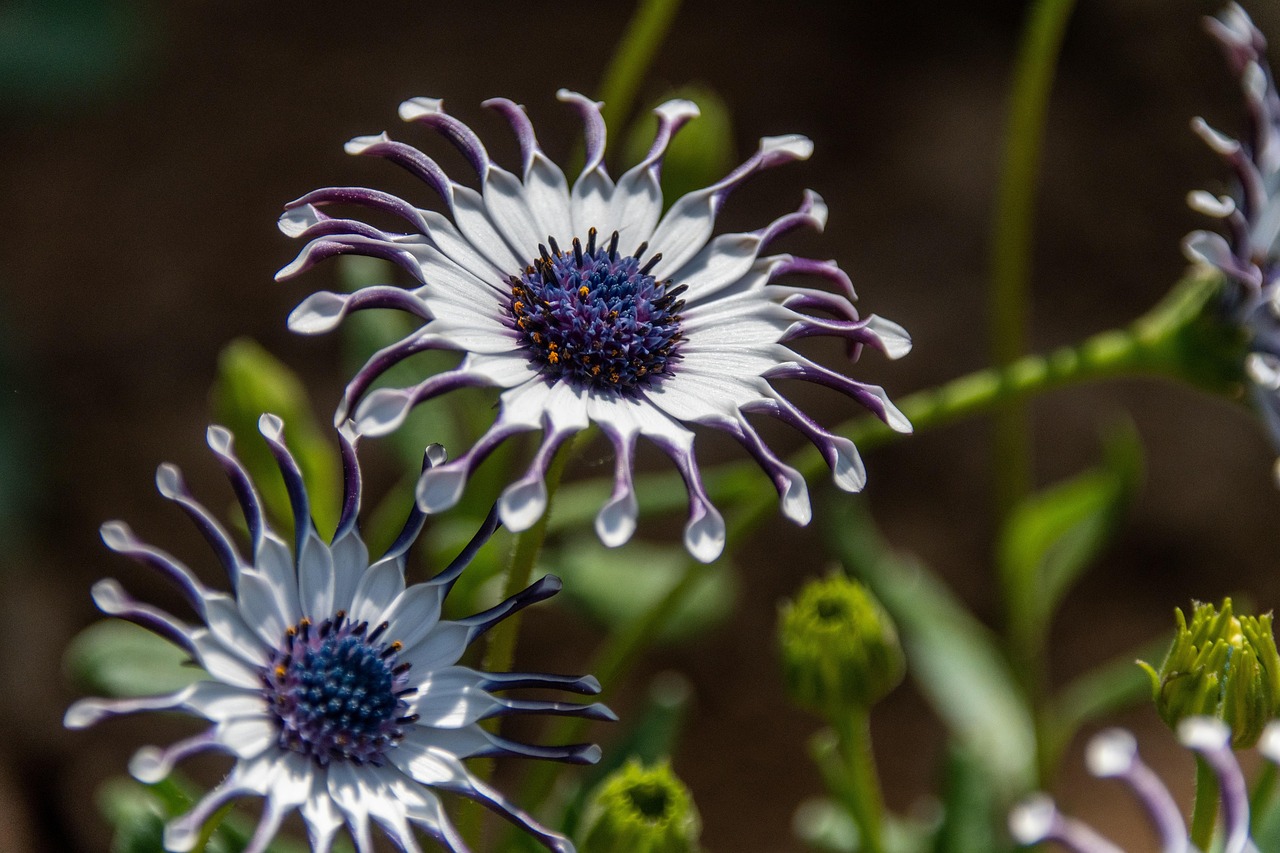
Light intensity also influences the daily behavior of the daisy’s flowers, which are known for their “nyctinastic” movements. Many varieties will close their petals at night or during very cloudy, dark days to protect their reproductive parts and conserve energy. This means that if you plant them in a spot that is too shaded, the flowers may never fully open, depriving you of their beauty. To enjoy the full “daisy” effect, ensure they have enough direct light to signal to the plant that it is time to unfurl its petals.
For those growing cape daisies in containers on balconies or porches, the orientation of the building can create unique light challenges. A south-facing balcony will provide the most consistent and intense light, while a north-facing one may be too dark for successful cultivation. You can use reflective surfaces or white-painted walls to bounce additional light onto your plants if they are in a marginally shaded spot. Rotating your pots every few days will also ensure that all sides of the plant receive an equal amount of light for symmetrical growth.
Seasonal changes in the angle of the sun mean that a spot that is sunny in June might be in deep shade by September. As a professional gardener, you should be aware of these shifts and be prepared to move your containers to follow the light. For plants in the ground, consider the height of neighboring trees or shrubs that may cast longer shadows as the season progresses. Keeping the surrounding vegetation pruned back will help maintain the light levels your daisies need for their final autumn blooming period.
Light needs for indoor and transition periods
When you are starting your cape daisies from seeds or cuttings indoors, the light requirements are even more critical than they are in the garden. Young seedlings are incredibly sensitive to low light and will become weak and unusable within just a few days if they are not provided with enough energy. Placing your seed trays in the brightest window possible is a good start, but in many climates, this is still not enough for professional results. Using high-quality LED or fluorescent grow lights placed just a few centimeters above the plants will ensure they grow strong and stocky.
More articles on this topic
During the overwintering phase, the plant’s light needs decrease significantly as its metabolism slows down, but it still cannot survive in total darkness. A bright, unheated room or a garage with a large window is usually sufficient to keep the plant alive through the dormant months. If the plant is kept too dark for too long, it will begin to drop its leaves and may eventually die from a lack of energy reserves. Providing even a few hours of indirect light each day helps the daisy maintain its core health until it can return to the garden.
The transition period from indoors to outdoors in the spring requires a very careful management of light exposure. Even though the plant loves the sun, its leaves have become “soft” in the lower light levels of the winter and can be easily burned by the intense UV rays of the spring sun. This phenomenon, known as solar radiation damage, appears as bleached or white patches on the foliage. Gradually increasing the exposure to direct sunlight over a period of ten to fourteen days allows the plant to build up its natural defenses.
Finally, remember that the “light requirement” of a plant is a dynamic factor that interacts with water and temperature. A plant in full sun will need much more water than one in partial shade because it is processing energy and transpiring moisture at a much higher rate. By understanding this relationship, you can adjust your care routine to match the specific conditions of your garden’s microclimates. Your cape daisies will reward this attention to detail with a spectacular display of color that lasts from the first spring sun to the last autumn light.