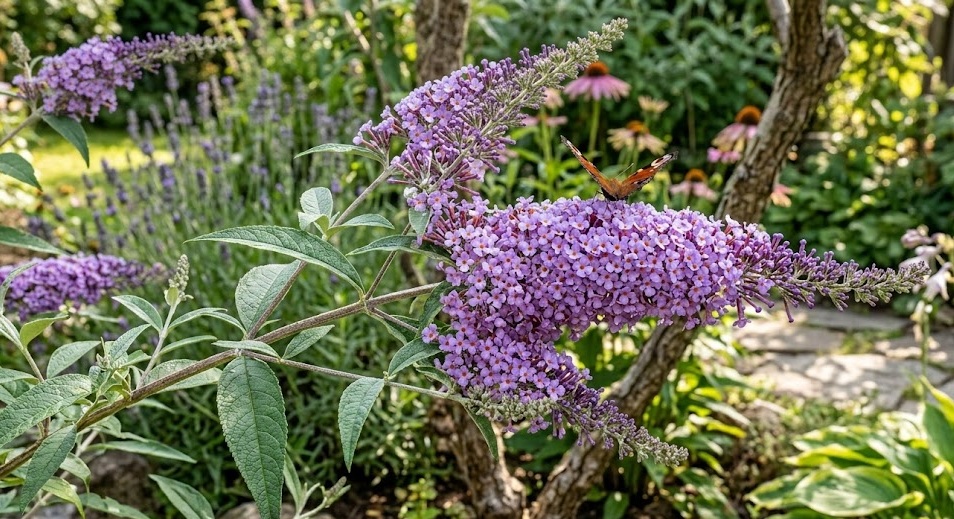

Understanding the light requirements of a butterfly bush is the foundation for a successful and professional landscape design. As its name suggests, this plant is a magnet for pollinators, but its ability to attract them depends heavily on the energy it receives from the sun. The butterfly bush is a classic sun-loving species that relies on intense light to drive its rapid growth and the production of its iconic, nectar-rich flowers. Without the correct balance of light exposure, the plant will struggle to reach its full potential, resulting in a sparse and lackluster appearance in your garden.
The importance of full sun exposure
To achieve the best results with a butterfly bush, you must provide it with a location that receives full sun for the majority of the day. In professional gardening terms, “full sun” means at least six to eight hours of direct, unobstructed sunlight during the peak growing season. This intense energy is what allows the plant to produce the massive amounts of biomass and floral tissue that it is known for. If the plant is shaded for too much of the day, it will become “leggy,” meaning the stems will grow long and thin as they reach for the light.
Sunlight also plays a critical role in the intensity of the floral fragrance and the amount of nectar produced by the flowers. A butterfly bush grown in a sunny spot will be much more attractive to butterflies and bees than one grown in the shade. The heat from the sun helps to volatilize the aromatic oils in the flowers, filling your garden with that signature honey-like scent. For a professional who wants to maximize the ecological value of their garden, providing maximum light is the most effective strategy.
The timing of the light exposure can also influence how the plant develops throughout the season. Morning sun is particularly beneficial because it helps to dry any dew or moisture from the leaves, reducing the risk of fungal diseases like powdery mildew. If the plant is in a spot where it only receives late afternoon sun, it may experience more heat stress during the hottest part of the day. Whenever possible, a location that offers a balanced exposure from late morning through mid-afternoon is considered the gold standard for this species.
You should also consider the seasonal changes in the sun’s path when choosing a permanent spot for your shrub. A location that seems perfectly sunny in the height of summer might be shaded by a nearby building or a large deciduous tree in the late spring or early autumn. Observing the light patterns in your garden throughout the year will help you make a more informed and professional decision. Ensuring that the light remains consistent during the entire flowering period is the key to a long and successful blooming season.
More articles on this topic
Managing shade and its consequences
While the butterfly bush is a resilient plant, it does not perform well in shady conditions, and you should avoid planting it under a dense canopy. In partial shade, the plant’s overall vigor is significantly reduced, and you will notice a marked decrease in the number and size of the flower spikes. The foliage may also become a paler green as the plant struggles to photosynthesize effectively with limited light. This stress makes the shrub more susceptible to pests and diseases that it would otherwise be able to resist.
If you find yourself in a situation where a butterfly bush is being shaded by neighboring plants that have grown larger over time, you may need to intervene. Selective pruning of nearby trees or thinning out other tall shrubs can help restore the light levels that the butterfly bush needs to thrive. This is a common part of professional landscape maintenance, as gardens are dynamic systems that change every year. Staying on top of these spatial relationships ensures that every plant in your design continues to receive the resources it requires.
For gardens that are naturally shaded, it is often better to choose a different species rather than trying to force a butterfly bush to grow in a suboptimal environment. There are many other flowering shrubs that are better adapted to lower light levels and will look much more professional in those settings. Attempting to grow a sun-loving plant in the shade usually leads to a frustrated gardener and a struggling plant that never looks its best. A professional approach always matches the right plant to the right place.
In some cases, you might notice that a plant grown in partial shade produces flowers that are less vibrant in color. The pigments in the blossoms often require high light levels to reach their full saturation and beauty. If your goal is a high-impact floral display, the light requirement is a non-negotiable factor in your care routine. By understanding and respecting the plant’s biological need for the sun, you ensure that it remains a healthy and striking feature in your landscape for years to come.
More articles on this topic
Adapting light needs to different climates
The intensity of the sun varies significantly depending on your geographical location, which can affect how you manage your butterfly bush. In more northern or cooler climates, you can almost never provide too much sun, and the plant will appreciate every hour of light it can get. In these regions, placing the shrub against a south-facing wall can provide extra heat and light, helping it to grow faster and bloom earlier. This “microclimate” management is a sophisticated way to get the most out of your plants in a shorter growing season.
In very hot, southern climates, however, the afternoon sun can sometimes be too intense even for a sun-loving plant like the butterfly bush. During extreme heatwaves, the combination of high temperatures and direct sunlight can cause the leaves to scorch or the flowers to wilt prematurely. In these specific environments, providing a little bit of dappled shade during the hottest part of the afternoon can actually be beneficial. This prevents the plant from becoming overly stressed while still providing enough total energy for it to bloom successfully.
Soil moisture management becomes even more critical when a plant is situated in the full, hot sun. The rate of evaporation from both the soil and the leaves is much higher in sunny locations, meaning you will need to be more diligent with your irrigation. A professional mulching routine, as discussed previously, is the best way to offset the drying effects of the sun. This allows you to provide the high light levels the plant needs without sacrificing the hydration of the root system.
Ultimately, the goal is to find the “sweet spot” where the plant receives maximum energy with minimum stress. By observing how your specific variety of butterfly bush reacts to the light in your unique garden environment, you can make the necessary adjustments. Whether it’s providing extra water during a sunny spell or thinning out nearby branches to let more light in, your professional attention makes all the difference. Understanding the power of the sun is the first step toward creating a world-class butterfly garden.