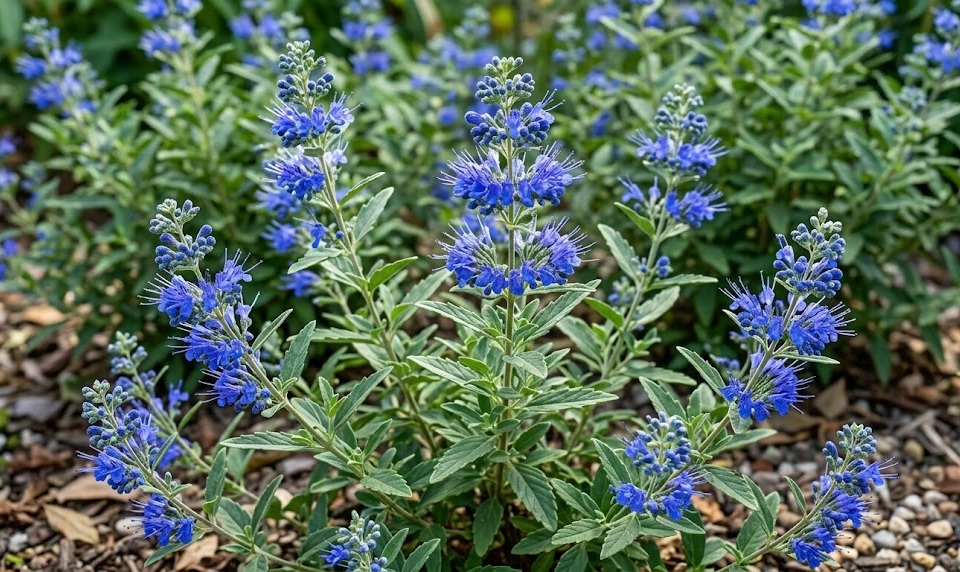

The relationship between the bluebeard and sunlight is the most fundamental aspect of its successful cultivation in any professional landscape. As a species that has adapted to open, sun-drenched environments, its physiological processes are finely tuned to high light intensities. Understanding how light affects everything from foliage color to the density of the floral display is essential for placing this shrub effectively. By prioritizing its light needs, you can unlock the full ornamental potential of the bluebeard and ensure it remains a healthy, structural element in your garden design.
The necessity of full sun exposure
To achieve the best results with a bluebeard, you must provide it with a location that receives full sun for the majority of the day. In horticultural terms, this means at least six to eight hours of direct, unfiltered sunlight during the peak of the growing season. This high level of light is necessary to fuel the photosynthesis required for the plant’s rapid growth and intense late-summer blooming. Without enough sun, the plant will struggle to produce the energy it needs to sustain its vibrant blue flowers and aromatic oils.
Sunlight also plays a critical role in maintaining the structural integrity of the shrub’s stems. When grown in full sun, the internodes (the space between the leaves) remain short, resulting in a compact and sturdy plant that can support its own weight. You will notice that sun-grown specimens have a much tighter, more rounded habit that requires less manual shaping over time. This architectural strength is one of the many reasons why professional designers favor this plant for structural borders and low hedges.
The intensity of the sun also directly impacts the color of both the foliage and the blossoms. Many cultivars of bluebeard have silver or variegated leaves that only reach their true brilliance when exposed to bright light. In lower light conditions, these colors can fade to a dull green, and the blue of the flowers may appear washed out or pale. If you want that striking contrast between the cool blue petals and the silvery leaves, a sunny spot is non-negotiable.
In addition to visual benefits, full sun exposure helps to keep the plant healthy by reducing the incidence of fungal diseases. The heat of the sun quickly dries out the foliage after a rain or heavy morning dew, creating an environment that is hostile to many pathogens. This natural sanitation is a key part of the plant’s defense mechanism and significantly reduces the need for chemical interventions. A sunny location is the simplest and most effective way to ensure a low-maintenance, high-performance shrub.
More articles on this topic
Impact of shade on growth and flowering
If a bluebeard is planted in a location that is too shady, its growth habit will change significantly as it tries to reach for more light. The stems will become elongated and weak, a condition known as etiolation, which often causes the plant to flop over under its own weight. Instead of a compact, attractive mound, you will end up with a sprawling, messy specimen that lacks the visual impact intended. This legginess is one of the most common signs that the plant is not receiving adequate light.
Flowering is also severely compromised when the plant is deprived of the sunlight it craves. You might find that the flower clusters are much smaller and more widely spaced along the stems, leading to a sparse and disappointing display. In deep shade, the plant may fail to bloom altogether, as it lacks the energy reserves to produce reproductive structures. For a shrub that is primarily grown for its late-season color, this loss of flowering is a major drawback for any gardener.
The aromatic qualities of the foliage, which are a hallmark of the bluebeard, are also diminished in the shade. The production of the essential oils that give the leaves their spicy scent is a light-dependent process. If you crush a leaf from a shade-grown plant, you will likely find that the fragrance is much weaker than that of a plant grown in full sun. This also means the plant is less effective at repelling the pests that its scent usually keeps at bay.
Over time, a bluebeard stuck in too much shade will lose its vigor and may eventually die as it becomes more susceptible to stress and disease. The weakened stems and damp environment of a shady spot are an open invitation for root rot and foliar fungi. If you notice your plant is struggling in a shady corner, the best professional advice is to move it to a sunnier location as soon as possible. Giving the plant the light it needs is the first step in any successful restoration effort.
More articles on this topic
Orientation and placement strategies in the landscape
When planning your garden layout, consider the movement of the sun throughout the day to find the most “high-value” light spots for your bluebeard. South-facing locations are generally the best, as they receive the most consistent and intense light during the middle of the day. West-facing spots are also excellent, although the intense heat of the late afternoon sun can be stressful in very hot climates. East-facing locations may work, provided the plant is not shaded by buildings or large trees by mid-morning.
Think about the shadows cast by other elements in your garden, such as fences, walls, or taller shrubs. A spot that looks sunny in the early spring might be in deep shade by mid-summer once the surrounding trees have fully leafed out. You should observe the light patterns at different times of the year to ensure the bluebeard has the sun it needs when it matters most—during its peak growth and flowering months. Professional site analysis is a vital part of long-term garden success.
The bluebeard’s light needs make it a perfect candidate for “hot” spots in the garden where other, more delicate plants might wither. It thrives in gravel gardens, near reflective paved areas, or along south-facing foundations where the light and heat are amplified. These challenging environments are where the bluebeard truly shines, showing off its drought tolerance and sun-loving nature. By placing it in these high-light zones, you are working with the plant’s strengths rather than against its limitations.
Finally, consider the aesthetic impact of how light interacts with the plant’s textures and colors. The silvery leaves of many bluebeard varieties are particularly beautiful when backlit by the low sun of a late summer evening. By positioning the plant where it can catch this “golden hour” light, you can create a magical focal point in your autumn landscape. A professional gardener thinks not just about the plant’s survival, but about how to showcase its beauty through strategic placement and light management.