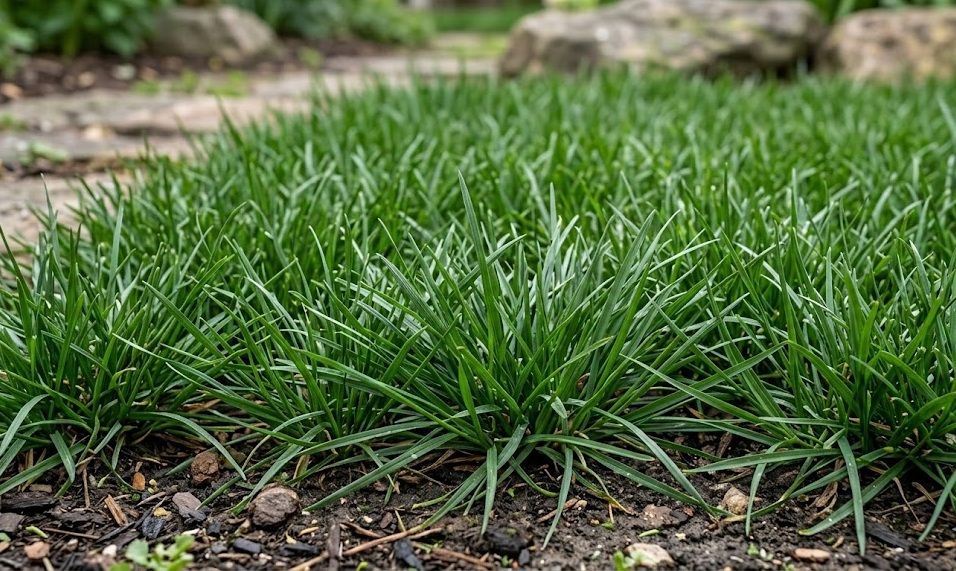

Light is the fundamental energy source that drives photosynthesis and allows your lawn to produce the fuel it needs for growth and survival. Tall fescue is widely regarded as one of the most shade-tolerant cool-season grasses, but it still has specific requirements that must be met for it to thrive. Understanding how light levels affect the physiology and growth habits of the grass allows you to manage your landscape more effectively. By optimizing the light environment and adjusting your care according to the available sun, you can maintain a lush and uniform turf even in challenging areas.
Photosynthesis and energy balance
Like all green plants, this grass variety uses sunlight to convert water and carbon dioxide into chemical energy in the form of sugars. This process, known as photosynthesis, takes place primarily in the leaves and is the foundation for all other biological functions, from root growth to disease resistance. When light levels are insufficient, the plant cannot produce enough energy to maintain its complex internal systems, leading to a decline in health. This is why grass in heavily shaded areas often looks thin, pale, and weak compared to areas in full sun.
The amount of light a lawn needs is often measured in “daily light integral” or the total amount of photosynthetically active radiation received over twenty-four hours. For this species, a minimum of four to six hours of direct sunlight, or a longer period of filtered light, is generally required for long-term viability. If the light falls below this threshold, the plant will start to prioritize top growth to reach more light, resulting in long, thin blades and a poorly developed root system. This “leggy” growth is a clear signal that the plant is struggling to balance its energy budget.
In full sun, the grass is able to produce an abundance of energy, which it uses to build thick cell walls and a robust root architecture. These physical characteristics make the turf much more resistant to heat, drought, and the wear and tear of daily use. Sunlight also helps keep the surface of the lawn dry, which is a major factor in preventing the development of many common fungal diseases. While the grass can handle some shade, it is always at its most professional and resilient when it has access to plenty of direct sunlight.
Understanding the difference between direct sun, filtered light, and deep shade is essential for any professional landscape manager. Filtered light, such as that found under the canopy of a high-branching tree, can often be enough to support a decent lawn if the maintenance is adjusted accordingly. Deep shade, however, where almost no direct light reaches the ground, is usually too hostile for any grass species to survive for long. Recognizing these different light zones in your garden allows you to make better decisions about where to plant and how to care for your turf.
More articles on this topic
Managing shade in the landscape
If your lawn is struggling due to lack of light, there are several professional techniques you can use to improve the situation without removing your beloved trees. Pruning the lower branches of large trees, a process known as “limbing up,” allows more sunlight to reach the ground at different angles throughout the day. You can also thin out the internal canopy of dense trees to let more filtered light pass through to the grass below. These actions not only help your lawn but can also improve the health and appearance of the trees themselves.
The reflective properties of surrounding structures, such as light-colored walls or fences, can sometimes be used to increase the light levels in shaded corners. While this might seem like a small factor, every extra bit of light helps the grass produce the energy it needs to stay healthy. You should also be mindful of how temporary objects, like large umbrellas or garden structures, might be creating “artificial shade” that stresses the lawn. Maintaining a professional garden requires you to look at the entire light environment and how it changes throughout the season.
In areas where the shade is simply too deep for any grass to thrive, it may be better to consider alternative ground covers or landscaping features. Forcing grass to grow in a place where it doesn’t have the light it needs is a recipe for constant frustration and wasted resources. Moss, shade-loving perennials, or even a decorative mulch bed can be much more attractive and easier to maintain in these challenging spots. A professional approach involves knowing the limits of your plants and working with the environment rather than against it.
When establishing a new lawn in a partially shaded area, it is wise to choose specific cultivars that have been bred for better shade tolerance. Many modern varieties of this species have been selected for their ability to maintain density and color even when light levels are less than ideal. Mixing these shade-tolerant seeds with standard varieties ensures that your lawn has the best chance of looking uniform across both the sunny and shady parts of your property. This strategic approach to seed selection is a hallmark of high-level turf management.
More articles on this topic
Adjusting maintenance for low light
When grass is growing in the shade, its entire metabolism slows down, meaning it requires a different approach to maintenance than grass in full sun. You should always mow shaded grass at a higher setting, typically half an inch to an inch taller than the rest of the lawn. This extra leaf surface area allows the plant to capture as much of the limited light as possible, helping it to produce more energy. It also reduces the stress on the plant, as every cut is a major event for a grass that is already struggling to balance its energy budget.
Fertilization needs are also significantly lower in the shade because the grass is not growing as fast and therefore doesn’t need as many nutrients. Applying too much nitrogen to a shaded lawn can actually be harmful, as it forces the plant to grow more than its light levels can support. This leads to weak, succulent tissue that is very susceptible to disease and physical damage. A professional manager will typically reduce the fertilizer rate by half for the shaded portions of the landscape to maintain the best possible health.
Irrigation in shaded areas must be handled with great care to avoid creating a permanently damp environment that encourages fungal growth. Because the sun is not there to evaporate excess moisture, shaded soil stays wet much longer than soil in sunny areas. You should water these zones less frequently and always early in the morning to give the foliage plenty of time to dry out. Overwatering in the shade is one of the quickest ways to kill an otherwise healthy lawn and invite pests and pathogens into your garden.
Finally, you should do your best to minimize foot traffic and other forms of stress on shaded grass, as it has a very limited ability to repair itself. When the plant is in an energy-deficit state, it cannot quickly grow new tissue to fill in bare spots or recover from being crushed. Keeping these areas clear of debris and ensuring they have the best possible soil conditions will give the grass the best chance of survival. A successful professional lawn is the result of a deep understanding of the relationship between light, energy, and maintenance.