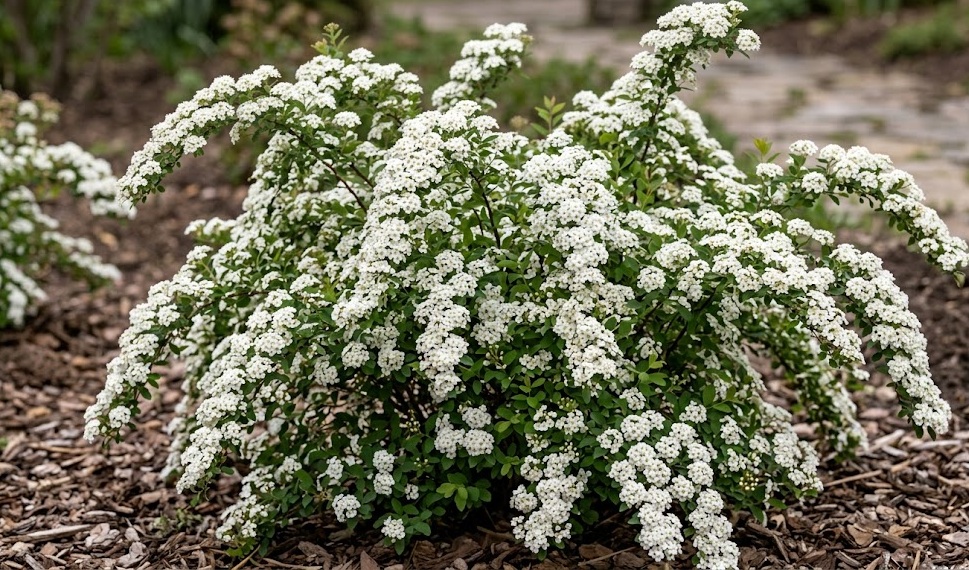

Light requirements of spiraea are a fundamental aspect of their care that directly influences their growth habit, foliage color, and flowering potential. While these shrubs are generally categorized as adaptable, providing the right amount of solar energy is key to achieving a professional-quality look in your garden. Most varieties perform their best when they have access to a significant amount of direct sunlight throughout the day. Understanding how light interacts with the biology of these plants will help you choose the best location for them in your landscape.
The intensity and duration of sunlight can vary significantly depending on your geographical location and the time of year. In the northern regions, these plants can often handle full sun all day long without any issues, even during the peak of summer. However, in hotter southern climates, some afternoon shade can help prevent the foliage from scorching during extreme heatwaves. Observing how the light moves across your garden at different times of the year is an essential professional skill for any successful landscape designer.
Photosynthesis is the process by which the plant converts light into the chemical energy it needs to grow and produce its signature blossoms. If a plant does not receive enough light, it will become “leggy,” meaning the stems will stretch out in search of more sun, resulting in a sparse and unattractive form. Conversely, a well-lit plant will remain compact and dense, with foliage that grows all the way to the center of the shrub. Getting the lighting right is the first step toward a healthy and aesthetically pleasing garden specimen.
It is also important to consider how the light requirements of these shrubs might change as the surrounding landscape matures. A spot that is in full sun today might be in deep shade ten years from now as neighboring trees grow larger and cast longer shadows. You should periodically re-evaluate the lighting conditions in your garden to ensure that your shrubs are still getting what they need to thrive. Proactive management of the light environment is a hallmark of a professional approach to long-term gardening.
Optimal sun exposure
For the vast majority of varieties, “full sun” is the gold standard for achieving the best possible results in the garden. This typically means the plant should receive at least six to eight hours of direct, unfiltered sunlight every single day. Under these conditions, the shrub will produce the most vibrant foliage and the most prolific display of flowers during its blooming season. The energy provided by the sun also helps the plant to develop a strong and resilient structure that can withstand wind and rain.
More articles on this topic
Many varieties are prized for their colorful foliage, which can range from bright gold and lime green to deep burgundy and orange. This coloration is often directly dependent on the amount of light the leaves receive; in lower light, the colors may fade or turn to a generic green. To maintain those striking professional-grade colors that make these plants so popular, you must ensure they are not being shaded by other large structures or plants. The more sun they get, the more intense and dramatic their foliage will usually become.
When planting in full sun, it is equally important to ensure that the plant has adequate moisture to support its increased metabolic rate. Sunlight and heat cause water to evaporate from the leaves more quickly, so you may need to adjust your watering schedule accordingly. A well-mulched base will help keep the roots cool and moist even when the upper part of the plant is basking in the intense midday sun. This balance between light and hydration is critical for the overall health and performance of the shrub.
If you are planting a new shrub, take the time to track the sun’s path across your intended site for a full day before you start digging. Remember that the sun is much higher in the sky during the summer than it is in the winter, which can change which areas are shaded. A professional landscape plan takes these seasonal shifts into account to provide the most consistent environment possible for the plants. Investing this time upfront will save you from the frustration of a poorly performing plant later on.
Shade tolerance and limitations
While these shrubs prefer the sun, many varieties do possess a reasonable degree of shade tolerance, allowing them to be used in more varied landscape settings. “Partial shade” usually means the plant receives about four to six hours of sunlight, or dappled light throughout the day under a light tree canopy. In these conditions, the plant will still grow and remain healthy, though it may not be as dense or colorful as one grown in full sun. This flexibility makes them very useful for planting under the edges of large trees or on the east side of a building.
More articles on this topic
However, there are clear limits to this tolerance, and planting in deep, constant shade is generally not recommended for this genus. In low-light environments, the stems will often become weak and prone to breaking because they are stretching so hard toward any available light source. You will also notice a significant decrease in the number of flowers produced, and the blooming period may be much shorter than usual. Professional gardeners avoid placing these sun-loving shrubs in areas where they will struggle to perform their best.
If you must plant in a shadier spot, look for varieties that are specifically noted for their ability to handle lower light levels. Some of the green-leaved species are often more resilient in partial shade than the highly colored or variegated types. You may also need to be more diligent about pruning to maintain a tidy shape and encourage better air circulation in these more humid, shaded areas. Proper management can help a shade-grown shrub look its best despite the less-than-ideal lighting conditions.
Environmental stress from too much shade can also make the plant more susceptible to certain fungal issues like powdery mildew. Because the leaves take longer to dry out in the shade, they provide a more welcoming environment for spores to germinate and spread. To mitigate this, ensure that the plant has plenty of space around it to allow what little light and air there is to circulate freely. Professional gardening is about making the best of the available conditions while understanding the biological needs of the plant.
Maximizing bloom through light
The spectacular flowering display that these shrubs are known for is the direct result of the light energy they have collected throughout the season. Light is the primary trigger for the production of flower buds, and a lack of it is the most common reason for a poor blooming season. By maximizing the light exposure, you are essentially giving the plant the fuel it needs to create its beautiful clusters of blossoms. This relationship between sun and flowers is one of the most important things for a gardener to understand.
For varieties that bloom in the spring, the light they receive in the previous late summer and autumn is critical for setting the buds for the following year. This is why it is so important to maintain a clear and open canopy that allows light to reach all parts of the plant. If the interior of the shrub is too shaded, you may find that only the very tips of the branches produce any flowers. A professional pruning routine that opens up the structure will help ensure a more even and impressive bloom throughout the whole plant.
Summer-blooming varieties respond even more directly to the current season’s light levels as they grow and produce flowers on new wood. During the long days of June and July, the intense solar energy drives rapid growth and the continuous development of new flower spikes. Providing as much sun as possible during this time will result in a longer and more vibrant flowering period for your enjoyment. Watching how your plants respond to different light levels over several years will help you fine-tune your garden management.
In conclusion, light is perhaps the most powerful tool you have for controlling the appearance and health of your garden shrubs. By carefully selecting your planting sites and managing the surrounding vegetation, you can create the perfect light environment for your plants to thrive. A professional landscape is one where every plant is placed in a position where its light requirements are met with precision. This attention to the fundamental needs of the plant is what creates a truly world-class garden experience.