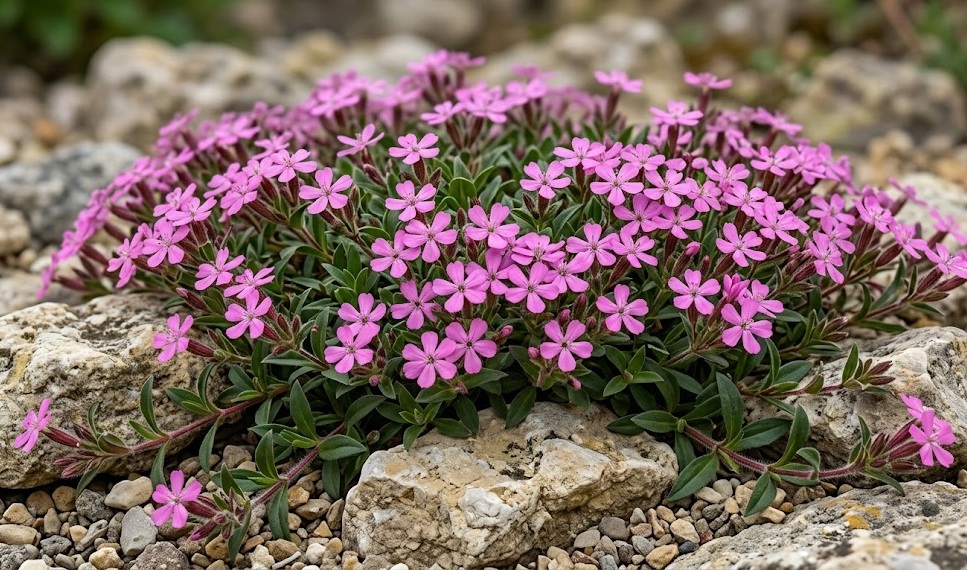

Understanding the light requirements of rock soapwort is fundamental to achieving the dense, floral carpet that this species is famous for in the gardening world. Light is the primary energy source that drives the plant’s growth, flower production, and overall structural integrity throughout the season. You must carefully consider how the sun moves across your landscape to find the perfect spot for this sun-loving alpine perennial. Providing the correct amount of light not only ensures a beautiful display but also helps the plant remain healthy and resistant to common garden stresses.
Full sun benefits
To see rock soapwort at its absolute best, you should aim to provide it with at least six to eight hours of direct sunlight every day. In its native mountain habitats, the plant is exposed to intense, unfiltered light, which results in a very compact and low-growing habit. This high level of light exposure is what triggers the massive production of flowers that can almost entirely obscure the green foliage. When you provide full sun in your garden, you are essentially giving the plant the resources it needs to reach its peak potential.
The intensity of the sun also helps to keep the foliage dry, which is a key factor in preventing many of the fungal issues that can plague groundcovers. Sunlight acts as a natural sanitizer, reducing the lifespan of spores on the surface of the leaves and stems. In a sunny location, the plant’s growth is much tighter, creating a denser mat that is more effective at suppressing weeds. You will find that sun-grown soapwort is generally much hardier and more resilient than those grown in less-than-ideal light.
Another major benefit of full sun is the enhancement of the flower color, which tends to be more vibrant and saturated when the plant receives plenty of light. The delicate pink petals will have a deeper hue, and the overall visual impact of the planting will be significantly greater. You should prioritize the sunniest spots in your rock garden or along your south-facing walls for these perennials. This placement ensures that you get the maximum return on your gardening efforts in terms of beauty and plant health.
You should be mindful that full sun also means the soil will dry out more quickly, so you must ensure the plant is well-established and has a good root system. In very hot climates, the combination of intense sun and reflected heat from rocks can be challenging, but soapwort is usually up to the task if given a bit of care. Providing a gritty mulch can help keep the roots cool while the foliage enjoys the bright light above. This balance of sun and root protection is the secret to success in high-light environments.
More articles on this topic
Partial shade tolerance
While rock soapwort definitely prefers full sun, it does have a limited ability to tolerate partial shade, particularly in regions with very intense summer heat. In such climates, a bit of afternoon shade can actually be beneficial by protecting the plant from the most extreme temperatures of the day. However, you should ensure that the plant still receives several hours of bright morning sun to maintain its vigor and flowering ability. Finding this middle ground requires a good understanding of your garden’s specific microclimate.
If you plant soapwort in too much shade, you will quickly notice a change in its growth habit and overall appearance. The stems will start to “stretch” toward the light, resulting in a leggy and sparse look rather than a tight, attractive cushion. You will also see a significant decrease in the number of flowers produced, as the plant directs its limited energy into leaf growth instead of blooming. This stretched growth is not only less attractive but also makes the plant more susceptible to breaking and flopping.
In shaded conditions, the foliage stays damp for longer after rain or dew, which increases the risk of powdery mildew and other fungal diseases. You must be extra vigilant about air circulation and avoid any overcrowding when growing this plant in less-than-ideal light. If you find your soapwort is struggling in a shady spot, it is often best to move it to a sunnier location rather than trying to compensate with extra water or fertilizer. The plant’s light needs are non-negotiable for its long-term health.
If you have a garden that is mostly shaded, you might want to look for other groundcovers that are better suited to those conditions rather than forcing soapwort to adapt. However, if you have a spot that gets dappled light or bright, indirect light for most of the day, you might still have some success. Professional gardening is about matching the right plant to the right place to minimize maintenance and maximize beauty. Always observe how the light changes throughout the seasons before making your final planting decisions.
More articles on this topic
Impact of light on blooming
The relationship between light intensity and the blooming cycle of rock soapwort is direct and unmistakable for any observant gardener. The plant uses the energy from the sun to build up the necessary reserves to produce its profusion of five-petaled flowers in late spring and early summer. If the light levels are insufficient, the blooming period will be much shorter, and the individual flowers may be smaller and less numerous. You should consider light to be the primary “fuel” for the plant’s spectacular annual show.
The timing of the bloom can also be influenced by the amount of light the plant receives in the early weeks of spring. Plants in warmer, sunnier spots will often start growing and flowering a week or two earlier than those in cooler, shadier locations. You can use this to your advantage by placing soapwort in different parts of your garden to slightly extend the total flowering season. This type of strategic placement is a hallmark of a professional and well-planned landscape design.
After the main flowering period is over, the plant still needs plenty of light to recover and prepare for the following year. This post-bloom period is when the plant builds its energy stores and forms the buds that will open the next season. If you prune the plant back after flowering, the new growth will need bright light to stay compact and healthy as it matures. You should never let taller neighboring plants shade out your soapwort during this critical recovery phase.
Ultimately, providing the right light is the simplest and most effective way to ensure your rock soapwort remains a high-performing part of your garden. It is much easier to choose a sunny spot from the beginning than to try and fix the problems caused by insufficient light later on. By respecting the plant’s alpine heritage and its love for the sun, you will be rewarded with years of reliable beauty. Your commitment to understanding these fundamental needs is what will make your garden flourish.