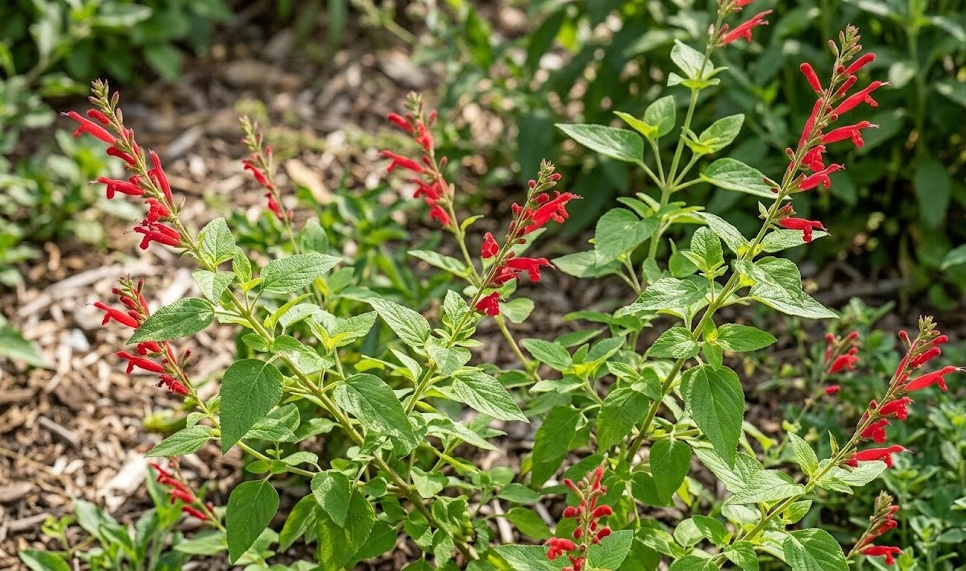

The intensity and duration of light exposure are perhaps the most influential factors in determining the success of your pineapple sage. This species is fundamentally adapted to high-light environments, where it can harness the sun’s energy to produce its impressive biomass and aromatic oils. Without adequate illumination, the plant will struggle to maintain its structural integrity and will likely fail to produce its iconic autumn blooms. Understanding how to manage light in your specific garden layout is essential for any horticulturist aiming for professional-grade results with this vibrant herb.
Light is the primary fuel for photosynthesis, the process by which the plant creates the sugars it needs to grow and thrive. For pineapple sage, “full sun” is not just a suggestion; it is a requirement for the plant to reach its full genetic potential. This typically means a minimum of six to eight hours of direct, unfiltered sunlight every single day during the peak of the growing season. While the plant can survive in lower light, its appearance and health will be significantly compromised over time.
In addition to growth, light also plays a crucial role in the timing of the plant’s reproductive cycle. Pineapple sage is a “short-day” plant, meaning it responds to the naturally decreasing daylight hours of late summer and early autumn to trigger its flowering. If the plant is exposed to artificial light at night, such as from a streetlamp or porch light, this internal clock can be disrupted, leading to delayed or absent flowers. Managing the total light environment, including the darkness, is a nuanced part of sage care.
In this article, we will delve into the specific light needs of pineapple sage and how to optimize them in your landscape. We will look at how to handle partial shade, the effects of light on aromatic quality, and how to use light to your advantage in garden design. By the end, you will have a professional perspective on how to position and care for your sage based on the available light on your property. Let’s explore the powerful influence of the sun on this remarkable garden specimen.
The importance of full sun exposure
When we talk about full sun, we mean the kind of direct light that hits the plant without being filtered through trees or structures. In this environment, pineapple sage will develop a much more compact and sturdy habit, with shorter internodes between the leaves. This makes the plant less likely to flop over or break under the weight of its own foliage or during a rainstorm. The leaves themselves will also be thicker and more vibrant, indicating a high level of health and productivity.
More articles on this topic
Maximized light exposure is also directly linked to the concentration of the essential oils that give the plant its signature pineapple scent. These oils are part of the plant’s defense mechanism and are produced more heavily in response to the energy provided by the sun. If you grow your sage in a shady spot, you will likely notice that the fragrance is much weaker and the leaves are less flavorful. For culinary and aromatic purposes, a sun-drenched location is non-negotiable for the best quality harvest.
Another benefit of full sun is that it helps to keep the foliage dry and reduces the risk of fungal diseases like powdery mildew. The heat from the sun quickly evaporates morning dew and any moisture from rainfall, creating an environment that is less hospitable to fungal spores. This natural preventative measure is much more effective and sustainable than relying on chemical sprays later in the season. A sunny spot is the foundation of a low-maintenance and healthy garden plan for all Salvia species.
If you find that your garden has limited full-sun spots, you should prioritize them for high-demand plants like pineapple sage. You can also use reflective surfaces, such as light-colored walls or strategically placed garden mirrors, to bounce extra light onto your plants. While this isn’t a perfect substitute for direct sun, it can help to boost the light levels in a borderline area. Being creative with your available light is a hallmark of an expert gardener who knows how to work with their specific landscape.
Managing partial shade conditions
While pineapple sage prefers full sun, many gardeners have to deal with areas that only receive partial light throughout the day. In these conditions, you can still grow the plant, but you must be prepared for some changes in its growth patterns. The plant will likely become “leggy,” meaning it will grow taller and thinner as it stretches toward the nearest light source. This can lead to a more sprawling and less tidy appearance that may require more frequent pruning and staking for support.
More articles on this topic
To manage a sage in partial shade, you should be even more vigilant about providing excellent drainage and avoiding overwatering. Because the plant is not photosynthesizing as rapidly, it will use less water, and the soil will take longer to dry out in the shade. This makes the plant more susceptible to root rot and other moisture-related issues if you are not careful. Adjusting your irrigation schedule to match the lower energy levels of the plant is a critical part of successful shade management.
Flowering will also be affected by a lack of light, often resulting in fewer and less vibrant blossoms in the autumn. The blooming period may also be delayed, which can be a problem if your area experiences early frosts. If you must grow in partial shade, try to ensure the plant gets its sun during the morning hours, which is generally more beneficial for drying the leaves. Avoiding the harsh afternoon sun in very hot climates can sometimes actually be a benefit, preventing leaf scorch and heat stress.
You can compensate for some of the effects of shade by being more diligent with your fertilization and soil care. A well-nourished plant will have more reserves to deal with the stress of lower light levels and may still put on a decent show. You can also use “bright” companion plants with light-colored foliage to help visually lift the area and make the most of what light is available. Understanding the limitations of your site allows you to set realistic expectations and adjust your care routine accordingly.
Effects of light on blooming cycles
As a short-day plant, the blooming of pineapple sage is intricately tied to the natural rhythms of the sun and the shifting seasons. As the days begin to shorten after the summer solstice, the plant receives a biological signal to start forming flower buds. This transition is a complex physiological process that requires both the presence of light during the day and uninterrupted darkness at night. Disrupting this cycle can lead to a plant that remains entirely vegetative and never produces its iconic red flowers.
One common issue for home gardeners is the presence of artificial light sources near the garden, such as streetlights or security lamps. Even a relatively low level of light at night can “fool” the plant into thinking the days are still long, preventing it from entering the flowering phase. If your sage is not blooming as expected despite being healthy, check the area at night for any light pollution. Moving the plant or providing a temporary cover at night can sometimes fix this problem and trigger the desired bloom.
The intensity of the light during the day also determines how much energy the plant has to put into its floral display. High light levels lead to more numerous and larger flower spikes, creating a much more dramatic visual impact in the late garden. Each individual flower will also be more saturated in color, providing a better beacon for the hummingbirds and butterflies you want to attract. The sun is essentially the engine that drives the entire reproductive show of the pineapple sage.
In very northern latitudes where the growing season is short, the late-blooming nature of the sage can be a challenge. If the first hard frost arrives before the days have shortened enough to trigger blooming, you might miss the flowers entirely. In these cases, you can try to “force” an earlier bloom by artificially shortening the day for several weeks in late summer. This advanced technique requires consistency but can be a rewarding way to ensure you get to see the spectacular red blossoms before the winter sets in.