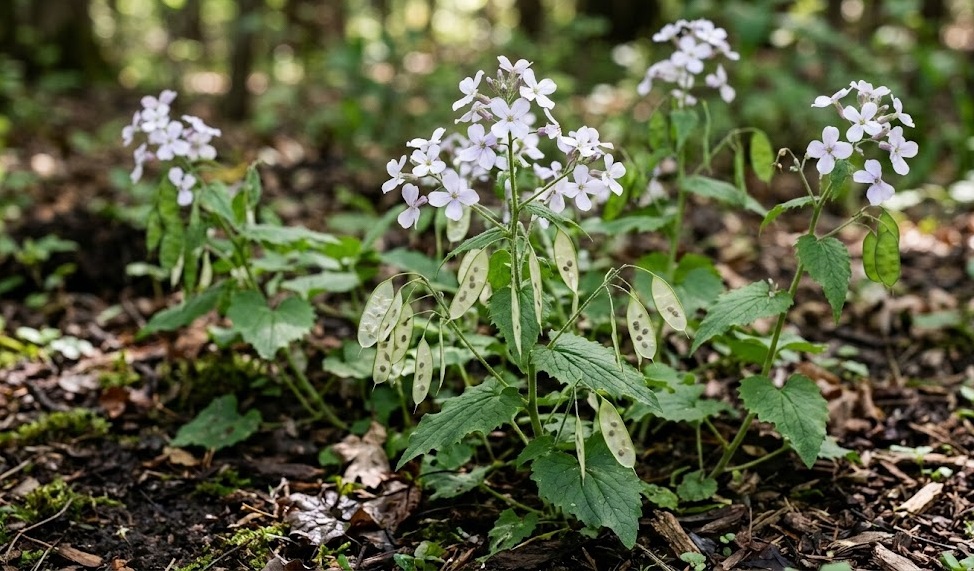

Understanding the interplay between light and shade is essential for creating a professional garden that mimics the complex layers of a natural woodland. Perennial honesty has evolved to thrive in the dappled light found beneath the canopy of deciduous trees, and matching this requirement is key to its success. You must learn to read the light patterns in your garden throughout the day and the seasons to find the perfect niche for this elegant species. This guide explores the nuances of light management to help you achieve the most vibrant and healthy specimens possible.
In the professional world of horticulture, we often talk about “dappled shade” or “partial sun,” but what does that mean in a practical sense? For this specific plant, it ideally means receiving about four to six hours of filtered sunlight, preferably during the cooler morning hours. Direct, intense afternoon sun can be very damaging, causing the broad leaves to scorch and the plant to wilt under the stress of high evaporation. You should look for spots where the light is broken up by the leaves of taller plants or structural elements like a trellis.
If you plant in a location that is too shady, you may find that your perennials become “leggy” as they stretch toward the light. Deep, constant shade can also lead to a reduction in the number of flowers produced and a less impressive display of seed pods later in the year. While the plant will survive in lower light levels, it won’t reach its full aesthetic or professional potential. Finding that perfect balance where the plant gets enough energy to bloom but not so much that it burns is your primary challenge.
Seasonality also plays a major role in light management, as the angle of the sun and the density of the tree canopy change throughout the year. In the early spring, before the trees have fully leafed out, your plants will receive a much higher level of light, which is perfect for stimulating new growth and flower production. As the summer progresses and the canopy closes, the resulting shade provides the necessary protection from the heat. This natural rhythm is exactly what these plants have adapted to over thousands of years in their native habitats.
Managing light levels in the landscape
If your garden doesn’t naturally have many trees, you can create the necessary light conditions using other professional landscaping techniques. You might consider planting your perennials on the north or east side of a building or a tall hedge, where they will be shielded from the harshest sun. Alternatively, you can use lattice panels or shade cloth during the height of summer to provide temporary relief for your most sensitive plants. A professional gardener is always ready to adapt the environment to meet the specific needs of their collection.
More articles on this topic
The reflective quality of nearby surfaces can also influence the amount of light your plants receive, sometimes in unexpected ways. A white wall or a light-colored patio can reflect a significant amount of heat and light onto your plants, potentially causing stress even in a shaded area. You should take these factors into account when planning your layout and perhaps use darker mulches or surrounding greenery to absorb some of that excess energy. Paying attention to these subtle environmental details is what separates a good garden from a professional one.
You should also consider the density of your own plantings and how they might shade one another as they mature. While it is tempting to plant closely for an immediate effect, overcrowding can lead to the lower parts of the plant being shaded out, which reduces airflow and increases disease risk. You should space your plants according to their mature size to ensure that every leaf has access to the light it needs to function effectively. A well-spaced garden always looks more professional and stays healthier in the long run.
Monitoring the movement of shadows across your garden at different times of the year is a great way to improve your light management skills. You can even take photos or draw simple maps to track how the light changes from March to September. This data will be incredibly valuable when you are deciding where to add new plants or which specimens might need to be moved. A professional approach to gardening is based on observation and evidence, leading to more consistent and spectacular results.
Responding to signs of light stress
A professional gardener is always on the lookout for visual cues that indicate a plant is not happy with its current light levels. If you notice the leaves turning a pale yellow or seeing brown, crispy patches between the veins, the plant is likely getting too much direct sun. On the other hand, if the stems are thin and weak and the leaves are unusually small, the plant is probably struggling in too much shade. Learning to read these signals allows you to take corrective action before the plant’s health is seriously compromised.
More articles on this topic
Moving a plant that is in the wrong light environment is one of the most effective ways to save it and improve its performance. You should ideally do this in the early spring or late autumn when the plant is dormant or just starting to grow, to minimize transplant shock. Be sure to prepare the new site with plenty of organic matter and water the plant thoroughly after its move. A professional isn’t afraid to admit when a plant is in the wrong place and take the necessary steps to fix the situation.
In some cases, you can improve the light levels in a shaded area by selectively pruning the overhanging branches of trees or shrubs. This process, known as “crown thinning,” allows more light to filter through to the plants below without removing the canopy entirely. You should consult with an arborist if the trees are large, to ensure that the work is done safely and professionally. This integrated approach to light management benefits the entire garden ecosystem, from the tallest tree to the smallest perennial.
Finally, remember that light is the primary source of energy for your plants, and getting it right is fundamental to everything else you do. By matching the perennial honesty to its ideal light environment, you allow it to flourish and produce the stunning display it is known for. Your attention to these details will be reflected in the health and beauty of your garden, making it a professional and inspiring space for everyone to enjoy. Understanding light is one of the most powerful tools in a gardener’s repertoire.