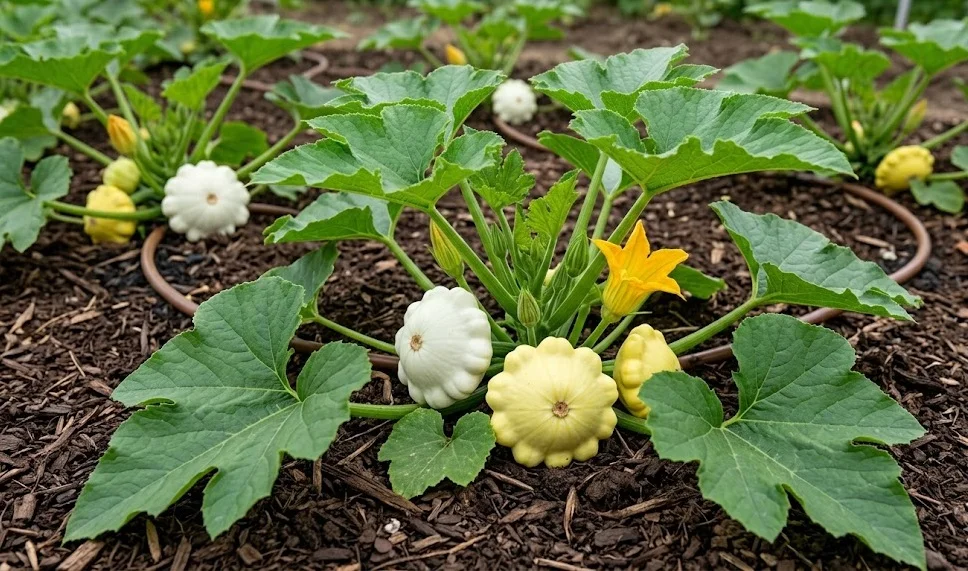

The success of a pattypan squash crop is heavily dependent on the amount of solar energy it receives throughout the growing season. You should select a planting site that provides a minimum of six to eight hours of direct sunlight every day for the best results. Professional agriculturists recognize that light is the primary driver of photosynthesis, which provides the energy needed for the plant to produce its characteristic fruit. Without sufficient light, the plants will become weak, leggy, and much more susceptible to pests and diseases.
The quality of the light is just as important as the quantity when it comes to the development of high-quality vegetables. Morning sun is particularly beneficial as it helps to dry the dew off the leaves quickly, reducing the risk of fungal infections like powdery mildew. If you have to choose between morning and afternoon sun, the early part of the day is generally preferred for its drying effect. However, the intense heat of the late afternoon sun can also be used to drive rapid fruit development in cooler climates.
In northern regions or areas with shorter days, maximizing light exposure can be a professional challenge that requires strategic planning. You can use reflective mulches or place your garden beds against light-colored walls to bounce more light back onto the plants. It is also important to consider the height of neighboring plants and structures that might cast shadows over your squash patch as the sun moves across the sky. Ensuring an open and unobstructed view of the sky is the best way to guarantee your plants get the energy they need.
The physical structure of the pattypan squash, with its large, broad leaves, is a natural adaptation designed to capture as much sunlight as possible. You might notice that the leaves will shift their position slightly throughout the day to follow the path of the sun. This solar tracking allows the plant to maintain a high rate of energy production even when the light intensity is not at its peak. Providing the right light environment allows these natural mechanisms to function at their highest professional efficiency.
Photosynthesis and its impact on fruit quality
Photosynthesis is the complex biochemical process that converts light energy into the chemical energy the plant uses to grow. You should understand that the sugars produced in the leaves are the same ones that provide the flavor and nutritional value of the harvested squash. A plant that is grown in full sun will always produce fruit that is denser, more flavorful, and more nutrient-rich than one grown in the shade. Professional growers focus on leaf health because they know that healthy leaves are the “solar panels” of the garden.
More articles on this topic
When the light levels are too low, the plant will prioritize vegetative growth over the production of flowers and fruit. You might find that your plants have plenty of green leaves but very few squash if they are not getting enough sun every day. This is a common problem in gardens that are overcrowded or where the plants are shaded by larger trees. Ensuring that each plant has enough space to fully expand its leaves is a key part of light management in a professional setting.
The color of the pattypan squash is also influenced by the amount of light it receives during the final stages of its development. Varieties that are bright yellow or dark green will have a more vibrant and professional appearance when grown in high-light conditions. Lack of sunlight can lead to pale, washed-out colors that are much less appealing to the consumer or the home cook. The visual quality of your harvest is a direct reflection of the environmental energy available to the crop.
High light intensity also helps to regulate the balance of male and female flowers on the squash vines. You might notice that during periods of cloudy weather, the plant produces more male flowers than female ones, which can delay the harvest. Once the sun returns, the plant will often respond by producing a flush of female flowers that will soon develop into fruit. Monitoring these subtle responses to the environment is part of the deep understanding required for professional horticulture.
Strategic placement and light management
Choosing the right location for your pattypan squash is the most important decision you will make regarding its light requirements. You should use a sun map or a light meter to determine the best spot in your garden before you start planting in the spring. South-facing slopes are ideal because they capture the most direct sunlight throughout the day and stay warmer than other areas. Avoiding the shadows of large buildings or evergreen trees is a professional necessity for any sun-loving crop like squash.
More articles on this topic
In a small garden, you might need to get creative with your placement to ensure your plants get enough light to thrive. You can grow your pattypan squash in large containers that can be moved around as the shadows shift during the season. This flexibility allows you to chase the sun and provide the best possible conditions for your crop at all times. Professional container gardening requires more attention to watering and fertilizing, but the light benefits can be significant.
The spacing between your rows and individual plants also plays a vital role in how light is distributed throughout the garden canopy. You should follow the recommended distances to prevent the plants from shading each other out as they reach their full size. Wide rows allow the sunlight to reach the lower leaves and the developing fruits, which is essential for uniform growth and ripening. A professional layout is one that considers the three-dimensional space that the plants will occupy at maturity.
As the season progresses and the sun’s path changes, you might need to prune nearby vegetation to maintain the light levels in your squash patch. Trimming back overhanging branches or thinning out taller weeds can make a big difference in the amount of energy your plants receive. This active management of the light environment is a hallmark of a professional gardener who is committed to excellence. By paying close attention to the sun, you ensure that your pattypan squash has everything it needs to reach its full potential.