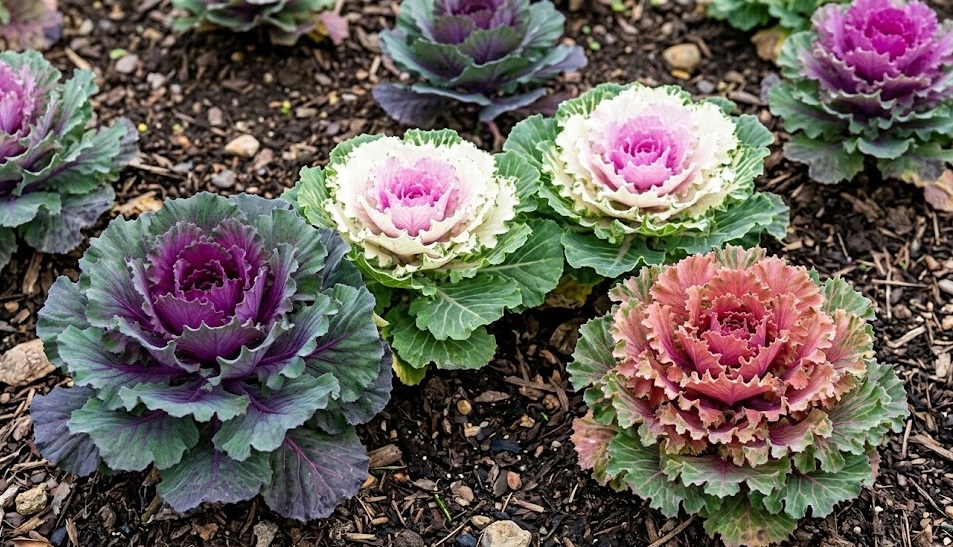

Sunlight is the primary fuel for the growth and color development of ornamental cabbage, making it one of the most important environmental factors to consider. These plants have specific light needs that change as they move from the long days of summer to the shorter, weaker light of winter. Understanding how to position your plants to maximize their exposure will ensure a vibrant and healthy display. This article explores the professional aspects of managing light for your decorative brassicas.
Sunlight needs for growth and color
Ornamental cabbage requires full sun to develop its best form and the most intense leaf colors. In a professional landscaping context, this means at least six to eight hours of direct sunlight every day. During the early growth phase, light is necessary for the plant to produce the carbohydrates needed to build a large, sturdy rosette. Without enough light, the stems will become “leggy” and the plant will lack the structural integrity to withstand winter weather.
The intensity of the light also plays a role in the breakdown of chlorophyll and the emergence of anthocyanin pigments. These are the purple, pink, and red colors that make the cabbage so decorative in the autumn. While cold temperatures trigger this process, it is the interaction with sunlight that determines how saturated those colors will become. Plants grown in shady spots often remain a dull, muddy green rather than achieving their full color potential.
In the northern hemisphere, the angle of the sun changes significantly during the transition from autumn to winter. You must account for the fact that a spot that is sunny in September might be in total shade by November due to the lower sun and nearby structures. Choosing a location on the south or west side of your property is usually the safest bet for consistent light exposure. Monitoring these seasonal light shifts is a hallmark of an expert garden planner.
If you are growing ornamental cabbage in a region with very high temperatures in late summer, a bit of afternoon shade can be beneficial. While they love the sun, the extreme heat of a summer afternoon can cause the plants to wilt or suffer from heat stress. In these specific cases, a location with “filtered” light or morning sun and afternoon shade can provide the best of both worlds. However, as soon as the weather cools, the plants should be moved back into the full intensity of the sun.
More articles on this topic
Effects of shade on plant health
When ornamental cabbage is grown in too much shade, the first symptom is often a loss of the compact, symmetrical shape. The plant will begin to “stretch” toward the nearest light source, resulting in a tall, spindly stem that is prone to breaking. This not only ruins the aesthetic of the display but also makes the plant more susceptible to damage from wind and snow. A compact plant is always a more resilient plant in the winter garden.
Shade also creates a microclimate of higher humidity and slower drying times for the foliage. This is a primary risk factor for the development of fungal diseases like powdery mildew or downy mildew. Without the sun to quickly evaporate dew or rainwater, the leaves remain damp for long periods, providing the perfect environment for spores to germinate. Ensuring your plants are in a sunny, breezy location is your best natural defense against these common issues.
The overall vigor of the plant is directly tied to its ability to perform photosynthesis, which is limited in low-light conditions. Shade-grown cabbages are often smaller, with fewer leaves and a less impressive central “flower.” They may also be more attractive to pests like aphids, which tend to prefer the softer, weaker tissue produced in the shade. A healthy, sun-grown plant has a thicker leaf cuticle that acts as a physical barrier to many common garden pests.
If your garden is naturally shady, you might consider using reflective mulches or light-colored surfaces to bounce more light onto your plants. Placing containers near white walls or using light-colored gravel can significantly increase the ambient light levels available to the cabbage. While not a perfect substitute for direct sun, these professional “tricks” can help you achieve a better result in less-than-ideal locations. Every bit of extra light helps the plant maintain its health and color.
More articles on this topic
Seasonal light shifts and management
As the days shorten in late autumn, the total amount of energy the plant receives from the sun decreases dramatically. This is a natural signal for the plant to slow down its metabolic processes and enter its winter state. You should avoid any practices that might block the remaining light, such as leaving fallen leaves from trees on top of the cabbage rosettes. Keeping the foliage clean and clear allows the plant to make the most of every available photon.
In some urban environments, artificial light from streetlamps or security lights can interfere with the plant’s seasonal rhythm. While ornamental cabbage is not as sensitive to photoperiodism as some other plants, very bright lights at night can sometimes delay color development. If possible, choose a location where the plants can experience a natural cycle of day and night. This helps the plant stay in sync with the environment and progress through its life cycle as intended.
For plants grown in containers, the ability to move them is a major advantage during the changing seasons. You can shift your pots to follow the sun as it moves lower in the sky, ensuring they always get the best possible exposure. This proactive management allows you to maintain a professional-looking display even in a small or challenging space. It also lets you move the plants into the sunnier parts of your patio or balcony as the shadows lengthen.
Finally, consider the light requirements when planning your overall garden layout for the winter. Avoid planting tall evergreens or placing large garden ornaments where they will cast long shadows over your ornamental cabbage beds. A well-designed winter garden takes into account the path of the sun to ensure that all decorative elements are showcased in the best light. Professional design is as much about managing light and shadow as it is about selecting the right plants.