
The Norway maple ‘Globosum’ is an exceptionally adaptable tree when it comes to light, but understanding its specific needs is essential for maintaining its iconic spherical shape. Light is the primary energy source that fuels the dense foliage and the slow, controlled growth that makes this cultivar so desirable. While it can survive in a variety of settings, the quality and duration of sunlight it receives will directly influence the thickness of its canopy and the vibrancy of its leaves. A professional gardener knows how to position this tree to maximize its aesthetic potential while protecting it from the extremes of solar radiation. Balancing exposure and shade is a key part of the ‘Globosum”s long-term management.
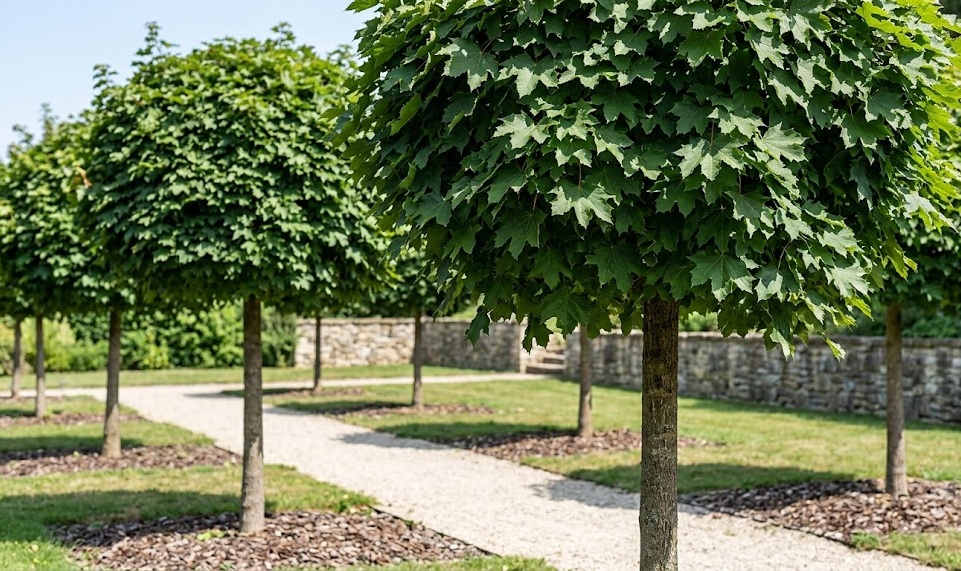
In its ideal environment, the ‘Globosum’ variety prefers full sun, which is defined as at least six to eight hours of direct light daily. This high level of light ensures that the tree can produce enough energy to maintain a very tight and uniform crown. When grown in full sun, the leaves are typically a deeper, richer green and the internodes between the leaves are shorter. This results in the classic, solid-looking sphere that is so prized in architectural landscaping and formal garden designs.
Partial shade is also tolerated by this maple, though you may notice some changes in its growth habit over time. In lower light conditions, the tree may become slightly less dense as the branches stretch further apart in an attempt to capture more sunlight. While it will still maintain its basic round shape, it might not have the “sheared” look that characterizes specimens in full sun. If you are planting in a shaded area, you must ensure the tree still receives at least four hours of bright light, preferably during the morning.
The orientation of the light is another factor to consider when choosing a planting site for the Norway maple ‘Globosum’. Afternoon sun can be much more intense and dehydrating than morning sun, which can lead to leaf scorch during the hottest parts of the summer. In very hot climates, a position that provides morning sun and some afternoon dappled shade is often the best compromise. Monitoring how the light moves across your garden throughout the seasons will help you find the perfect spot for this beautiful tree.
Photosynthetic needs and growth
Photosynthesis is the engine that drives the development of the ‘Globosum’ maple, and light is the fuel for that engine. The dense canopy of this variety means that the outer leaves often shade the inner ones, creating a natural light gradient within the tree. To maintain a healthy interior, the tree needs enough external light to penetrate at least a few layers deep into the foliage. Without adequate light, the innermost branches can become weak and eventually die back, leading to a hollow-looking center.
More articles on this topic
The rate of growth is also directly tied to the amount of light the tree receives each year. In a sunny location, the ‘Globosum’ will reach its full potential size more quickly and will have a more robust structural framework. If the tree is in too much shade, its growth may stall, and it may become more susceptible to pests and diseases that target weakened plants. You should observe the length of the new annual growth to determine if the tree is getting the energy it needs from its environment.
Light quality can be affected by nearby structures, such as tall buildings or other large trees that cast long shadows. In urban canyons, the light may be reflected off glass or concrete, which can increase the total light intensity but also raise the local temperature. This reflected light can be beneficial in cooler climates but may cause heat stress in warmer regions. Understanding these microclimatic factors is part of the professional assessment required for successful urban tree planting.
Seasonal changes in light duration are something the ‘Globosum’ is naturally adapted to, as it is a deciduous tree. During the winter, the lack of leaves allows light to reach the trunk and the inner structure of the tree, which can help with the health of the bark. In the spring, the increasing light levels act as a signal for the tree to break dormancy and begin its active growth phase. Providing a location with consistent seasonal light patterns will help the tree maintain its natural biological rhythms.
Managing shade and competition
If you must plant a Norway maple ‘Globosum’ in a shaded area, there are several ways to help it thrive. You should ensure that the soil is of the highest quality and that the tree is never under moisture stress, as it will have less energy to recover from these secondary issues. Occasionally thinning the canopy of nearby large trees can also allow more “sun flecks” to reach the maple throughout the day. This small increase in light can make a significant difference in the density and health of the ‘Globosum”s foliage.
More articles on this topic
Competition for light with other plants is a common challenge in crowded garden beds. Tall shrubs or aggressive climbing plants can quickly overshadow a young maple and stunt its development. You should maintain a clear buffer zone around the ‘Globosum’ to ensure its crown has uninterrupted access to the sky. This not only benefits the maple’s health but also highlights its unique spherical form, which is often lost when it is crowded by other vegetation.
The dense shade produced by the ‘Globosum’ itself is another factor that you must manage. Very few plants can grow directly under the canopy of a mature Norway maple due to the lack of light and the competition for water. If you want to plant underneath it, choose highly shade-tolerant species or use decorative mulch to create a clean look. Managing the area under the tree is just as important as managing the tree itself for a professional landscape finish.
Final considerations for light management include the use of artificial lighting in nighttime landscapes. While small decorative lights generally do not affect the tree’s health, very powerful floodlights that stay on all night can disrupt its natural dormancy cycle. If you are using landscape lighting, aim the lights away from the foliage or use timers to ensure the tree has a period of darkness. Respecting the tree’s need for a natural day-night cycle is part of an expert care routine.
Foliage color and light intensity
The intensity of the light has a profound effect on the color and texture of the leaves of the Norway maple ‘Globosum’. In bright, direct sun, the leaves develop a thick cuticle that gives them a slightly glossy appearance and a very deep green color. This thick layer helps the leaves retain moisture and protects them from the damaging effects of UV radiation. If the light is too dim, the leaves may become thinner and take on a paler, more lime-green hue as they struggle to maximize their chlorophyll efficiency.
Autumn color is also influenced by the light levels the tree receives during the preceding summer and early autumn. A ‘Globosum’ that has enjoyed a sunny growing season will often produce a more spectacular display of bright yellow and gold before the leaves fall. The process of breaking down chlorophyll and revealing the underlying pigments is a complex reaction that is triggered by declining light and temperature. Providing a sunny location is the best way to ensure your maple contributes to the beauty of the autumn garden.
Leaf scorch is the dark side of high light intensity, especially when combined with high temperatures and low humidity. This appears as brown, crispy edges on the leaves and is a sign that the tree is losing water faster than its roots can replace it. If your maple is in a very sunny spot, you must be extra diligent with your watering schedule during heatwaves. Providing a little temporary shade during the hottest part of the day can also help prevent permanent damage to the foliage.
Understanding the “light footprint” of your tree will help you plan the rest of your garden more effectively. The Norway maple ‘Globosum’ creates a very distinct, dark shadow that moves predictably throughout the day. You can use this shadow to provide relief for more sensitive plants or to create a cool seating area in the summer. By working with the light rather than against it, you can turn the specific light requirements of the maple into a major asset for your overall landscape design.