
Understanding the preference for shade
Providing the correct light levels is perhaps the most important factor in the long-term success of your garden. These plants are true woodland species that have evolved to thrive under the dappled light of a forest canopy. In most landscapes, this means they should be planted in areas that receive partial to full shade throughout the day. Direct, intense sunlight can quickly scorched the delicate leaves and cause the plant to decline.
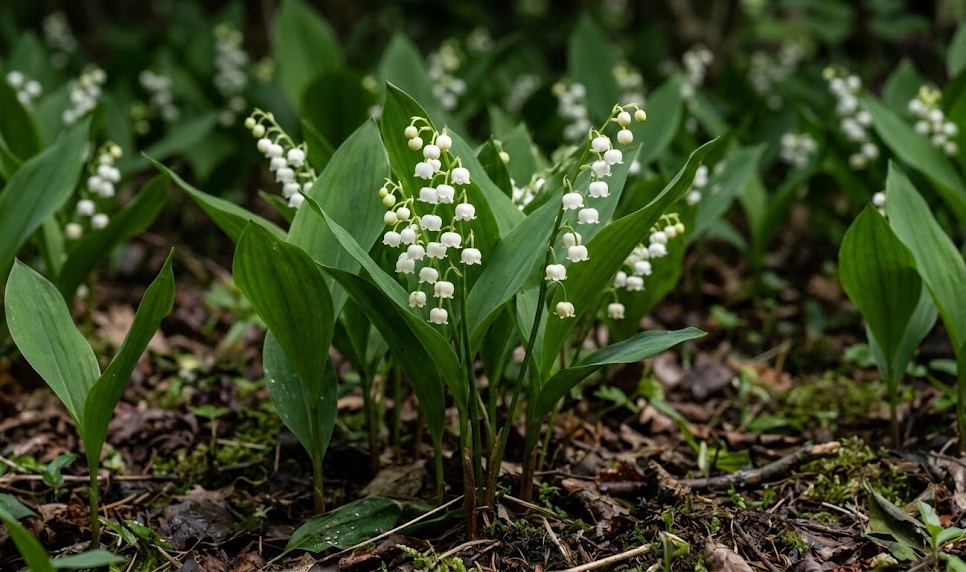
The north side of a building or a fence is often an ideal location for these shade-loving perennials. These spots stay cool and protected from the harshest rays of the sun, even during the peak of summer. You will notice that plants grown in deep shade often have larger, darker green leaves than those in brighter areas. This lush foliage is one of the primary reasons many gardeners choose to grow this species as a groundcover.
Dappled sunlight, such as the light that filters through the leaves of a large tree, is also very beneficial. This type of lighting mimics the natural environment where these plants are found in the wild across the world. It provides enough energy for healthy growth and flower production without the risk of overheating the soil or tissues. You should aim to create this kind of light environment whenever possible in your own garden design.
If your only available space is in a sunnier area, you will need to work harder to keep the plants healthy. You must ensure that the soil remains consistently moist and that you provide a thick layer of cooling mulch. In some cases, you might even consider installing temporary shade structures during the hottest weeks of the year. However, it is always easier to work with the plant’s natural preferences rather than against them.
Balancing light and flower production
While these plants love the shade, they still need a certain amount of light to produce their famous white blossoms. A colony that is grown in extremely deep, dark shade may produce beautiful foliage but very few flowers over time. This is because the plant is focusing all its energy on survival rather than reproduction through seed and flower. Finding the right balance of light and shadow is the key to a truly successful and fragrant display.
More articles on this topic
Early spring light is particularly important for triggering the development of the flower buds and the overall plant health. During this time, the leaves of many deciduous trees have not yet fully emerged, allowing more light to reach the ground. This window of increased light provides the energy the plants need for their initial burst of growth and blooming. You should ensure that the area is clear of any structures that might block this vital spring sunshine.
If you find that your plants are not blooming well, you might consider thinning the overhead tree canopy slightly. Removing a few small branches can allow just a little more light to reach the garden bed below without sacrificing the shade. This subtle adjustment can often be enough to significantly increase the number of flowers you see each year. Professional gardening often involves these kinds of fine-tuned environmental modifications to achieve the best results.
You should also observe the orientation of your garden and how the light changes throughout the day and the seasons. A spot that is shaded in the morning might be in full sun by late afternoon when the heat is at its peak. This afternoon sun is the most dangerous and should be avoided whenever possible for these delicate woodland flowers. Understanding the movement of the sun across your landscape is an essential skill for any successful garden planner.
Identifying signs of light stress
It is important to learn how to recognize the symptoms of light stress so that you can take corrective action quickly. Leaves that receive too much direct sun will often develop brown, crispy edges or pale, bleached spots on the surface. This damage is irreversible and can significantly weaken the plant if it occurs over a large area of the colony. If you see these signs, it is a clear indication that the plants need more protection from the sun.
More articles on this topic
Plants that are suffering from a lack of light will often appear spindly and stretched out as they reach for the sun. The leaves might be smaller than usual and the stems may lack the strength to stand up properly on their own. You might also notice a general lack of vigor and a complete absence of flowers even during the peak season. In this case, you should consider moving the plants to a slightly brighter location in the garden.
The color of the foliage is a great indicator of whether the light levels are appropriate for the plant’s needs. A healthy lily of the valley should have deep, emerald-green leaves that look vibrant and full of life all season. If the leaves look dull or yellowish, it could be a sign that the light conditions are not quite right for them. Regular observation allows you to catch these subtle cues and adjust your care routine accordingly.
You can use other shade-tolerant plants as a reference point for determining the light levels in your garden beds. If hostas and ferns are thriving in the same area, the light is likely perfect for your lily of the valley as well. If even these tough shade plants are struggling, the area might be too dark for anything to grow successfully. Building a community of plants with similar needs makes the management of your garden much more intuitive and professional.