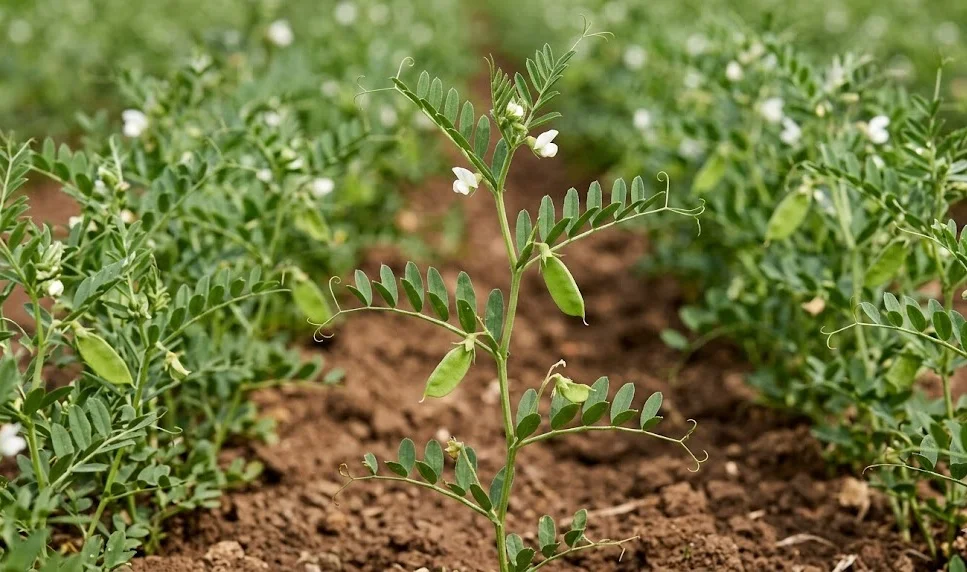

Light is the primary energy source for all agricultural crops, and for lentils, it serves as a critical signal for both growth and reproduction. These plants have evolved to thrive in open, sunny environments where they can maximize their photosynthetic potential throughout the day. Professional growers must understand how the intensity, duration, and quality of light influence the developmental stages of the lentil plant. By managing the light environment, you can ensure that your crop remains productive and reaches maturity at the optimal time for your region.
Photoperiodism and the transition to flowering
Lentils are generally classified as long-day plants, which means they require a certain duration of daylight to trigger the shift from vegetative growth to flowering. In professional agriculture, this photoperiodic response is a key factor in determining the suitability of a variety for a specific latitude. If the days are too short, the plants may continue to grow leaves and stems without ever producing the flowers needed for a seed harvest. Understanding this internal biological clock allows you to choose the right variety for your local seasonal light cycles.
The sensitivity to day length can vary significantly between different lentil cultivars, with some being much more “day-neutral” than others. Modern breeding programs have developed varieties that can flower under a wider range of light conditions, allowing for more flexibility in planting dates. However, the most productive crops are still those that are perfectly synchronized with the natural lengthening of the days in the late spring and early summer. Expert growers always pay close attention to these photoperiodic requirements when planning their cropping sequences.
Temperature can often interact with the light signal to accelerate or delay the flowering process in the field. Warm nights combined with long days can push a lentil crop into bloom very quickly, which is why early planting is so important in many regions. If the light requirements are met but the temperatures are too low, the plant may delay flowering to protect its delicate reproductive organs. A professional understanding of this “photo-thermal” interaction is essential for predicting the timing of the harvest and the potential yield of the crop.
In some specialized indoor or greenhouse settings, artificial lighting can be used to manipulate the flowering time of lentils for research or breeding purposes. By extending the day length with high-intensity lamps, breeders can achieve multiple generations of plants in a single year, significantly speeding up the development of new varieties. While this is not practical for large-scale field production, it demonstrates the power of light as a management tool in modern plant science. An expert always considers the light as a dynamic resource that can be optimized through variety selection and planting management.
More articles on this topic
Photosynthetic efficiency and canopy structure
The ability of a lentil plant to convert sunlight into biomass depends on the efficiency of its photosynthetic machinery and the layout of its leaves. Lentils have a relatively open and airy canopy compared to other legumes, which allows light to penetrate deeper into the lower layers of the plant. This “light harvesting” architecture ensures that even the bottom leaves can contribute to the overall energy balance of the individual. Professional growers aim to maintain a healthy and clean canopy that maximizes the surface area available for capturing solar radiation.
Soil fertility and water availability directly impact the plant’s ability to maintain its photosynthetic rate throughout the long summer days. If the plant is stressed by drought or a lack of nitrogen, the stomata on the leaves will close to conserve water, which also stops the intake of carbon dioxide for photosynthesis. This leads to a reduction in growth and a lower accumulation of the sugars needed for high-quality seed development. Providing a stable environment for the crop allows it to make the most of the available light every single day.
The density of the planting is the primary cultural tool you have for managing the light environment within the crop rows. If the plants are too crowded, they will compete for light, causing them to grow tall, thin, and weak as they reach for the sun. This “shade avoidance” response can lead to increased lodging and a higher risk of disease due to poor airflow and low light levels at the base of the plant. Finding the optimal plant population for your specific region ensures that every plant gets enough light without wasting valuable field space.
Maintaining leaf health is essential for ensuring that the photosynthetic capacity of the lentil crop remains high until the very end of the season. Diseases like rust or ascochyta can damage the leaf tissue and reduce the total area available for light absorption, directly impacting the final yield. Regular scouting and timely interventions help protect the “solar panels” of the plant from physical and biological damage. A professional grower knows that every square centimeter of healthy green leaf is an investment in the final productivity of the harvest.
More articles on this topic
Managing light exposure and shade issues
Lentils require full sun for at least six to eight hours a day to perform at their best and produce a heavy crop of seeds. In field situations where trees, buildings, or taller neighboring crops cast shadows, the growth of the lentils will be significantly stunted in those areas. You should plan your field layout to minimize the impact of these permanent or semi-permanent shade sources on your pulse plantation. An expert agricultural plan always considers the path of the sun throughout the growing season to ensure uniform light exposure across the entire crop.
Intercropping with taller cereals like wheat or barley can create a complex light environment where the lentils must compete for every photon. While this can provide some physical support and weed suppression, it also requires a careful balance to ensure the lentils are not completely shaded out. Many professional growers use specific row configurations to ensure that both crops receive adequate light during their most critical growth phases. This integrated approach to light management can lead to a more diverse and resilient farming system when done with precision.
Cloud cover and prolonged periods of overcast weather can also limit the amount of light energy reaching the crop, potentially slowing down growth and ripening. While you cannot control the weather, you can select varieties that are better adapted to the lower light levels found in certain coastal or mountainous regions. These varieties often have larger leaves or a different leaf angle to maximize their light capture under diffuse or low-intensity conditions. Understanding the local light climate is a vital part of a professional variety selection process.
Finally, the reflectivity of the soil surface can play a minor but interesting role in the light environment of a young lentil crop. Light-colored or sandy soils can reflect a significant amount of “bonus” light back up into the lower canopy of the plants. This reflected light can help stimulate growth in the lower nodes and improve the overall efficiency of the stand during the early vegetative stages. Professionalism in light management involves looking at all the factors, from the sky to the ground, that influence how your lentils capture and use energy.