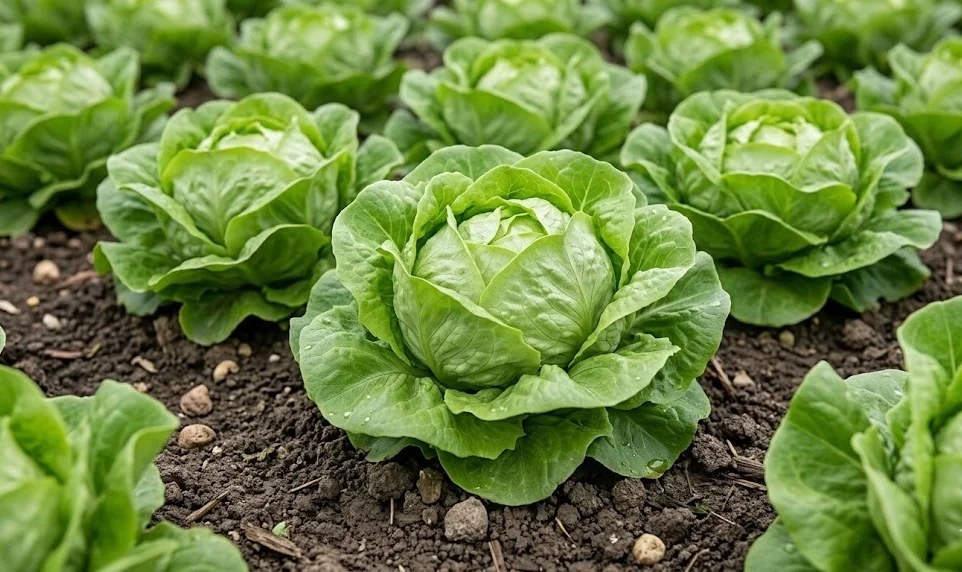

Understanding the specific light requirements of head lettuce is essential for optimizing growth rates and ensuring the highest quality of the final product. As a photosynthetic organism, lettuce relies on light as its primary energy source, but the intensity and duration of that light must be carefully managed. While it is often categorized as a full-sun crop, the reality is more nuanced, especially in regions with intense summer heat. Professional growers must balance the need for energy with the risk of heat stress to produce heads that are both large and sweet.
In the early spring and autumn, when temperatures are naturally cool, head lettuce thrives in full sun, receiving at least six to eight hours of direct light daily. During these periods, the intensity of the sun is moderate enough that the plants can maximize their growth without the risk of leaf scorch. The abundant light encourages the development of tight, well-formed heads and vibrant leaf coloration. Professional gardeners often prioritize their most open and sun-drenched beds for these shoulder-season lettuce crops to take full advantage of the available solar energy.
As the season progresses and the sun becomes more intense, the focus shifts toward protecting the lettuce from excessive radiation. In mid-summer, providing partial shade during the hottest part of the afternoon can prevent the soil from overheating and the plants from bolting. This can be achieved through the use of shade cloths, intercropping with taller plants, or strategic placement in the garden. Balancing light and shade is a critical skill that allows for the continued production of high-quality lettuce even when the environmental conditions become challenging.
The duration of light exposure, known as the photoperiod, also plays a significant role in the lifecycle of the lettuce plant. Long days, typically those exceeding fourteen hours of light, act as a biological trigger that tells the plant it is time to stop leaf production and start flowering. This process of bolting is the primary enemy of the lettuce grower, as it makes the leaves bitter and the head unmarketable. Professional strategies for managing light often involve techniques to “fool” the plant or simply timing the crop to avoid the longest days of the year.
Managing solar intensity and heat stress
High-intensity light is often accompanied by high temperatures, which can lead to a physiological imbalance in the lettuce plant. When the leaves absorb more energy than they can process or cool through transpiration, they may experience a condition known as photo-inhibition. This effectively stalls the growth of the plant and can lead to the breakdown of chlorophyll, resulting in pale or yellowed foliage. Professional growers monitor both light levels and ambient temperatures to determine when intervention is necessary to protect the health of their crop.
More articles on this topic
Shade cloths are a versatile and professional tool for managing light intensity in the modern vegetable garden. These fabrics are available in various “densities,” allowing the grower to block anywhere from thirty to seventy percent of incoming sunlight. For head lettuce, a thirty to forty percent shade cloth is often ideal, providing enough protection to cool the plants while still allowing enough light for active growth. These cloths can be easily draped over hoops or structures, creating a much more favorable microclimate for the developing heads.
Intercropping is a traditional and highly effective method for providing natural shade to a lettuce crop during the warmer months. Planting lettuce on the north side of taller crops like tomatoes, pole beans, or corn allows the larger plants to act as a living sunshade. As the sun moves across the sky, the lettuce receives direct light in the morning and evening but is protected during the peak intensity of the afternoon. This efficient use of space also increases the overall biodiversity of the garden and can help to manage soil moisture more effectively.
Soil temperature is indirectly influenced by light exposure and is a major factor in the overall success of the lettuce crop. Bare soil exposed to direct sun can reach temperatures that are far too high for the sensitive roots of the lettuce plant. Utilizing organic mulches or living mulches can significantly reduce the amount of solar energy absorbed by the ground, keeping the root zone cool and moist. Professional gardeners understand that managing light is not just about what happens on the leaves, but also how it affects the entire ecosystem of the plant.
The role of light in leaf color and nutrition
Light intensity directly influences the production of various pigments in the lettuce leaves, including chlorophyll, carotenoids, and anthocyanins. In red or purple lettuce varieties, high light levels are necessary to trigger the development of the vibrant colors that make them so attractive. If grown in too much shade, these varieties may remain predominantly green and lose their characteristic visual appeal. Professional growers often find that a balance of intense morning sun followed by afternoon shade produces the best color without compromising texture.
More articles on this topic
The nutritional profile of head lettuce is also linked to its light exposure, as many vitamins and antioxidants are produced as a defense against solar radiation. Plants grown in adequate light typically have higher levels of vitamin C and various phytonutrients compared to those grown in deep shade. This means that managing light is not only a matter of aesthetics and growth rate but also of the culinary and health value of the final harvest. Providing the optimal light environment ensures that the lettuce is as nutritious as it is beautiful.
Indoor propagation and the use of supplemental lighting require a different set of considerations for the lettuce grower. LED and fluorescent lights can provide the specific wavelengths of light needed for growth without generating the excessive heat of the sun. It is important to position these lights close enough to the seedlings to prevent stretching while ensuring uniform coverage across the entire tray. Many professional nurseries use timed lighting systems to provide a consistent fourteen-hour day, promoting rapid and sturdy growth before the plants are moved outdoors.
As the garden transitions into the shorter days of autumn, the focus returns to maximizing every available minute of sunlight. Removing any temporary shade structures and clearing away competing vegetation ensures that the late-season lettuce receives the energy it needs to mature before the first hard freeze. The lower angle of the autumn sun means that shadows are longer, so careful planning of bed placement is essential. By staying attuned to the changing qualities of light throughout the year, a professional gardener can maintain a successful lettuce production cycle across multiple seasons.