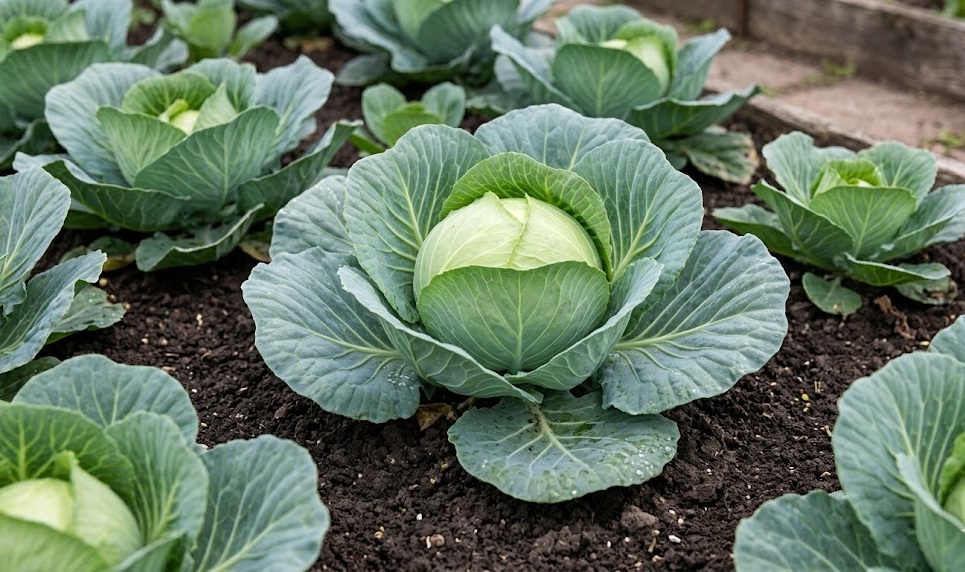

The light requirements of head cabbage are a fundamental aspect of its growth that you must carefully manage to ensure a healthy and productive crop. Sunlight provides the energy needed for photosynthesis, which is the process the plant uses to build its heavy leaves and dense central head. Without sufficient light, cabbage plants will become weak, elongated, and fail to form the compact structure that is desired by professional growers. Understanding how to optimize light exposure is key to maximizing both the quality and the quantity of your harvest.
Full sun for maximum growth
Cabbage is a sun-loving vegetable that performs best when it receives at least six to eight hours of direct sunlight every single day. You should choose a planting site that is free from the shade of large trees, buildings, or other tall garden structures that might block the sun. Maximum light exposure ensures that the plant has enough energy to maintain a rapid growth rate and produce a heavy head. Professional growers prioritize the sunniest spots in their gardens specifically for these high-energy brassica crops.
In regions with shorter growing seasons, the intensity and duration of sunlight become even more critical for the success of the cabbage. You will notice that plants grown in full sun are much more compact and have thicker, more resilient leaves than those grown in partial shade. This structural strength is important for resisting wind damage and supporting the weight of the maturing head as it fills out. An expert gardener understands that light is a primary ingredient in the “recipe” for a successful and healthy vegetable crop.
The orientation of your planting rows can also affect how much light each individual cabbage plant receives throughout the day. You should consider running your rows in a north-south direction to ensure that the sun passes over all the plants evenly from morning to evening. This prevents the plants at one end of the row from shading out their neighbors and creates a more uniform growing environment. Professional planning of the garden layout is a simple but effective way to optimize the use of natural light resources.
Cloudy or overcast weather for prolonged periods can slow down the development of your cabbage and may lead to a delayed harvest. While you cannot control the weather, you can ensure that your plants are not facing any additional light competition from weeds or overcrowded conditions. Keeping the field clean and properly spaced allows the cabbage to capture every available photon of light during those dim and grey days. A professional is always looking for ways to maximize the efficiency of the environment for the benefit of their plants.
More articles on this topic
Managing light in high temperatures
While cabbage needs plenty of light, the intense sun of mid-summer can sometimes bring with it heat that is detrimental to the plant’s health. You should monitor your crop for signs of heat stress, such as wilting or the development of pale, scorched patches on the upper leaves. In very hot climates, providing some light shade during the hottest part of the afternoon can actually be beneficial for the cabbage. This professional balance ensures that the plant gets the light it needs without the negative side effects of excessive heat.
Using shade cloths with a low percentage of light blockage is a professional technique for managing this delicate balance between light and heat. You can install these over the rows to filter the intensity of the sun while still allowing enough light through for continued photosynthesis. This intervention can prevent the cabbage heads from bolting or becoming bitter in flavor due to the stress of the high summer temperatures. Expert management involves being responsive to the changing conditions and protecting the crop when the environment becomes too harsh.
The color of your cabbage variety can also influence how it interacts with and responds to the intensity of the sunlight. You might find that red and purple varieties are slightly more resistant to sunscald because the pigments in their leaves provide a natural layer of protection. Green varieties, especially those with thinner leaves, may require more careful monitoring during periods of extreme solar radiation in the garden. Understanding the specific needs of the variety you are growing allows you to provide the most appropriate level of care.
Reflective mulches are sometimes used in professional agriculture to increase the amount of light reaching the undersides of the leaves. You can use specialized light-colored or metallic films to bounce sunlight back up into the plant canopy, boosting the overall photosynthetic efficiency. This technique can be particularly useful in areas with lower light levels or for crops that are being grown at a high density. A professional approach to light management is about finding innovative ways to enhance the natural environment for the best possible results.
More articles on this topic
Light and seedling development
The light requirements of cabbage start the very moment the seeds germinate and the first green shoots appear above the soil. You must ensure that your seedlings receive bright, direct light immediately to prevent them from becoming “leggy” or weak in the stem. Leggy seedlings are difficult to transplant and often fail to thrive once they are moved into the more demanding outdoor environment. Professional indoor growers use high-intensity lights positioned very close to the plants to simulate the strength of the sun.
If you are starting your seeds on a windowsill, you should rotate the trays daily to ensure that the plants do not lean too far in one direction. You will see the seedlings naturally “stretching” toward the light source, which can lead to an uneven and unstable root and stem structure. Supplementing natural window light with artificial grow lights is a professional way to ensure that the young cabbage plants grow straight and strong. The quality of light during these first few weeks of life will dictate the future potential of the entire crop.
As the seedlings grow and develop their true leaves, their demand for light will continue to increase until they are ready for the garden. You should gradually increase the intensity of the light or the duration of the exposure as the plants mature in their starting trays. This prepares the cabbage for the full intensity of the outdoor sun and reduces the risk of light shock after the transplanting process is complete. Expert propagation is a careful dance of providing just the right amount of light at exactly the right time for the developing plants.
Finally, you should be aware that the photoperiod, or the length of the day, can influence the flowering and heading behavior of some cabbage varieties. You should choose varieties that are appropriate for your latitude and the specific season in which you are planting them in the garden. Some types are more sensitive to the changing day length and may bolt if they are planted at the wrong time of the year. A professional understanding of the relationship between light and plant biology is what allows you to produce high-quality cabbage consistently, season after season.