
The relationship between light and the growth of golden bamboo is a fundamental aspect of its biology that every gardener should understand. This species is famous for its striking yellow culms, but this iconic coloration is directly influenced by the quality and quantity of sunlight it receives. While it is a versatile plant that can adapt to various light conditions, achieving the best visual results and maintaining optimal health requires a strategic approach to placement. By managing light exposure effectively, you can ensure your bamboo remains a vibrant and thriving centerpiece of your outdoor landscape.
Sunlight and culm coloration
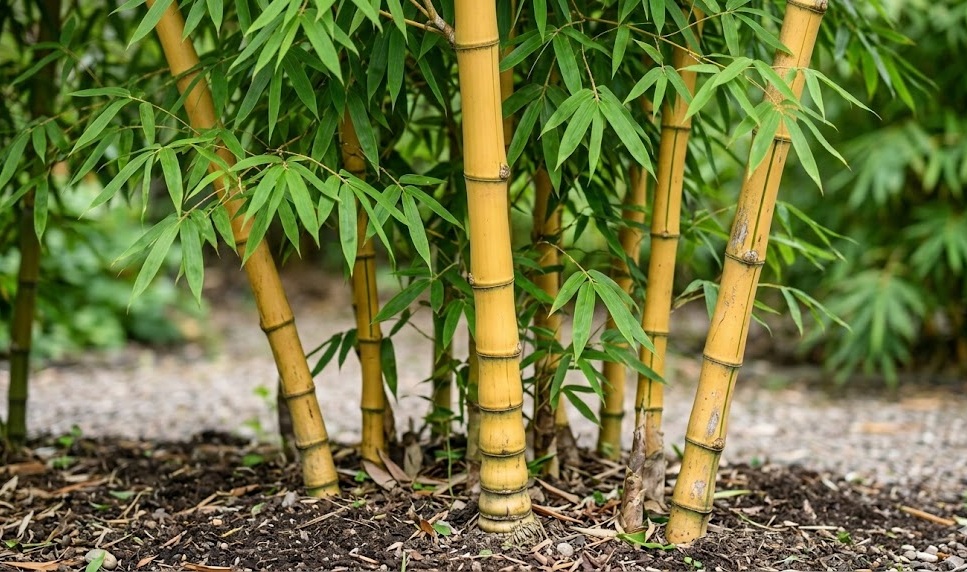
The most distinctive feature of this bamboo is the transformation of its culms from a standard green to a beautiful, warm golden hue as they mature. This color change is largely triggered by exposure to direct sunlight, which acts as a catalyst for the chemical changes within the plant’s tissues. Culms that grow in deep shade often remain green or a pale, washed-out yellow, lacking the intensity that makes this species so desirable. For the brightest and most consistent golden color, you should aim for a location that receives at least six to eight hours of direct sun each day.
However, the intensity of the light is just as important as the duration, especially in regions with very hot summers. While golden bamboo loves the sun, extreme afternoon heat combined with intense radiation can sometimes cause the leaves to scorch or the culms to become stressed. In these warmer climates, providing some dappled shade during the hottest part of the afternoon can help the plant stay hydrated and healthy. This balance ensures that the culms get enough light to turn gold without the foliage suffering from excessive UV exposure or heat stress.
The age of the culms also plays a role in how they respond to the available light in their environment. Young shoots usually emerge as a vibrant green and only begin to turn yellow after their first or second year of growth. You may notice that the side of the culm facing the sun turns gold much faster than the side that stays in the shadow. This can create a beautiful multidimensional effect within a grove, with different stems showing varying shades of green, lime, and bright gold depending on their position and age.
In urban or small garden settings, reflecting light can also be a useful tool for enhancing the color of your bamboo. Placing the plant near a light-colored wall or using reflective mulch can increase the amount of ambient light that reaches the lower parts of the culms. This technique is particularly effective for plants that might otherwise be shaded by buildings or other tall structures for part of the day. By maximizing the available light, you help the bamboo reach its full aesthetic potential even in less-than-ideal growing spaces.
More articles on this topic
Managing shade and density
While golden bamboo is sun-loving, it is remarkably tolerant of partial shade and can still grow vigorously in less luminous conditions. In a shaded environment, the plant may grow slightly taller as it stretches toward the available light, and the distance between the nodes on the culms might increase. The foliage will often appear a deeper, darker green in the shade, providing a different but still attractive look to the garden. If your garden doesn’t have a full-sun spot, you can still enjoy this species, though you should expect a more subtle golden color.
The density of the bamboo grove itself can create its own internal shade, which affects the health and color of the inner culms. As the grove becomes thicker over time, the stems in the center may receive very little light and can become weak or lose their lower leaves. To prevent this, regular thinning of the grove is recommended to allow light to penetrate deep into the heart of the plant. Removing older, less attractive culms not only improves the overall appearance but also ensures that every part of the bamboo gets the light it needs to thrive.
The movement of light throughout the seasons is another factor to consider when managing your bamboo’s exposure. A spot that is in full sun during the summer might be in complete shade during the winter when the sun is lower in the sky and shadows are longer. While the bamboo is less active in the winter, the change in light can still affect the temperature of the plant and its water needs. Observing these seasonal shifts will help you understand the long-term light dynamics of your chosen planting site and how they impact the plant’s growth cycles.
Competition for light from neighboring trees and shrubs is a common challenge in established gardens. As nearby plants grow and expand their canopies, they may begin to cast more shade on your bamboo than you originally intended. Periodic pruning of surrounding vegetation can help maintain the desired light levels for your golden bamboo and prevent it from being overshadowed. Keeping a clear space around the bamboo ensures it remains the focal point and receives the energy it needs from the sun to produce those iconic golden stems.
More articles on this topic
Practical tips for light optimization
When first planting your golden bamboo, take the time to observe the path of the sun across your yard at different times of the day. This simple step will help you identify the “sweet spots” where the light is most consistent and beneficial for the plant’s development. Remember that morning sun is generally gentler and less drying than afternoon sun, making it ideal for many ornamental plants. If possible, choose a site that gets plenty of morning and midday sun but offers some relief from the harshest late-afternoon rays.
If you find that your bamboo is not turning as gold as you hoped, you can try stripping the lower leaves to expose more of the culm surface to the light. This not only highlights the color but also allows more light to reach the ground level, which can stimulate the growth of new shoots. This practice, often called “legging up,” is a standard technique in professional bamboo management to enhance the architectural beauty of the plant. It is a simple and effective way to make the most of the light you have available in your garden.
For those growing golden bamboo in containers, the ability to move the plant is a major advantage for light management. You can shift the pots throughout the year to follow the sun or to provide protection from intense heat when necessary. This flexibility allows you to experiment with different locations until you find the perfect balance for your specific environment. Container-grown bamboo often needs more frequent monitoring, as the smaller volume of soil can dry out quickly when placed in full, direct sun for long periods.
Ultimately, light is the primary source of energy that fuels the impressive growth and vibrant colors of the golden bamboo. By paying attention to its needs and making small adjustments to its environment, you can enjoy a plant that is both healthy and visually stunning. Whether you are aiming for a bright golden screen or a more subtle green backdrop, understanding light requirements is the key to success. Your bamboo will reward your efforts with its unique charm and the peaceful rustling of its sun-drenched leaves.