
Providing the correct quality and intensity of light is perhaps the most significant factor in determining the success of a gloxinia grower. These plants have a very specific “sweet spot” when it comes to illumination, requiring enough energy to produce their massive flowers but not so much that their delicate leaves are damaged. A professional understanding of light management allows for a compact growth habit and a maximum number of flower buds. Mastering this element of care ensures that the plant looks its best from every angle.
Finding the optimal light intensity
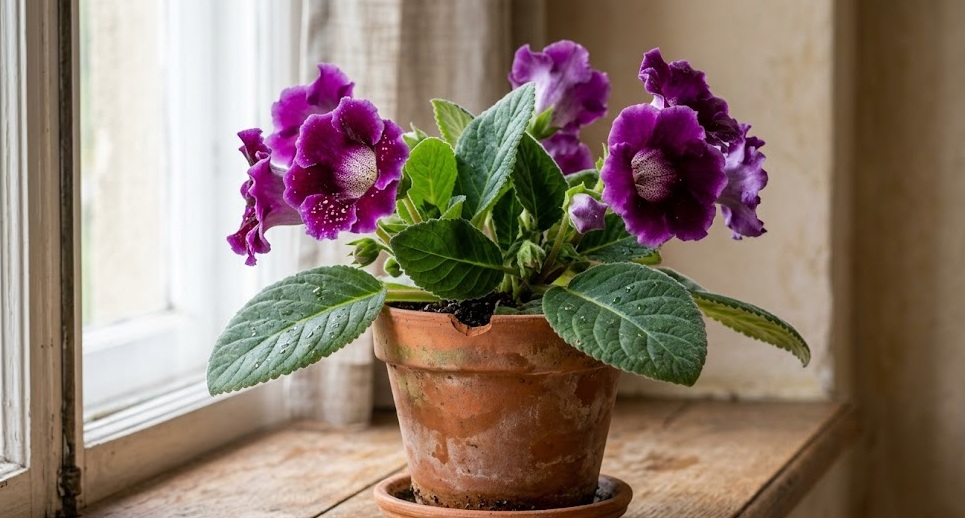
In their native tropical forest environment, these plants grow on the forest floor where they receive bright but filtered sunlight. To replicate this at home, a professional grower usually chooses a north-facing window or a location near an east-facing window with a sheer curtain. The goal is to provide “bright, indirect light,” which means the plant should be in a well-lit room but never touched by the direct rays of the sun. This level of light provides the energy needed for photosynthesis without the risk of overheating the leaf tissue.
If the light is too dim, the plant will start to “stretch” toward the source, resulting in long, weak stems and a leggy appearance. This process, known as etiolation, significantly detracts from the plant’s natural beauty and can lead to stems that are unable to support the weight of the flowers. A compact, rosette-like growth habit is the primary indicator that the light intensity is correct. Consistent monitoring of the plant’s shape is the best way to judge the adequacy of the light.
On the other hand, direct sunlight can cause immediate and permanent damage to the velvety leaves of the plant. The fine hairs on the surface of the foliage can actually act like tiny magnifying glasses, focusing the sun’s energy and causing scorched, brown patches. Once a leaf is burnt, it cannot recover its original appearance, which can ruin the visual appeal of the specimen for the rest of the season. Protection from the midday sun is a non-negotiable rule for any serious gardener.
Artificial lighting can be a highly effective tool for those who do not have the perfect natural light conditions in their home. Professional LED grow lights or fluorescent tubes can provide a consistent and controllable source of energy throughout the day. The lights should be positioned about 30 centimeters above the top of the plant and kept on for 12 to 14 hours a day. This precision allows for year-round growth and perfectly timed flowering for competitions or special events.
More articles on this topic
Seasonal light adjustments
As the seasons change, the intensity and duration of natural light fluctuate, requiring the grower to make strategic adjustments to the plant’s location. During the winter months, the light is naturally weaker, and the plant may need to be moved closer to a window to receive enough energy. Even though the plant is entering dormancy, the initial transition period still requires careful light management to ensure the tuber stores enough energy. A professional is always aware of the changing path of the sun through the sky.
In the height of summer, the sun is much stronger and higher in the sky, which can dramatically increase the light levels inside a room. A spot that was perfect in March might become dangerously bright and hot in July. Using blinds or moving the plant a few feet back from the window can provide the necessary protection during the most intense hours of the day. This proactive management prevents heat stress and keeps the foliage in pristine condition.
The duration of light, or photoperiod, also plays a role in triggering the flowering response in many tropical plants. While these plants are not strictly photoperiodic, they do respond well to the longer days of spring and summer. Providing a consistent light schedule helps the plant maintain a steady metabolic rate and produce more uniform growth. Artificial lighting can be used to extend the day length in early spring to give the plant a head start on the season.
During the dormant period, the light requirements drop to almost zero as the plant’s metabolic activity slows down. In fact, keeping the dormant tuber in a dark location is the best way to ensure it remains at rest until spring. This total darkness prevents any premature sprouting and allows the plant to fully recover its energy reserves. The successful management of light throughout all four seasons is what allows for a truly professional results.
More articles on this topic
Identifying and correcting light issues
A professional gardener must be able to read the subtle signals that indicate the plant is unhappy with its light levels. If the leaves start to turn a pale, yellowish-green and the plant stops producing new growth, it is often a sign of insufficient light. Moving the plant to a brighter location will usually result in a visible improvement within a week or two. It is better to make small, incremental changes rather than moving the plant to a drastically different environment.
Conversely, if the leaves appear unusually dark green and the plant is growing very slowly, it might be receiving slightly too much light, causing it to protect itself. If the leaf edges start to curl downward, it is another common sign of light-related stress or excessive heat. Correcting the light level immediately will allow the plant to relax and resume its normal growth pattern. Understanding these visual cues is the most important part of long-term care.
Rotating the plant slightly every week is a simple but effective technique to ensure that all sides of the foliage receive an equal amount of light. This prevents the plant from leaning toward the light source and maintains a perfectly symmetrical shape. A well-balanced plant is much more attractive and is less likely to tip over as the flowers grow larger. This attention to detail is what distinguishes a professional grower from a casual enthusiast.
Finally, always keep the windows and the leaves of the plant clean to ensure maximum light penetration. Dust and grime can block a surprising amount of energy, forcing the plant to work harder for the same results. Gently wiping the leaves with a damp cloth once a month keeps the “solar panels” of the plant working at peak efficiency. Cleanliness and light management go hand in hand in the pursuit of horticultural excellence.