
Direct sunlight and intensity
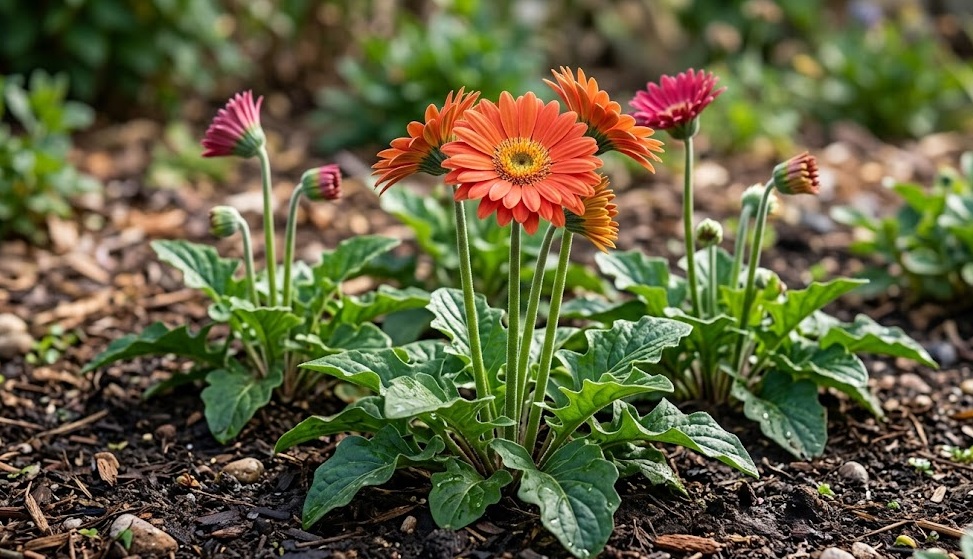
Providing the correct amount of light is the single most important factor in determining the number and quality of flowers produced. These plants are sun-lovers that require at least six to eight hours of bright light every day to thrive. In their native habitats, they receive intense solar radiation, which fuels their rapid growth and continuous blooming cycle. Without enough light, the plants will become leggy, the foliage will turn a pale green, and flowering will cease entirely.
In more northern climates, the morning sun is particularly beneficial as it is bright but not yet accompanied by the extreme heat of the afternoon. This early light helps the plant dry off any morning dew, which reduces the risk of fungal infections on the leaves. Placing your plants in an east-facing location provides this ideal start to the day. If the only available spot is west-facing, you may need to provide some light shade during the peak of the afternoon.
The intensity of the light also affects the color and thickness of the petals, with higher light levels producing more vibrant hues. Plants grown in low-light conditions often have “washed out” colors and stems that are too weak to hold the flower heads upright. Professional growers often measure light levels in foot-candles or lux to ensure their plants are receiving the optimal amount of energy. For the home gardener, simply observing the plant’s response to its location is usually sufficient.
It is important to remember that light requirements can change depending on the age and health of the plant. Young seedlings and newly divided plants need bright but diffused light to avoid being scorched while they are still fragile. Once the plant has established a robust root system and a thick canopy of leaves, it can handle much more direct intensity. Always transition plants slowly when moving them from a lower-light environment to a brighter one to avoid shock.
Managing shade and heat stress
While these plants love the sun, there is a fine line between providing enough light and exposing them to excessive heat stress. In regions with very high summer temperatures, the midday sun can be too intense, leading to scorched leaves and wilted flowers. Providing a light, filtered shade during the hottest part of the day, from noon until four o’clock, can prevent this damage. A piece of lattice or a strategically placed taller plant can provide the perfect amount of dappled light.
More articles on this topic
If you notice the leaves beginning to curl or develop brown, papery spots, it is a clear sign that the light intensity is too high. This “sunburn” is irreversible on the affected leaves, so prevention is key to maintaining a beautiful specimen. Moving the container just a few feet into a more protected area or adding a temporary shade cloth can solve the problem quickly. The plant will usually recover its vigor once the stress of the intense heat is removed.
Low light levels also present their own set of challenges, particularly the development of long, weak stems known as “stretching.” When a plant isn’t getting enough light, it uses its energy to grow taller in an attempt to reach a light source. This results in a plant that is structurally unsound and unlikely to produce any significant flowers. If your plant looks “stretched out,” it is a sure sign that it needs to be moved to a much brighter location.
In indoor settings, the light coming through a window is often much less intense than it appears to our eyes. Glass filters out a significant portion of the light spectrum that plants need for photosynthesis, so a “bright” windowsill may still be insufficient. Rotating the pot every few days ensures that all sides of the plant receive an equal amount of light and prevents it from leaning toward the window. This simple practice helps maintain a balanced, symmetrical shape as the plant grows.
Artificial lighting solutions
When natural light is limited, particularly during the winter months or in low-light homes, artificial lighting can be a lifesaver. Modern LED grow lights are highly efficient and can provide the specific wavelengths of light that plants need for both growth and flowering. These lights produce very little heat, allowing them to be placed closer to the foliage without the risk of burning the leaves. A combination of “cool” blue light and “warm” red light is often the most effective for total plant health.
More articles on this topic
Setting up a lighting system requires a bit of planning to ensure the plants get the right amount of “daylight” hours. Most flowering plants benefit from a 12 to 14-hour light cycle followed by a period of total darkness. Using an inexpensive plug-in timer is the easiest way to automate this process and ensure consistency for the plant. Consistency in the light cycle is just as important as the intensity for triggering the hormonal changes needed for blooming.
The distance between the light source and the top of the plant should be adjusted based on the power of the bulbs and the plant’s response. If the leaves start to turn a dark, purplish color, the light may be too close; if the plant is stretching, the light needs to be moved nearer. High-quality grow lights usually come with recommendations for the ideal hanging height for different types of plants. Experimenting with the setup allows you to find the “sweet spot” that produces the best results for your specific environment.
For those with large collections, dedicated plant shelves with integrated lighting can create a beautiful and functional indoor garden year-round. This allows you to enjoy the vibrant colors of these daisies even when it is dark and cold outside. Artificial lighting also makes it much easier to start seeds early in the year, giving you a head start on the growing season. While nothing quite beats the power of the sun, modern technology has made it possible to grow these light-hungry plants almost anywhere.