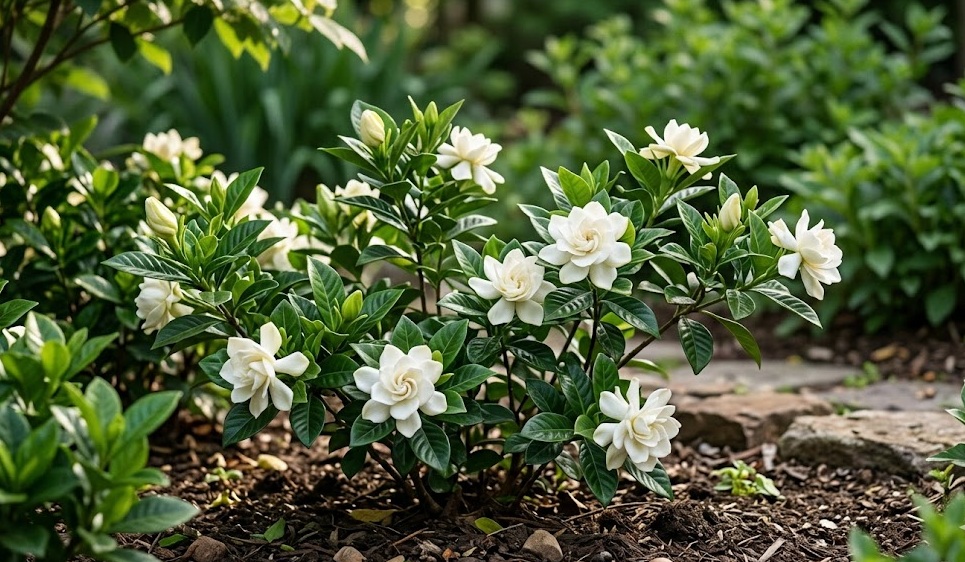

Finding the perfect light balance for a gardenia is one of the most critical factors in determining whether the plant will simply survive or truly flourish with an abundance of blooms. These plants have a complex relationship with the sun, requiring high energy levels for photosynthesis while remaining vulnerable to the intense heat and UV rays of mid-day exposure. In their native habitats, they often grow as understory plants or at the edge of forests, where they receive bright but filtered illumination. Mastering this delicate balance in your own garden or home requires a combination of careful placement and seasonal observation.
Balancing direct and indirect light
Gardenias generally perform best when they receive about six to eight hours of bright light each day to support their metabolic needs. Morning sun is particularly beneficial because it provides high-quality light while the air is still cool, allowing the plant to charge its systems for the day ahead. However, the harsh, direct sun of the afternoon can quickly lead to leaf scorch, especially in regions with high temperatures and low humidity. Providing dappled shade or using a translucent curtain for indoor plants can help soften the intensity of the light during these peak hours.
The quality of the light is just as important as the duration, as gardenias need a full spectrum of wavelengths to produce their deep green chlorophyll and complex floral structures. If a plant is kept in light that is too dim, it will respond by producing long, weak stems and thin, pale leaves as it tries to stretch toward a better source of energy. Furthermore, a lack of sufficient light is one of the primary reasons why gardenias fail to produce flower buds or why those buds drop off before they can open. You should aim for a location that feels “bright and airy” without ever being harsh or oppressive.
For indoor specimens, placement near an east-facing window is often the most successful strategy, as it captures that gentle morning light while being protected later in the day. If you only have south or west-facing windows, you may need to place the plant several feet back from the glass to avoid the most intense heat and radiation. You can also monitor the temperature of the leaves themselves; if they feel hot to the touch, the plant is receiving too much direct radiation and needs more protection. Finding the right distance from the window is a trial-and-error process that pays off in a healthier plant.
In outdoor settings, the movement of the sun throughout the year means that a perfect spot in the spring might become too sunny in the summer or too shaded in the autumn. You should observe how the shadows fall in your garden during different parts of the day and choose a location that offers consistent light levels across the seasons. Using the natural canopy of a larger tree or the shadow cast by a garden structure can provide the perfect filtered light environment. This dynamic approach to light management ensures that the plant is never under-energized or over-stressed by the changing path of the sun.
More articles on this topic
Seasonal shifts in light availability
As the seasons change, the angle and intensity of the sun shift significantly, requiring you to adjust your gardenia’s placement or protection accordingly. During the winter months, the sun is much lower in the sky and its rays are less intense, meaning that plants can often handle more direct exposure than they would in the summer. For indoor plants, this might mean moving them closer to the window or into a room that receives more light during the shorter days. Maximizing light intake during the winter helps the plant maintain its health during its period of slower growth and lower metabolism.
In the spring, the rapidly increasing light levels act as a signal for the gardenia to begin its most active growth phase and start producing flower buds. This is a critical time to ensure the plant is not being shaded out by other garden plants that are also leafing out and expanding their reach. You should perform any necessary pruning of nearby trees or shrubs to maintain the bright, filtered light that the gardenia needs for a successful flowering season. A sudden increase in light can be stressful, so any changes to the plant’s environment should be made gradually to allow the tissue to acclimate.
The peak of summer brings the greatest challenge in light management, as the intensity of the sun can reach levels that are damaging even for sun-loving plants. If you notice the upper leaves of your gardenia turning a yellowish-bronze color, it is a clear sign of light stress and heat overload. Providing extra shade during the hottest part of the day, perhaps with a temporary shade cloth, can help protect the plant until the intensity of the season passes. High humidity also helps the plant cope with bright light, as it reduces the rate of moisture loss from the leaves through transpiration.
Autumn is a time of transition where you should begin to prepare the plant for the lower light levels of the coming winter. As the deciduous trees in your garden lose their leaves, your gardenia may suddenly find itself in more direct sun than it was accustomed to during the summer. This is generally not a problem as the sun’s intensity is also decreasing, but you should still monitor for any signs of late-season leaf scorch. Understanding these seasonal rhythms allows you to be a proactive gardener, anticipating the plant’s needs before it shows signs of distress.
More articles on this topic
Identifying signs of improper lighting
A gardenia that is receiving too little light will show distinct physical symptoms that are easy to recognize once you know what to look for. The most common sign is “legginess,” where the stems grow unusually long with a lot of space between the sets of leaves. The leaves themselves may become much larger than normal and turn a darker, duller green as the plant increases its surface area to catch more of the limited light available. Most importantly, a light-starved gardenia will rarely produce flowers, and any buds that do appear are likely to turn brown and fall off.
On the opposite end of the spectrum, excessive light exposure will manifest as a bleached or “faded” look to the foliage, often starting with the leaves most directly exposed to the sun. This is often accompanied by brown, crispy spots on the leaf surface where the tissue has been physically burned by the UV radiation. In severe cases, the entire plant may take on a stunted and stressed appearance, with new leaves being much smaller and harder than they should be. Moving the plant to a more sheltered location or providing artificial shade is the only way to stop this damage from progressing.
Light fluctuations can also be a major cause of bud drop, which is one of the most frustrating problems for any gardenia owner. These plants are highly sensitive to changes in their environment, and a sudden shift in light intensity—such as moving the plant to a new room—can trigger a stress response. The plant may decide that it no longer has the resources to support its energy-intensive flowers and will shed its buds to prioritize its own survival. Consistency is the key to seeing those beautiful white flowers reach full maturity and deliver their signature fragrance.
Monitoring the growth habits of your gardenia over a full year will give you the best insight into its specific light preferences in your unique environment. You might find that your particular variety is more sun-tolerant than the books suggest, or that your home’s windows provide more light than you originally thought. By paying close attention to the color, size, and health of the leaves, you can fine-tune the plant’s placement until it finds its “perfect” spot. This attentive approach to light management is what separates the average gardener from the true gardenia expert.