
The relationship between light and the physiological development of garden hyssop is a fundamental aspect of its successful cultivation. As a plant that evolved in the sun-drenched landscapes of the Mediterranean, it has a high threshold for solar radiation and relies on intense light for its metabolic health. Understanding how to manage this light exposure is key to producing a crop that is not only visually stunning but also rich in essential oils. A professional grower recognizes that light is the primary fuel for the plant’s growth and its ability to defend itself against environmental stresses.
In the agricultural context, “full sun” is usually defined as a minimum of six to eight hours of direct, unfiltered sunlight per day. For hyssop, more is almost always better, as the plant uses this energy to synthesize the complex aromatic compounds found in its leaves. Without sufficient light, the plant will become “etiolated,” meaning its stems will grow long, thin, and weak as it stretches toward the nearest light source. This leads to a floppy growth habit that is both unattractive and prone to structural failure during wind or rain.
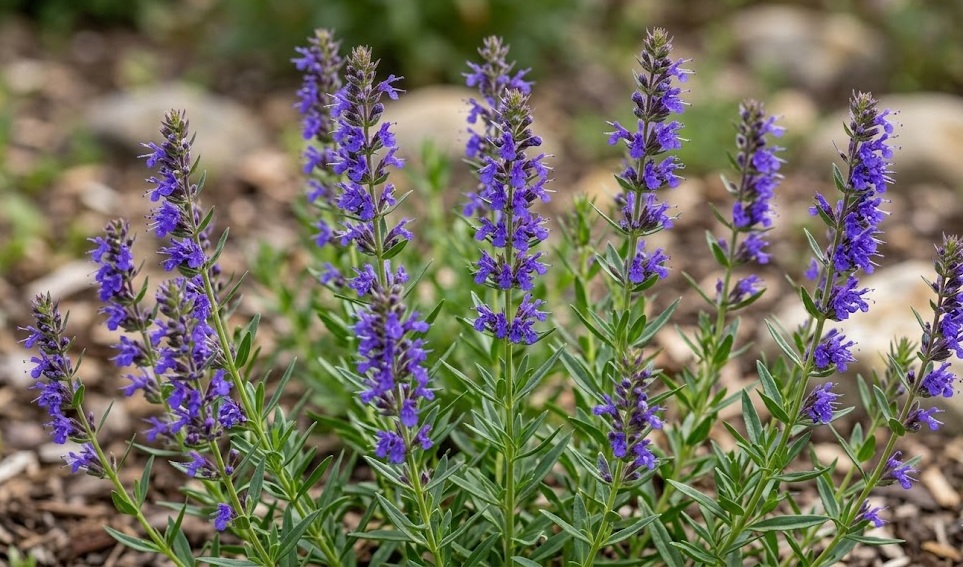
Light also plays a critical role in the timing and abundance of the flowering cycle, which is when the plant is at its most beautiful and ecologically valuable. The intensity of the sun triggers the production of floral buds and ensures that the blossoms have the vibrant blue or purple hues characteristic of the species. In shaded conditions, the flowering period may be significantly delayed or the number of blooms may be greatly reduced. For those growing hyssop for its aesthetic impact or for honey production, maximizing light exposure is an absolute necessity.
Managing light in the garden also involves considering the surrounding landscape and how it changes throughout the day and the seasons. Shadows from buildings, trees, or larger shrubs can migrate across the herb bed, potentially depriving the hyssop of critical afternoon sun. A professional site assessment involves observing these shadow patterns to ensure that the hyssop is placed in the most advantageous position. Correct placement from the start reduces the need for future interventions and allows the plant to reach its full genetic potential.
Full sun vs. partial shade
While hyssop is a sun-loving species, it can occasionally tolerate a small amount of partial shade, particularly in regions with extremely high summer temperatures. In these desert-like climates, a bit of light shade during the hottest part of the afternoon can actually prevent foliage scorch and reduce water stress. However, this is the exception rather than the rule, and the shade should be “dappled” or light rather than deep or consistent. Even in hot areas, the plant still needs a significant amount of direct light during the morning and early afternoon to thrive.
More articles on this topic
In more northern or temperate climates, any amount of shade can lead to a noticeable decline in the health and productivity of the herb. The lack of energy results in fewer essential oils, making the herb less potent for culinary or medicinal use. Shaded plants also take much longer to dry out after a rain or heavy dew, which significantly increases the risk of foliar fungal diseases. For these reasons, professional horticulturists in cooler regions will almost always recommend the brightest, most exposed location available in the garden.
The color of the foliage is often a good indicator of whether a hyssop plant is receiving the correct amount of light for its needs. Under optimal light conditions, the leaves will be a deep, vibrant green and will feel firm and slightly waxy to the touch. If the light is too low, the leaves may turn a paler shade of green or even yellow as the plant struggles to produce enough chlorophyll. Conversely, if the light is too intense and combined with drought, the leaf tips may turn brown or the entire plant may take on a stunted, “fried” appearance.
When designing a garden with multiple layers, it is important to ensure that the hyssop is not eventually shaded out by its faster-growing neighbors. Regular pruning of nearby shrubs or trees may be necessary to maintain the “light window” that the hyssop requires. This long-term perspective on light management is what ensures a perennial herb garden remains productive for many years. Always prioritize the light needs of your sun-loving Mediterranean species to maintain the professional standards of your agricultural project.
Photosynthetic efficiency in herbs
Photosynthesis is the complex process by which hyssop converts light energy into chemical energy, and its efficiency is directly linked to environmental factors. The density of the leaf canopy and the orientation of the leaves can affect how much light is captured and utilized by the plant. Hyssop’s small, narrow leaves are an adaptation to high-light environments, as they reduce the surface area exposed to excessive heat while still allowing for efficient gas exchange. This balance allows the plant to maintain a high rate of photosynthesis even during the long, hot days of mid-summer.
More articles on this topic
The quality of the light, specifically the balance of blue and red wavelengths, influences different aspects of hyssop’s development. Blue light is particularly important for regulating the plant’s growth habit and ensuring that it remains compact and sturdy. Red light, on the other hand, is a major driver of flowering and seed production, signaling to the plant when it is time to shift its energy into reproduction. A garden that receives full-spectrum, natural sunlight provides the perfect balance of these wavelengths for all stages of the plant’s life.
During the height of summer, the plant may reach a “light saturation point” where increasing the intensity of the sun no longer increases the rate of photosynthesis. At this stage, the plant must focus on managing the excess energy and protecting its delicate cellular structures from oxidative damage. This is when the production of essential oils and other secondary metabolites increases, as many of these compounds serve as natural sunscreens for the plant. Thus, high light intensity is directly linked to the “quality” of the herb as perceived by humans.
Soil health and water availability also interact with light to determine the overall photosynthetic efficiency of the hyssop crop. A plant that is well-hydrated and has access to essential minerals like magnesium will be much better at processing light energy than a stressed plant. If the plant’s stomata close due to drought, the rate of photosynthesis will drop regardless of how much sun is available. A holistic approach to care ensures that all the necessary components are present to allow the plant to make the most of the light it receives.
Adjusting light exposure seasonally
As the seasons change, the angle and intensity of the sun shift, altering the light environment in the garden. In the spring and autumn, the sun is lower in the sky, which can create longer shadows and reduce the overall amount of energy reaching the herb bed. This is why it is so important to clear away any dead vegetation or debris that might be blocking the low-angled light from reaching the emerging shoots. Maximizing every available hour of sun during these transitional months helps the hyssop get a strong start and finish to the growing season.
Winter light is the weakest and most scarce, but for an overwintering hyssop, it is still an important factor in its survival. Even in a dormant state, the plant’s evergreen or semi-evergreen foliage can still perform a very low level of photosynthesis on sunny winter days. This “maintenance” energy helps the plant preserve its internal systems and prepare for the spring awakening. If the plant is covered with heavy snow or artificial protection for too long, it may emerge in the spring in a weakened state due to the lack of light.
For those using artificial lights to start hyssop seeds or overwinter plants indoors, it is crucial to mimic the natural cycles of the sun. Using a timer to provide fourteen to sixteen hours of light per day for seedlings will prevent them from becoming leggy and weak. The distance between the light source and the plants should be adjusted regularly to ensure the intensity remains high without causing heat damage. Modern LED grow lights are an excellent, energy-efficient choice for providing the specific spectrums of light that hyssop needs to flourish indoors.
Ultimately, the light requirements of hyssop are a reflection of its wild heritage and its role as a hardy, sun-loving perennial. By respecting these needs and making the necessary adjustments in the garden layout, the grower ensures the success of their horticultural efforts. A well-lit hyssop plant is a beacon of health, color, and fragrance that enhances any professional agricultural or gardening project. Paying close attention to the sun is perhaps the most important skill a gardener can develop for the care of Mediterranean herbs.