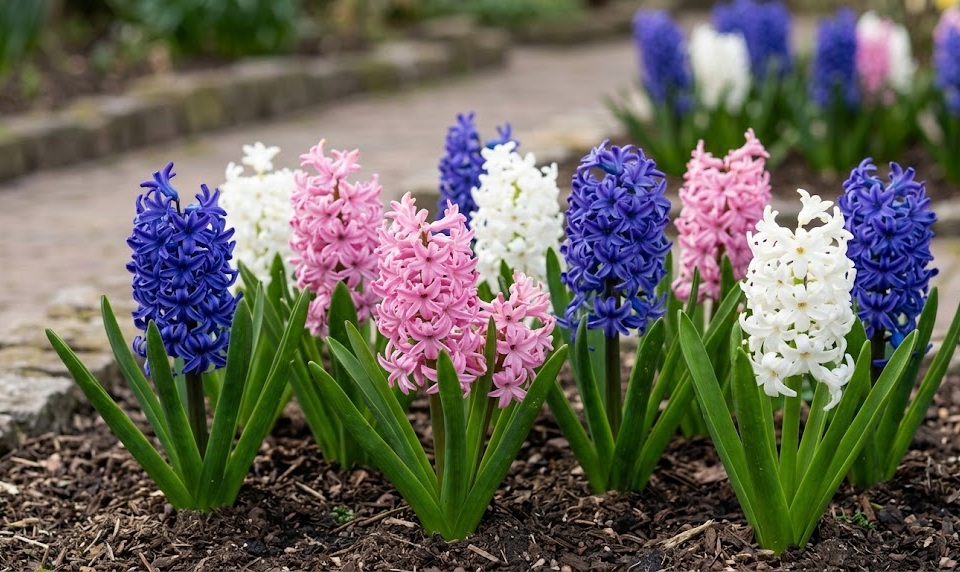

Light is the primary energy source for all plants, and for the garden hyacinth, it is the most critical factor in determining the quality of its bloom. These bulbs have a unique relationship with the sun, requiring high intensity during their short active growth period followed by a long phase of dormancy. A professional gardener must understand how to position these plants to maximize photosynthetic efficiency while protecting them from heat stress. The interaction between light, temperature, and moisture is complex, and mastering this balance is essential for achieving a world-class floral display. By analyzing the light patterns in your garden, you can select the perfect sites for your hyacinth collection.
The ideal light condition for most hyacinth varieties is full sun, which is defined as at least six to eight hours of direct sunlight per day. This intensity is necessary to produce the thick, sturdy stems and dense flower spikes that are the hallmark of a healthy plant. In lower light conditions, the stems tend to “stretch” toward the sun, a phenomenon known as etiolation, which makes them weak and prone to falling over. A professional-grade display requires the structural integrity that only full sun can provide during the early spring months.
While full sun is preferred, hyacinths are surprisingly adaptable and can perform well in “dappled” or filtered light under deciduous trees. Since these bulbs bloom before many trees have fully leafed out, they can take advantage of the bright spring light before the canopy becomes too dense. This natural timing allows you to plant them in areas that might be too shady for other sun-loving perennials later in the summer. Understanding these seasonal changes in light availability is a key part of professional garden design and plant placement.
In regions with very intense spring sunlight or high temperatures, providing a small amount of afternoon shade can actually be beneficial. The hot afternoon sun can cause the vibrant colors of the petals to fade prematurely and may lead to heat stress in the foliage. By positioning your hyacinths where they receive bright morning light but are shielded from the harshest rays after midday, you can extend the life of the flowers. This nuanced approach to light management is what distinguishes a professional horticulturalist from a casual gardener.
Managing light levels and plant response
You can observe the health of your hyacinths by looking at the color and orientation of their leaves in relation to the light source. Healthy, well-lit plants will have deep green, upright leaves that show no signs of stretching or leaning. If you notice the foliage is a pale yellow-green or is sagging toward one side, it is likely a sign that the light levels are insufficient. Adjusting the environment by pruning overhanging branches or moving container-grown plants can quickly resolve these issues.
More articles on this topic
The quality of the light is just as important as the quantity when it comes to the development of the flower pigments. Ultraviolet light plays a significant role in the synthesis of the anthocyanins that give hyacinths their brilliant blues, purples, and pinks. Plants grown in low-light environments or behind glass that filters out UV rays may produce flowers that are noticeably paler than their outdoor counterparts. For the most vibrant and professional results, direct exposure to natural sunlight is always the best option for your garden beds.
If you are growing hyacinths in containers, you have the advantage of being able to move them to match the changing light patterns of the season. Early in the spring, you can place the pots in the sunniest spots of your patio or balcony to jump-start their growth. As the season progresses and the temperatures rise, you can move them to cooler, slightly shaded areas to preserve the beauty of the blooms. This mobility allows for a level of precision in light management that is impossible with plants fixed in the ground.
Reflected light from nearby walls or fences can also contribute to the total energy budget of your plants, but it must be managed carefully. While it can help warm the soil and increase light intensity in a shady corner, it can also lead to localized “hot spots” that might scorch the foliage. Light-colored surfaces reflect more light and heat, while dark surfaces absorb it, creating subtle microclimates within your garden. A professional gardener takes all these environmental factors into account when deciding where to place their most valuable bulbs.
Light timing and seasonal transitions
The duration of daylight, known as the photoperiod, also influences how the hyacinth progresses through its lifecycle. As the days lengthen in the spring, the plant receives a biological signal to accelerate its growth and begin the flowering process. This internal clock is remarkably accurate and ensures that the plant blooms during the optimal window for its pollinators. By respecting this natural rhythm and providing the correct light environment, you support the plant’s inherent biological programming.
More articles on this topic
During the post-bloom period, the importance of light does not diminish, as this is when the leaves are hardest at work. Every hour of sunlight captured by the green foliage is converted into chemical energy that is stored deep within the bulb for next year. Shading the leaves at this stage is a common mistake that leads to smaller, weaker flowers in the following spring season. You must ensure the foliage remains in full sun for as long as it stays green to maximize the rejuvenation of the bulb.
When planning your garden layout, consider the “sun path” throughout the year to avoid placing bulbs in areas that will be cast into deep shade by buildings or fences. A site that looks sunny in the middle of winter might be completely shaded by a neighbor’s house by the time the hyacinths are ready to bloom in April. Using a sun-tracking app or simply observing the shadows at different times of the day can help you avoid these common planting pitfalls. Professionalism in gardening involves this kind of forward-thinking and spatial awareness.
Finally, remember that light is just one part of the environmental puzzle, and it must be balanced with temperature and moisture. High light levels increase the plant’s rate of transpiration, meaning you will need to water more frequently to keep up with the demand. Conversely, plants in lower light will use water more slowly and are more prone to rot if over-hydrated. By mastering the relationship between these factors, you can create the perfect conditions for your hyacinths to thrive and produce a truly spectacular professional display.