
Understanding the light requirements of endive lettuce is essential for managing its growth rate, flavor, and physiological development throughout the season. As a leafy green, endive relies heavily on solar energy to produce the sugars and structural components that define its quality. However, the intensity and duration of light must be carefully balanced to prevent the plant from experiencing stress or entering its reproductive phase too early. Professional growers use light management as a tool to manipulate the plant’s characteristics, ensuring a harvest that meets the highest culinary standards.
Optimal solar exposure and duration
In its ideal growing environment, endive lettuce performs best when it receives at least six to eight hours of direct sunlight each day. This level of exposure provides enough energy for the plant to develop a dense, compact head with thick, crunchy leaves. Without adequate light, endive tends to become “leggy,” with long, thin stems and sparse foliage that lacks the desired texture. In the cooler parts of the spring and fall, maximizing sun exposure helps keep the soil warm and encourages steady, healthy growth.
The quality of light is just as important as the quantity, with the morning sun often being the most beneficial for leafy greens. Morning light provides the energy needed to kickstart photosynthesis after the night while the temperatures are still relatively cool. As the day progresses and the sun becomes more intense, the risk of heat stress increases, which can negatively affect the leaves. For this reason, many professionals prefer a location that has full sun in the morning and perhaps a bit of dappled shade in the late afternoon.
During the shorter days of late autumn and early spring, light becomes the limiting factor for endive growth regardless of the temperature. In these shoulder seasons, every bit of available sunlight is precious, and plants should be positioned where they won’t be shaded by buildings or evergreen trees. You may notice that the plants grow much more slowly during these periods, which is a direct result of the reduced solar input. Patience is required, as the plants are essentially waiting for the light levels to increase before they can resume rapid development.
In high-latitude regions or during the winter, supplemental lighting can be used in greenhouses to maintain production levels. While not necessary for most home gardeners, this professional technique demonstrates how critical light duration is to the plant’s lifecycle. By extending the “day” with artificial lights, growers can keep the plants in a vegetative state and prevent the dormancy that naturally occurs in low-light conditions. Understanding these principles allows you to make the best decisions for your specific geographic location and seasonal timing.
More articles on this topic
Managing high-intensity light and heat
While endive needs sun to grow, excessive light intensity—especially when combined with high temperatures—can be detrimental to the crop. Intense midday sun can cause the leaves to lose moisture faster than the roots can replace it, leading to wilting and potential sunburn. Sunburn on endive appears as bleached or papery patches on the most exposed leaves, which ruins their marketability and flavor. Protecting the plants during the hottest part of the year is a key task for anyone aiming for a professional-quality harvest.
Shade cloth is a highly effective professional tool for managing light intensity during the peak of summer. These fabrics come in different densities, typically allowing between thirty and fifty percent of the sunlight to pass through while blocking the rest. By draped shade cloth over your endive rows, you can significantly lower the temperature of the foliage and the soil. This reduction in light stress helps prevent the plant from bolting and keeps the leaves tender and mild rather than tough and bitter.
Intercropping is a natural way to manage light by using taller plants to provide shade for the shorter endive. Planting endive on the north side of a row of trellised peas or tall tomatoes can provide a built-in light filter during the hottest hours. This traditional agricultural technique maximizes space and creates a beneficial microclimate for the cool-weather greens. It is an elegant solution that mimics the way plants grow in diverse natural ecosystems, reducing the need for artificial covers.
If your garden is in a particularly sun-drenched area, you might also consider using reflective mulches to manage light and heat. While some mulches are designed to increase light, others are used to keep the root zone cool by reflecting the sun’s rays away from the earth. Balancing the light needs of the leaves with the temperature needs of the roots is a delicate dance. By being observant of how your plants react to the sun throughout the day, you can make the necessary adjustments to keep them in their comfort zone.
More articles on this topic
The role of light in the blanching process
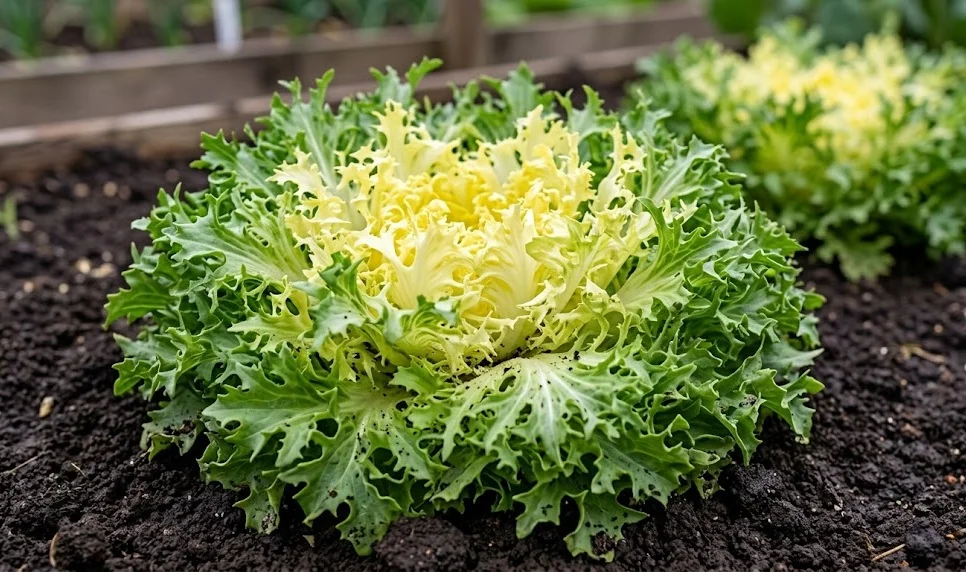
The final stage of endive production involves a deliberate and strategic manipulation of light known as blanching. By excluding light from the center of the plant, you stop the production of chlorophyll, which is the pigment responsible for the green color and much of the bitterness. This light deprivation changes the chemical composition of the inner leaves, making them sweeter, more tender, and creamy white. It is a perfect example of how light management can be used as a culinary tool to refine the final product.
To achieve a successful blanch, you must ensure that no stray light reaches the heart of the plant for at least two weeks. Even a small amount of light can cause the leaves to begin turning green again, which defeats the purpose of the technique. Whether you use ties, pots, or specialized covers, the goal is total light exclusion for that specific part of the plant. This process is a common practice in professional agriculture to produce the high-value “hearts” found in gourmet markets.
The timing of blanching in relation to the seasonal light is also important, as the process happens more quickly when the weather is warm. In the cooler days of fall, you may need to keep the plants covered for an extra week to achieve the same level of color transition. Monitoring the internal light-deprived leaves periodically will tell you exactly when the transformation is complete. It is a rewarding experience to peel back the dark green outer leaves and reveal the pale, glowing center that has been protected from the sun.
Understanding the relationship between light and flavor allows you to customize your harvest to your personal or market preferences. Some people prefer a lighter blanch for a bit more “bite,” while others want the most delicate leaves possible. By controlling the light, you are essentially acting as a sculptor, shaping the flavor and texture of the endive to your liking. This mastery of environmental factors is what separates a casual gardener from a truly professional horticulturalist.