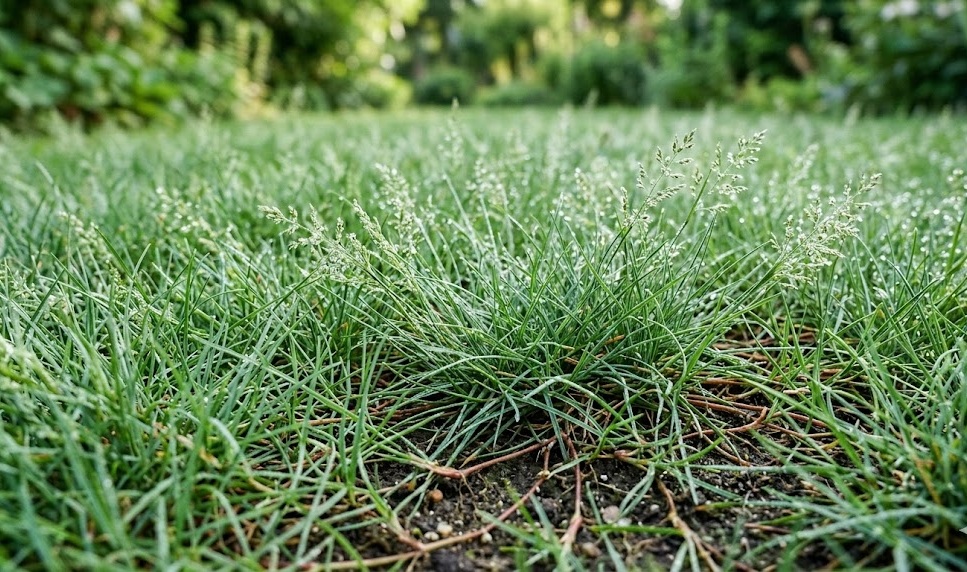

Light is the primary energy source for all plants, and for a high-performance species like creeping bentgrass, it is a critical limiting factor. This grass has evolved to thrive in open, sunny environments where it can maintain a high rate of photosynthesis to support its dense growth. Understanding the quality, intensity, and duration of light reaching your turf is essential for making informed maintenance decisions. Without adequate solar radiation, even the most perfect irrigation and fertilization programs will fail to produce a healthy lawn.
Optimal solar radiation for growth
Creeping bentgrass requires a significant amount of direct sunlight to maintain its characteristic density and vibrant color. Ideally, the turf should receive at least six to eight hours of full sun every day during the peak growing season. This light energy fuels the production of carbohydrates that are used for leaf growth, stolon expansion, and root development. Areas that receive less than the optimal amount of light will often become thin, weak, and more susceptible to disease.
The angle of the sun and the intensity of the light change throughout the day and across the seasons. Morning sun is particularly valuable because it helps dry the dew off the grass blades, reducing the risk of fungal infections. High-intensity afternoon sun provides the bulk of the energy for photosynthesis but can also lead to heat stress if moisture is limited. A professional manager must account for these daily cycles when planning irrigation and other maintenance tasks.
Photosynthetically Active Radiation (PAR) is the specific part of the light spectrum that plants use for energy. You can use a specialized PAR meter to measure exactly how much usable light is reaching different parts of your landscape. This data allows you to identify “microclimates” where the grass might be struggling due to low light levels. Making decisions based on actual light measurements is much more accurate than simply guessing based on visual observation.
In areas where light is the primary constraint, you must adjust your other maintenance practices to compensate. For example, grass in lower light conditions needs less nitrogen and less water because its metabolic rate is slower. Forcing growth with heavy fertilization in a shaded area will only lead to weak, succulent plants that die quickly. Adapting your strategy to match the available energy is a hallmark of an expert turfgrass professional.
More articles on this topic
Shade stress and plant response
When creeping bentgrass is grown in the shade, it undergoes several physiological changes that make it less durable. The leaves often become longer and thinner as the plant attempts to reach for more light, a process known as etiolation. This leads to a more open canopy that is less resistant to wear and allows for easier weed encroachment. The roots also tend to be much shallower in shaded areas, making the grass more vulnerable to drought and heat.
Shade also creates a more humid microenvironment that is highly favorable for many turfgrass pathogens. Without the drying effect of direct sunlight and the increased air movement found in open areas, the grass stays wet for longer periods. This significantly increases the pressure from diseases like powdery mildew, dollar spot, and brown patch. Managing shaded turf requires a much more vigilant approach to disease prevention and moisture control.
The competition for resources between the grass and nearby trees is another challenge in shaded environments. Trees not only block the light but also compete for water and nutrients with their extensive root systems. You may need to provide extra fertilization and more frequent irrigation to ensure the grass has what it needs to survive. Understanding this complex relationship is vital for maintaining a healthy lawn in a landscaped environment with many trees.
Long-term shade stress will eventually lead to a total decline of the bentgrass stand if the light levels are not improved. You will notice a gradual thinning of the grass, followed by the appearance of moss and algae in the bare spots. At this point, the grass is no longer able to produce enough energy to sustain itself and will eventually disappear. Recognizing the early signs of shade decline allows you to take corrective action before the damage becomes irreversible.
More articles on this topic
Light modification and landscape management
The most direct way to improve the health of shaded bentgrass is to increase the amount of light reaching the surface. This can often be achieved through professional tree pruning, such as thinning the canopy or removing lower branches. These actions not only let in more sunlight but also significantly improve air circulation across the turf. A well-managed tree canopy can coexist with a high-quality lawn if the light requirements are carefully balanced.
In some cases, the complete removal of a tree or the modification of a structure may be necessary to save a critical area of turf. You should evaluate the value of the grass versus the value of the shade-producing element to make the best decision for the overall landscape. Using sophisticated light-modeling software can help you predict exactly how a change in the environment will affect the light levels on the ground. This scientific approach ensures that your modifications will have the desired effect.
Selecting the most shade-tolerant cultivars of creeping bentgrass can also help in areas where light is limited. While no bentgrass is truly “shade-loving,” some varieties have been bred to perform better in lower light conditions. You should consult with seed experts to find the best match for your specific environment and performance expectations. Using a more resilient cultivar provides a better foundation for success in challenging locations.
Managing the “light budget” of your landscape is a continuous process that requires observation and adjustment. As trees grow and structures are added, the light patterns on your turf will change over time. You should perform regular light audits to ensure that your maintenance program remains aligned with the current environmental conditions. A professional who masters the role of light will always have the most beautiful and resilient creeping bentgrass.