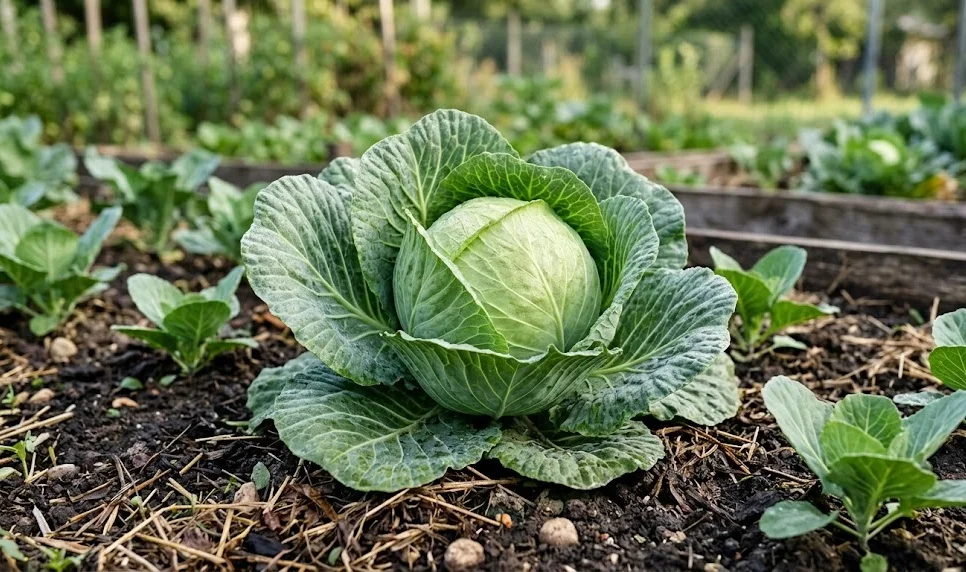

The relationship between cabbage and sunlight is one of the most fundamental aspects of its growth, as the plant relies on light energy to produce its dense and heavy heads. You should aim to provide your cabbage with at least six to eight hours of direct sunlight every day to ensure that it has enough power for rapid photosynthesis. While cabbage can tolerate some very light afternoon shade in hot climates, a lack of adequate light will invariably lead to loose heads and stunted overall development. A professional grower understands that light is the primary fuel for the plant’s metabolic engine and prioritizes site selection accordingly.
In the early stages of a cabbage’s life, the intensity and quality of light are just as important as the duration of exposure. If you are starting your seeds indoors, you must use high-quality grow lights that provide a full spectrum of colors to mimic the natural sun. You should place these lights very close to the tops of the seedlings to prevent them from stretching and becoming “leggy,” which is a sign of light starvation. This initial investment in proper light management creates a sturdy foundation for the plant, ensuring it can support its own weight once it is moved to the garden.
As the plant matures and its large leaves begin to overlap, the competition for light within the plant itself becomes a factor you must manage. You should ensure that the spacing between plants is sufficient so that the outer leaves of one cabbage do not shade the growing center of its neighbor. This uniform access to light ensures that all the plants in your bed develop at a similar rate and reach maturity at the same time. You will notice that plants on the edge of a bed often grow faster because they have less competition for the sun’s rays, a clear indication of the importance of light availability.
Monitoring the movement of shadows across your garden throughout the day is a professional habit that will help you identify the best spots for your cabbage. You should be aware that the angle of the sun changes significantly with the seasons, meaning a spot that is sunny in mid-summer might be in deep shade by the autumn. Planning your planting layout with these seasonal shifts in mind ensures that your cabbage receives the maximum possible light during the critical final weeks of its growth. This strategic use of the available light is what separates an expert gardener from one who simply plants where there is open space.
Managing light in extreme temperatures
While cabbage loves light, the intense heat that often accompanies direct summer sun can be a challenge that you must manage with care. During a heatwave, the combination of high light intensity and soaring temperatures can cause the plant to transpire faster than its roots can pull water from the ground. You might consider using a light-weight shade cloth that blocks about thirty percent of the sun’s intensity during the hottest part of the afternoon. This professional intervention lowers the leaf temperature and prevents the cabbage from bolting or developing a bitter flavor due to thermal stress.
More articles on this topic
It is a common misconception that more light is always better, but there is a point of diminishing returns where the plant’s internal systems can become overwhelmed by excessive UV radiation. You should look for signs of “sunscald,” which appears as bleached or papery patches on the most exposed parts of the outer leaves. If you see this occurring, it is a clear signal that the plant needs some relief from the direct intensity of the sun. Providing this balance between energy production and protection is a hallmark of an experienced grower who understands the physiological limits of their crops.
In the late autumn, as the light intensity naturally fades, you should do everything possible to maximize the exposure for your maturing cabbage. This might involve trimming back nearby overhanging branches or removing any temporary structures that are no longer needed for shade. You want every possible photon to reach the leaves during these shorter days to help the plant finish packing the internal head with energy. This proactive management of the changing light conditions ensures that your harvest remains productive even as the growing season comes to a close.
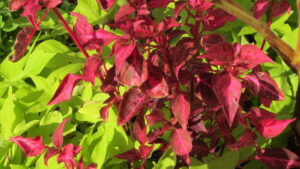
The color of the leaves can also give you a hint about whether the light levels are optimal for your specific cabbage variety. Most green varieties should have a vibrant, deep color, while red or purple types need intense light to develop their characteristic pigments fully. If your red cabbage looks pale or greenish, it is often a sign that it is not receiving enough direct sunlight to produce the protective anthocyanins that give it its color. Adjusting your care based on these visual cues is a key part of professional horticultural observation.
Optimizing light for indoor and greenhouse growth
For those growing cabbage in a greenhouse or starting them in a cold frame, managing the light levels requires a different set of professional skills. You must keep the glass or plastic surfaces of your structure clean, as even a thin layer of dust can significantly reduce the amount of light that reaches your plants. In the early spring, you may still need to supplement the natural light with artificial sources to ensure the seedlings do not become weak during cloudy spells. This integration of natural and artificial light is a sophisticated way to maintain a perfect growing environment year-round.
More articles on this topic
Reflective surfaces can be used to bounce extra light into the lower parts of the plant canopy where shadows often fall. You can use white plastic mulch or even specialized reflective panels to ensure that the lower leaves are also contributing to the plant’s overall energy production. This technique is particularly useful for maximizing the efficiency of small growing spaces where every bit of light counts toward the final yield. A professional grower looks for these creative ways to optimize the resources they have available in their specific environment.
Photoperiodism, or the plant’s response to the length of the day, also plays a role in when a cabbage decides to move from leaf production to flowering. While cabbage is less sensitive to this than some other crops, sudden changes in the light-dark cycle can still cause physiological stress. You should aim to provide a consistent schedule of light that matches the natural progression of the season as closely as possible. This stability helps the plant stay focused on producing a healthy, edible head rather than trying to reproduce prematurely.
Finally, remember that light and water are deeply connected in the plant’s internal systems, as light drives the transpiration that pulls water through the roots. You must ensure that your watering schedule is perfectly tuned to the light levels, providing more moisture on bright, sunny days and less when it is overcast. This holistic approach to environmental management is what leads to the most successful and professional results in any garden. By mastering the light requirements of your cabbage, you take a major step toward becoming a truly expert and productive grower.